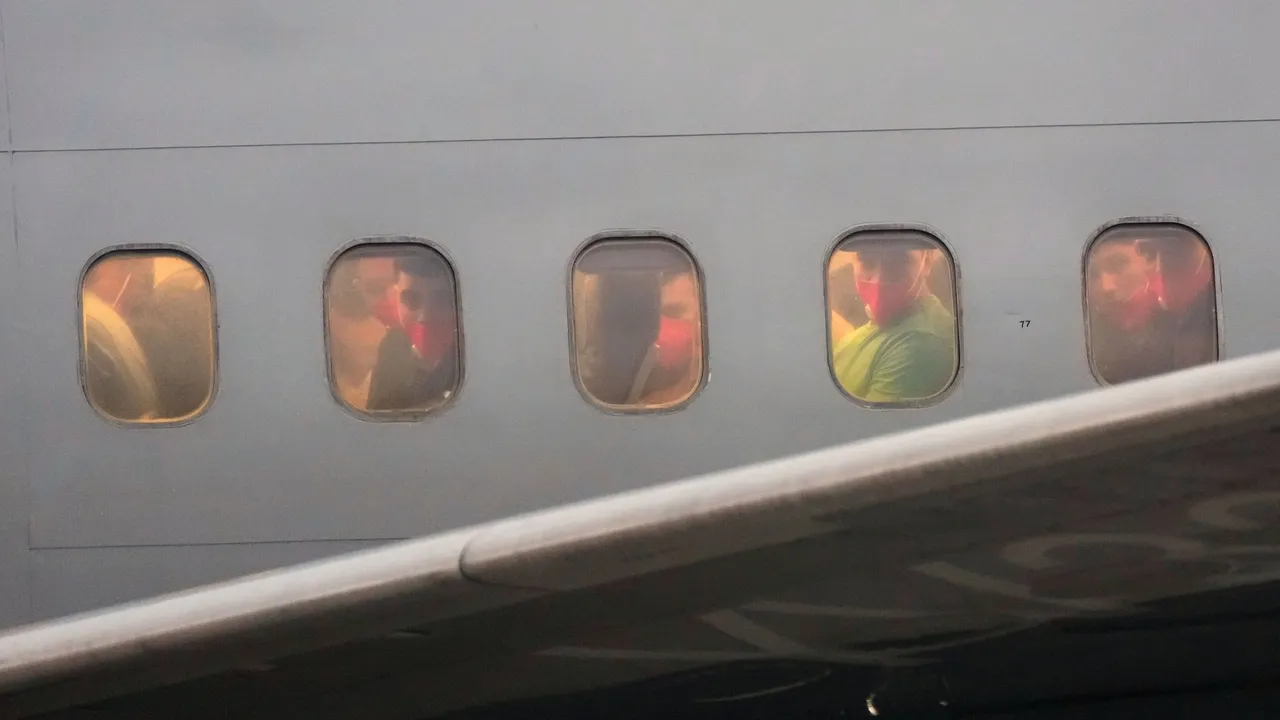
The Trump administration plans to deport a number of Iranians and other migrants to Central African Republic, two lawyers and an official briefed on the matter told Reuters.
The Iranians include two women, their lawyer, Emily Trostle, said.
Both the women applied for asylum in the US and had secured a form of protection known as withholding of removal, Trostle said.
The official briefed on the matter told Reuters the first flight to Central African Republic under the deal was expected to take about 20 people, also including Syrians and Afghans. The plane could leave as early as Thursday, the two lawyers said.
Iran strikes
The Trump administration has used third-country deportation deals to deport people it can't legally send home. Washington has defended the deals as lawful.
The US and Israel launched joint strikes on Iran in late February, kicking off a now three-month-old of war.
US President Donald Trump told reporters in April that he thought the Iranian people should rise up against the government in Iran if a ceasefire were declared, but understood that it was too dangerous for them to do so.
The deportees will be held in apartments in Central African Republic's capital Bangui and are not expected to be repatriated immediately, the briefed official said. Hundreds of migrants could ultimately be deported there under the deal, the official added.





IOM says not involved in CAR deal
The plan to deport Iranians was reported earlier on Thursday by The New York Times.
The US Department of Homeland Security said last week that all deportees would receive full due process.
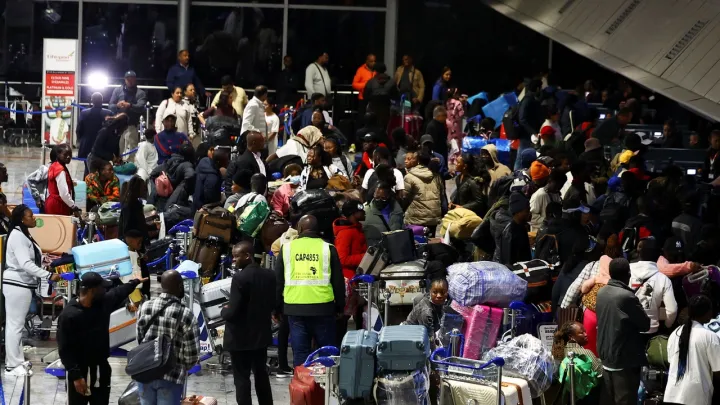
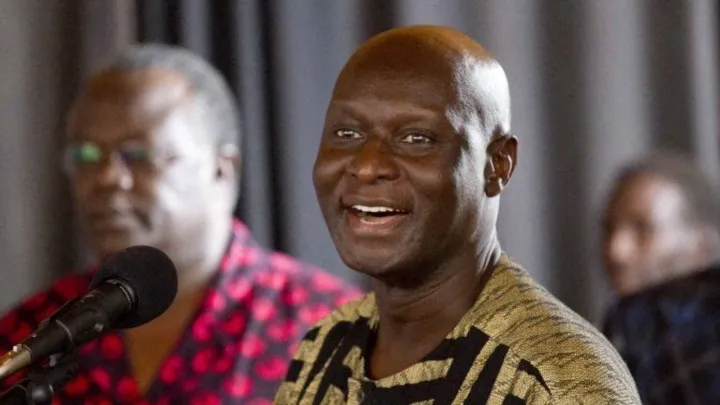
A spokesperson for the International Organization for Migration said the agency would "provide post-arrival humanitarian assistance" to the migrants sent to Bangui, at the request of the Central African government.
The spokesperson said the IOM was not involved in the removals and would provide assistance "on a strictly voluntary basis and respecting applicable international standards."
This year, the US has awarded $85 million to the IOM for operations in the Central African Republic, which has a population of 5.5 million.