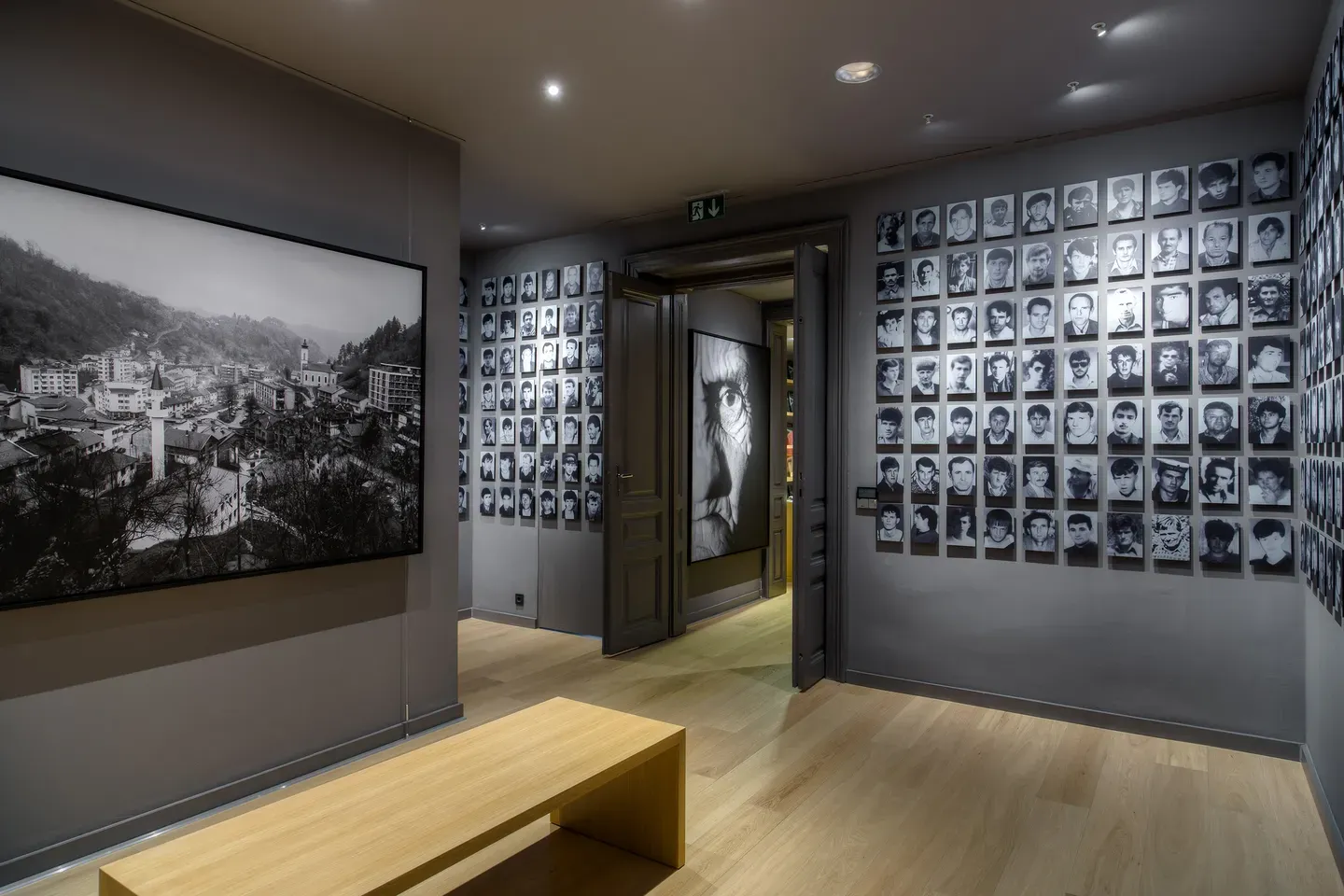
One year after opening its doors, the Türkiye-backed Srebrenica Genocide Museum has become one of the Srebrenica-Potocari Memorial Center’s most significant spaces for remembrance and education, preserving the memory of more than 8,000 Bosniak victims through authentic artefacts, survivor testimonies, and multimedia exhibits.
The museum is located inside the former battery factory in Potocari, where thousands of Bosniaks sought refuge after the fall of the UN-declared safe area in July 1995. It presents a chronological account of the genocide through victims’ personal belongings, archival documents, photographs, audiovisual testimonies, and immersive installations.
Opened to mark the 30th anniversary of the Srebrenica genocide, the museum is the result of years of collecting historical records and artefacts.
Its permanent exhibition traces the events leading up to the genocide, the fall of Srebrenica, mass executions, the search for the missing, and the decades-long struggle of families to recover and bury the remains of their loved ones with dignity.
Each year on July 11, Bosnia and Herzegovina commemorates the Srebrenica genocide with a collective funeral at the Potocari Memorial Center, where newly identified victims are laid to rest.
This year, the remains of 10 newly identified victims will be buried during ceremonies expected to draw thousands of visitors from Bosnia and Herzegovina and other countries.
In 2024, the UN General Assembly designated July 11 as the International Day of Reflection and Commemoration of the 1995 Genocide in Srebrenica, further strengthening international efforts to preserve the memory of the victims.
Artefacts that speak beyond words
Among the museum’s most striking exhibits is a collection of worn shoes that their owners repeatedly repaired during the war, offering visitors a powerful glimpse into everyday life under siege.
“Sometimes it is enough for people to see those shoes to understand part of the suffering endured by the people of Srebrenica. Details like these often speak louder than words,” Azir Osmanovic, curator of the Srebrenica Memorial Center, told Anadolu.
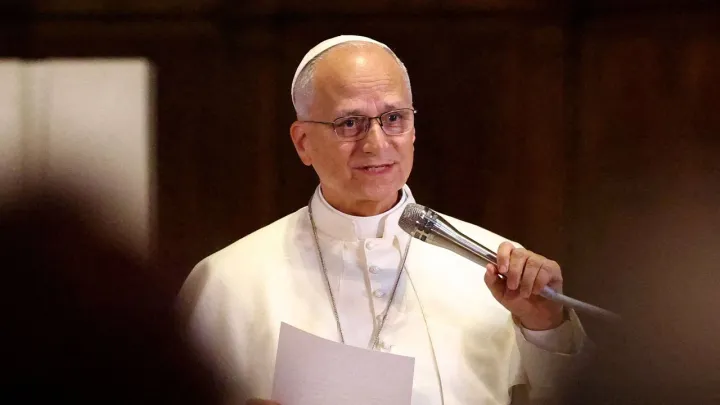




According to Osmanovic, establishing the museum marked one of the memorial center’s most important milestones.
“We spent years preparing the archival and museum collections. Visitors’ reactions show that the exhibition presents what happened here in a dignified and contemporary way. Above all, the museum serves an educational purpose,” he said.
Education about the Srebrenica genocide has become one of the centre’s main priorities in recent years. As part of that effort, the memorial complex is currently hosting its third International Summer School, bringing together 35 students from nearly 20 countries.
“We want people to leave Srebrenica with knowledge and a deeper understanding of what happened here. That is one of the centre’s most important missions,” Osmanovic said.
Hundreds of visitors pass through the complex every day, with the Srebrenica Genocide Museum forming an essential part of their visit.
Visitors leave with lasting impressions
Retired teacher Edin Topcic, who for years brought high school students to Srebrenica, believes the museum has significantly enriched the visitor experience.
“The last time I came here was three years ago with my students. Today, the progress is obvious. Everything has been done with great care and responsibility. The museum represents a major step forward for the entire memorial centre,” he said.
Ayse Batir, who visited Bosnia and Herzegovina for the first time with her family from the Turkish city of Bursa, said the museum left a profound impression on her. “The sound effects, children’s drawings, videos and survivor testimonies made me feel as if I were experiencing part of what happened here myself,” she said. “I hope there will never be another war. I believe future generations will be able to learn a great deal here.”
The museum project was launched in 2021 under the patronage of Turkish President Recep Tayyip Erdogan and was fully funded by the Turkish development agency TIKA.