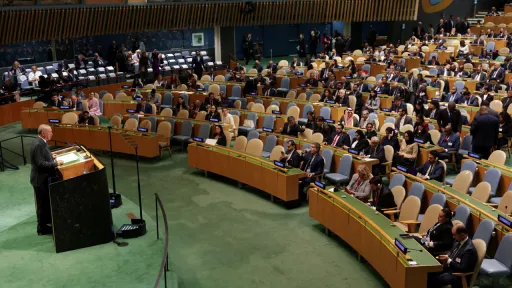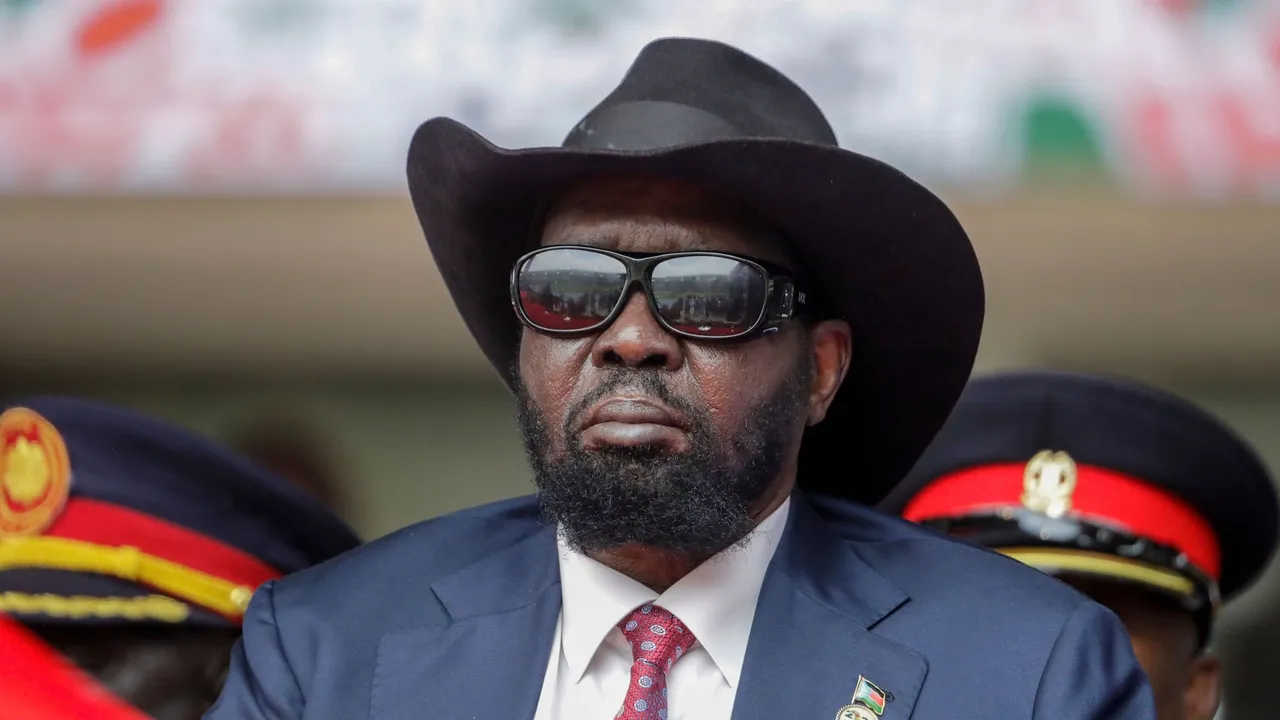
A senior UN official on Thursday warned that South Sudan's political, security and humanitarian crises continue to deepen as the country prepares for elections, saying the conditions for credible, peaceful and inclusive polls remain uncertain.
"Since my last briefing in April, political discourse in South Sudan has increasingly been dominated by preparations for the December elections and by the challenges that the electoral process continues to raise," Anita Kiki Gbeho, the UN secretary-general's special representative and head of the UN Mission in South Sudan (UNMISS), told the Security Council.
"While elections represent an important transition milestone, concerns are growing about whether conditions necessary for credible, peaceful, and inclusive elections can be established in time," she said.
Gbeho said the political environment remains fragile, citing limited progress in implementing the Revitalised Peace Agreement.
'Concerned'
"Politically, trust among key stakeholders remains fragile," she said, adding that the absence of key opposition actors from key processes has raised concerns about "inclusivity, consensus-building and confidence in the remaining transition process."
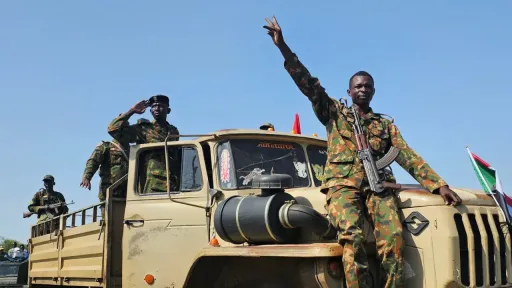
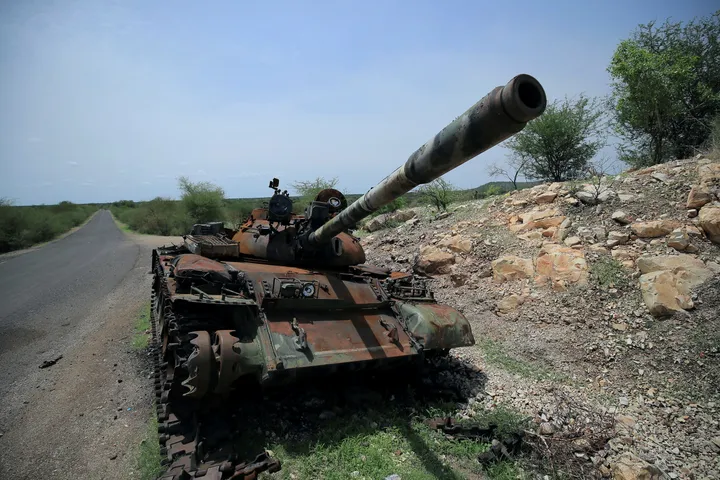
Pointing to continued clashes involving government and opposition forces, she said: "From a security perspective, we remain deeply concerned by ongoing armed confrontations involving the South Sudan People's Defence Forces (SSPDF) and the Sudan People's Liberation Army-in-Opposition (SPLA-IO), particularly in Jonglei, as well as ongoing tensions in other parts of the country."



Warning that civilians continue to bear the brunt of the violence, Gbeho said: "Civilians continue to pay the highest price, facing displacement, losing lives, homes, and livelihoods as a result of insecurity."
She added that from January through June, violence displaced more than 420,000 people, primarily in Jonglei, while South Sudan is also hosting approximately 1.4 million people who fled the war in neighbouring Sudan.
Additional pressure
Gbeho said disease outbreaks are placing additional pressure on already fragile systems, with cholera remaining a major concern while the threat of Ebola spreading from the neighbouring Democratic Republic of the Congo requires continued vigilance.
On the work of UNMISS, she said the mission continues to implement its mandate despite growing challenges, including limited resources, while maintaining its focus on civilian protection, humanitarian assistance, the peace process and human rights.
Gbeho also outlined four priorities for South Sudan's leaders and the international community.
"First, the fighting must stop," she said, noting the second priority as protecting "civilians and humanitarian personnel," as well as ensuring humanitarian access.