 Pauline Odhiambo
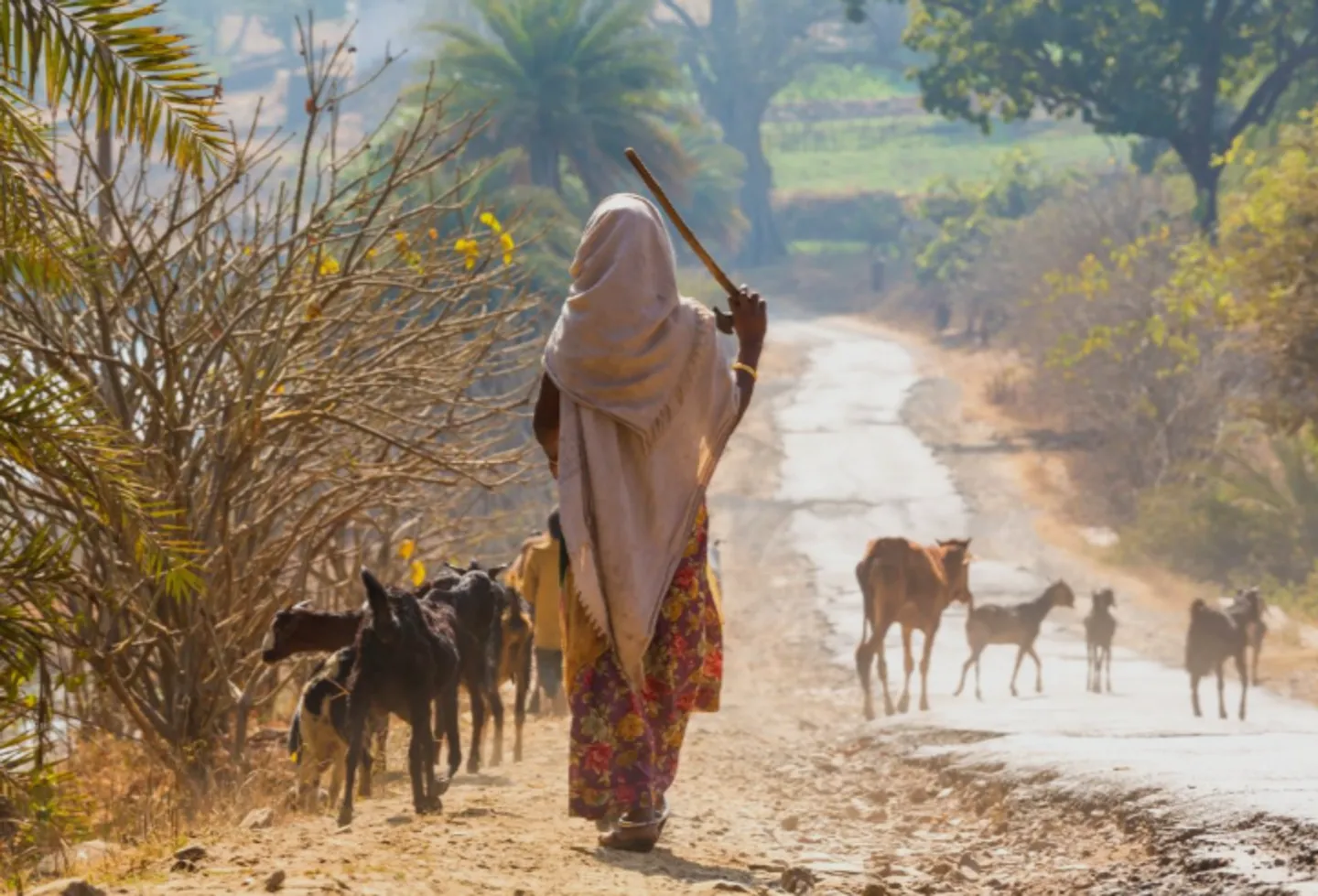
Fatima Adan remembers the water before she remembers the fever. In late 1997, the rains came so hard and so fast that the seasonal river near her family’s settlement in Kenya’s North Eastern Province swallowed the grazing fields whole.
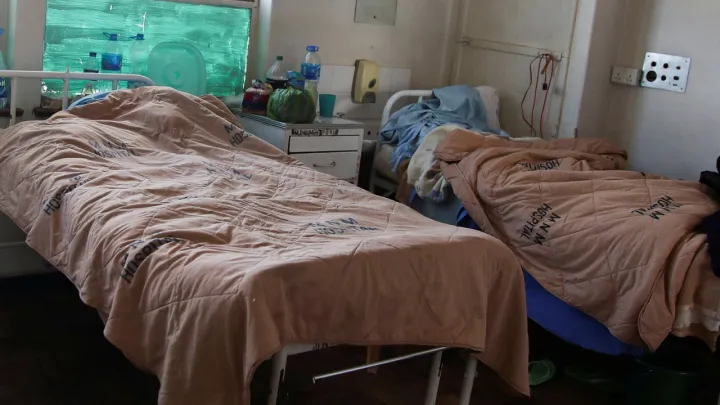
The goats went first. Then the camels. Then, within days, her uncle developed a headache so severe he could not open his eyes, followed by bleeding from his nose and gums that no local remedy could stop.
“We thought it was a curse,” Fatima, now a grandmother, recalls. “The animals were dying, and then the people were dying. We did not know the mosquitoes were carrying it to us.”
That year, torrential rains linked to a record-strength El Niño triggered one of the largest Rift Valley fever epidemics ever recorded in Eastern Africa. In Garissa district alone, surveillance teams identified 170 deaths from a mysterious “bleeding disease” before the virus was confirmed. Livestock owners reported losing roughly 70 percent of their sheep and goats and up to 30 percent of their cattle and camels.
The economic shock rippled outward: a total ban on livestock exports from infected areas cost the region an estimated US$250–350 million, according to data by the Food and Agriculture Organisation (FAO).
Warning signs
Nearly three decades later, the warning signs are flashing again. In a joint alert, FAO and the Intergovernmental Authority on Development (IGAD) warned that current El Niño conditions are “comparable to those observed in 1997-98,” with heavy rainfall and flooding expected to expand mosquito breeding sites across Ethiopia, Kenya, Somalia, South Sudan, Tanzania and Uganda.
Rift Valley fever, an acute viral disease that affects livestock—including sheep, goats, cattle, buffaloes and camels—can also infect humans. The virus is transmitted mainly by mosquitoes, though people can also become infected through direct contact with the blood, milk or tissues of infected animals.
The FAO’s Rift Valley Fever Early Warning Decision Support Tool projects that conditions suitable for transmission will increase across much of Eastern Africa between October 2026 and January 2027.
For families like Adan’s, the memory of 1997 is not history. It is a template for what may come next.
Nearly a thousand kilometers south in Tanzania’s Morogoro region, Neema Mwakalinga has a different scar. In 2006, when Rift Valley fever swept through Tanzania during another period of heavy rains, her family’s small herd of cattle was decimated—not by the virus alone, but by the market collapse that followed.
A mature bull that once sold for the equivalent of US$238 dropped to US$158 as fears of the disease spread faster than the virus itself. The government banned livestock movement; milk sales dried up; and the butcher who usually bought her family’s animals stopped answering his phone.
“The disease did not come to our village, but the hunger did,” Mwakalinga says. “We had animals, but we had no money. We had milk, but no one would buy it.”





Isolated communities
During that outbreak, trade volumes in Tanzania fell by 37 percent, according to a 2006 review of RVF epidemics in the country.
Across the border in Kenya, the direct losses to livestock producers alone reached roughly US$9.3 million, with milk revenue losses exceeding US$77,000, according to a report by the Public Library of Science (PLOS). The World Organisation for Animal Health recommends a three-year export ban following an outbreak, a policy that can cripple pastoralist economies long after the mosquitoes have gone.
What worries experts now is not just the scale of the coming rains, but the speed at which the region’s defenses could be overwhelmed.
The FAO-IGAD alert calls on affected countries to strengthen risk-based surveillance, pre-position vaccines, and coordinate across sectors and borders using a One Health approach. But the same floods that breed mosquitoes can also wash out roads, disrupt veterinary services, and isolate the very communities most at risk.
‘We can save ourselves’
“Heavy rainfall and flooding linked to El Niño encourage the spread of RVF by expanding mosquito breeding sites and potentially disrupting veterinary services,” the FAO and IGAD warned in their joint statement. The virus is transmitted mainly by mosquitoes, but humans can also become infected through direct contact with infected animals or their blood, milk, or tissues.
The 1997-98 outbreak infected an estimated 89,000 people across Kenya, Somalia, and Tanzania, with 478 confirmed deaths. The 2000-2001 outbreak that spread to Saudi Arabia and Yemen—the first confirmed outside Africa—sickened more than 1,500 people and killed at least 215. Those precedents make the current alert more than a routine advisory; they make it a countdown.
Yet Fatima, speaking from Garissa, does not sound defeated. She has seen what happens when the rains come and the warnings are ignored. She has also seen what happens when they are not.
“In 1997, we did not know. Now we know,” she says. “If the government brings the vaccines and the nets, and if the young people listen, we can save the animals and we can save ourselves. The rain will come. But we do not have to die with it.”