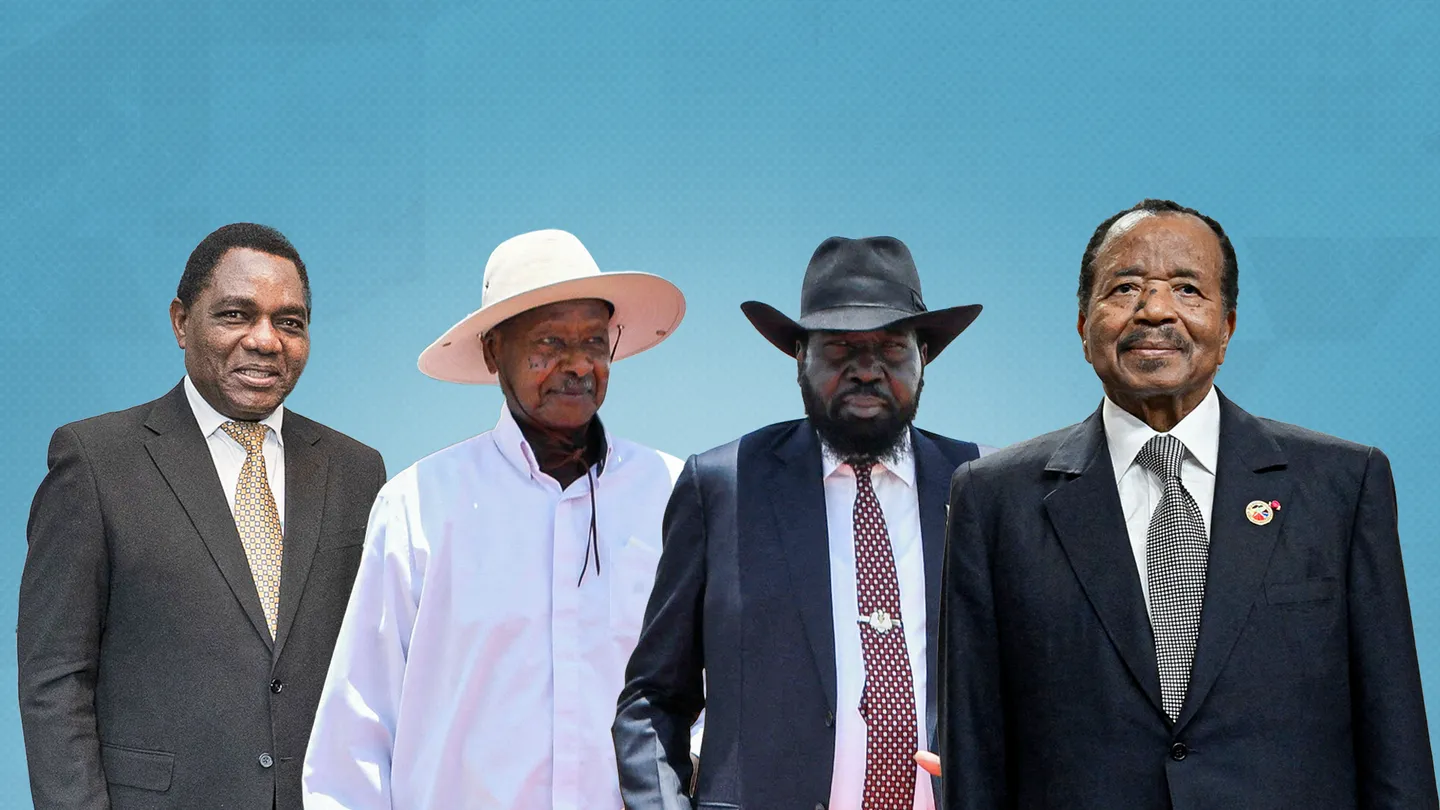
Across Africa, some countries don’t have any living former heads of state. Do you know why?
Let’s start with Cameroon. The country gained independence in 1960 and has had only two presidents. Paul Biya took over in 1982, and the only president before him, Ahmadou Ahidjo, died in 1989.
The same is true in Equatorial Guinea. Independent since 1968, it has had two presidents in total. Teodoro Obiang seized power in 1979 by overthrowing his uncle, Francisco Macías Nguema, who was executed. No one else has held the job since.
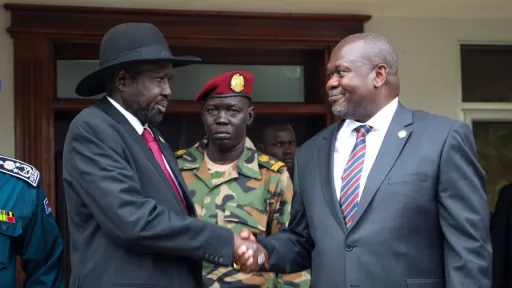
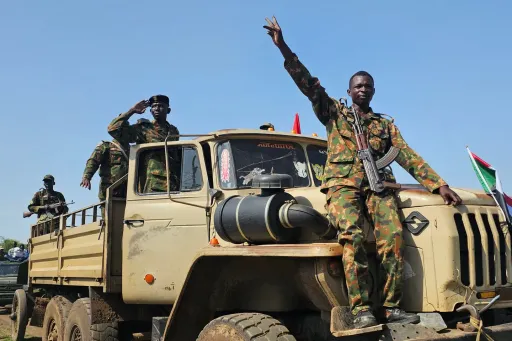
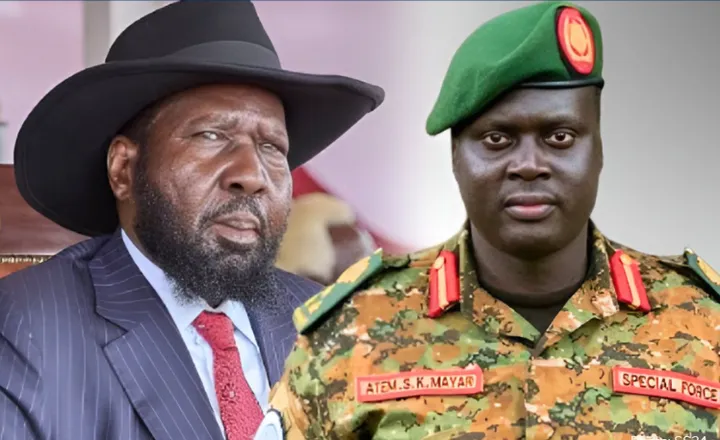
President Salva Kiir has led South Sudan since independence in 2011. No one came before him.
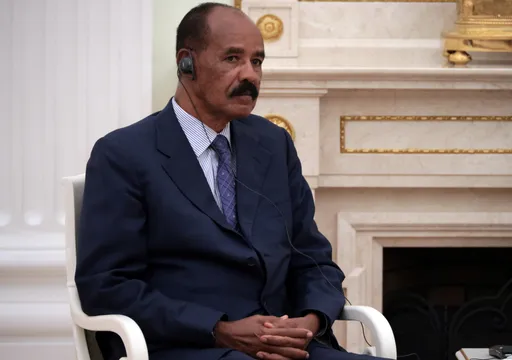
It’s the same story for Eritrea, which became independent in 1993. Isaias Afwerki has been president since day one. No predecessor.
Then there’s Zambia. It gained independence in 1964 and has had seven presidents and one acting president.
The current leader is Hakainde Hichilema. All his predecessors have died, two of them in the past year. Edgar Lungu passed away in June 2025, while former acting President Guy Scott died on 15 July 2026.
In neighbouring Zimbabwe, which gained independence in 1980, the death of ex-President Robert Mugabe in 2019 means there is no living former head of state. The current leader is Emmerson Mnangagwa.
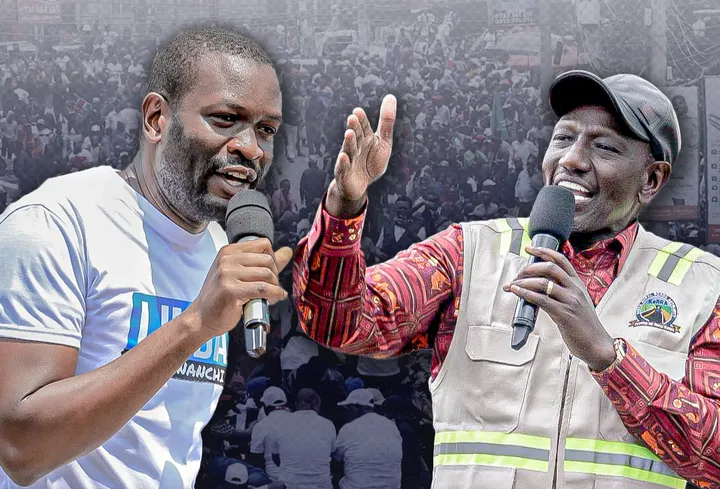

Let’s move to Uganda, which gained independence in 1962. President Yoweri Museveni has been in power since 1986, and every leader before him, from Milton Obote to Idi Amin, has passed away.
The Republic of Congo, also known as Congo-Brazzaville, has had several presidents since independence in 1960. Current President Denis Sassou Nguesso, who returned to power in 1997 after previously serving from 1979 to 1992, has outlasted all the rest.
In Togo, Faure Gnassingbé inherited power from his father Eyadéma, who died in 2005. The country has had several presidents since independence in 1960, but it has no living former head of state.
Djibouti has been independent since 1977 and has had two presidents. Ismaïl Omar Guelleh has been in office since 1999. His predecessor Hassan Gouled died in 2006.
Then there’s the monarchy of Eswatini, which gained independence in 1968. It doesn’t have a president.
King Mswati III has reigned since 1986, and there are no former monarchs alive. The king is the head of state, with a prime minister, currently Russell Mmiso Dlamini, as head of government.
Living former heads of state have their pros and cons. Analysts say they can bring wisdom, stability, and international connections that guide nations through crises because of their experience.
However, they can also divide opinion, drain budgets, and cast long shadows over new leaders struggling to forge their own path.