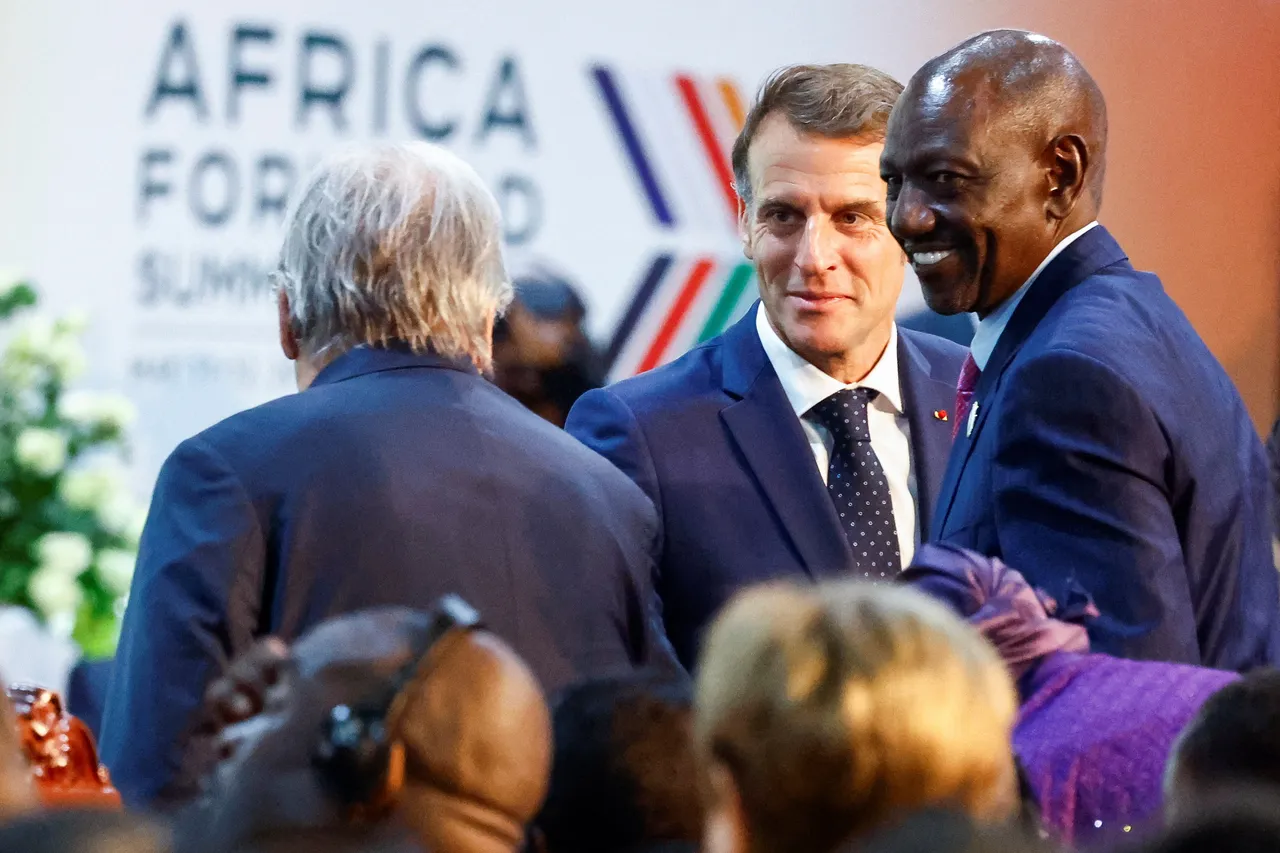
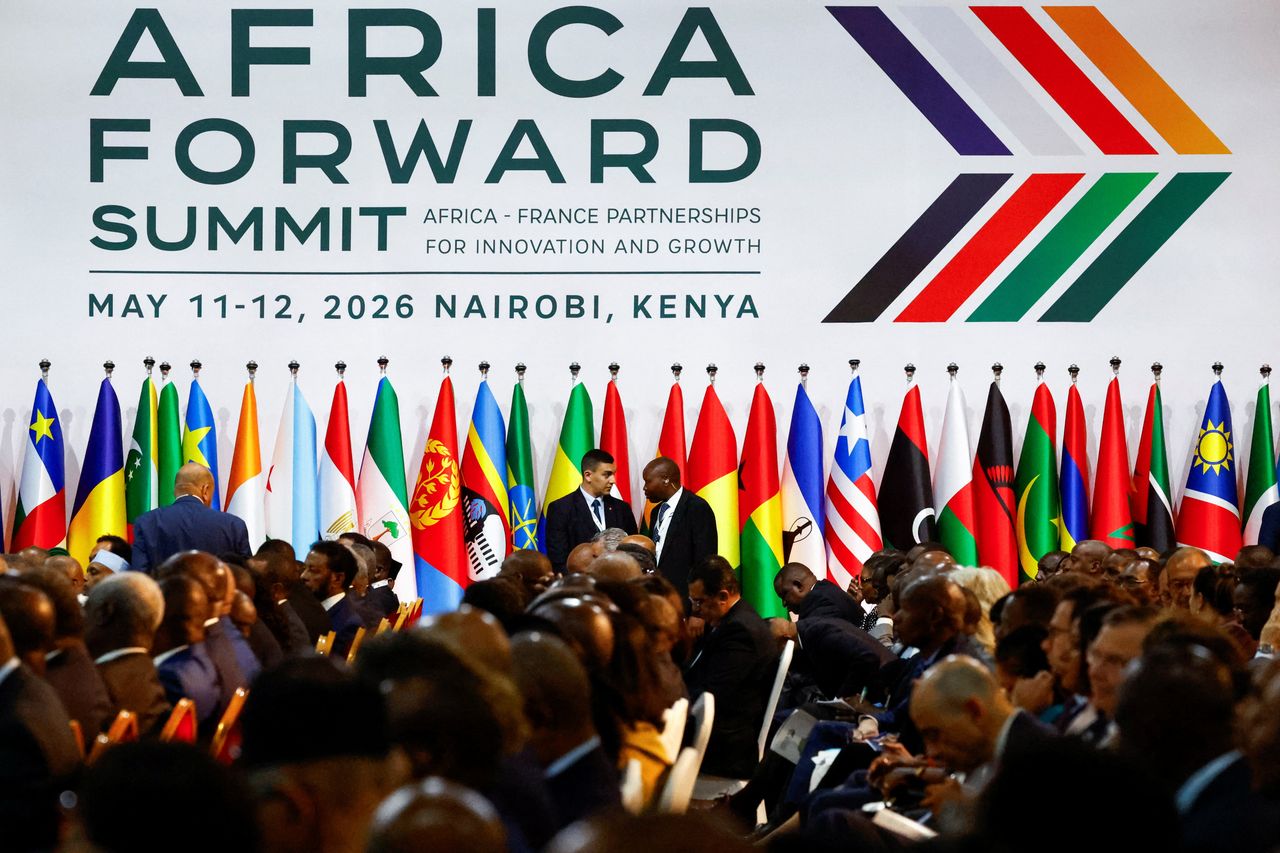
The recently concluded Africa Forward Summit in Nairobi has left many young Africans like myself caught between two worlds.
On one hand, the Nairobi Declaration is filled with the kind of pan-African, future-oriented language we have long craved. It speaks of industrialization, sovereignty, and a “partnership of equals” between Africa and France.
On the other hand, a familiar wave of skepticism has flooded social media. Many point to the long, complicated history of French intervention on the continent as a reason to dismiss the summit entirely.
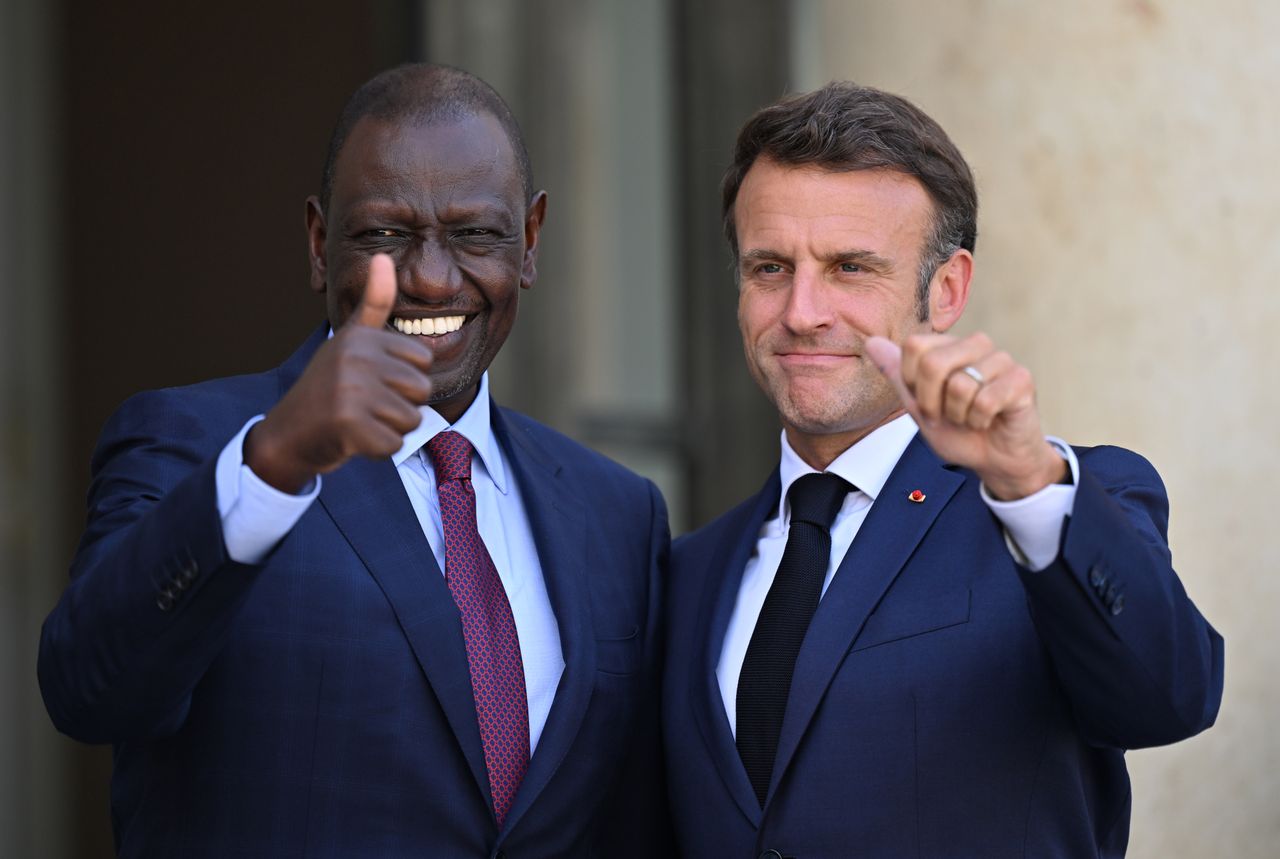
As a young African, I understand the anger, but I believe we are asking the wrong questions. The real issue is not whether France is a “good” partner. The real issue is whether African institutions are strong enough to ensure that the deals signed in Nairobi, like the €23 billion investment platform, actually serve our people.
Africa first?
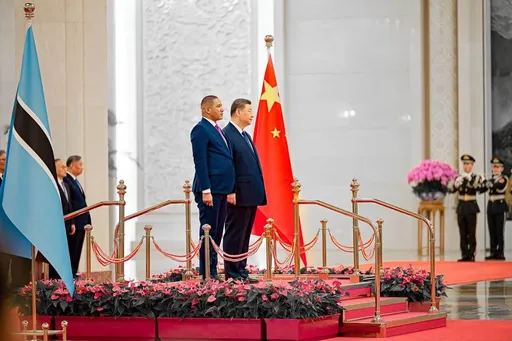
First, we must be clear-eyed about how the world works. There is no version of history where France, the United States, China, or Russia will create a foreign policy that centres African interests. That is not diplomacy, and it simply won’t happen.
A French diplomat at the table is there to fight for French interests. A Chinese diplomat is there to secure Chinese interests. America will always do the same.
To expect a foreign power to prioritise our development over its own economic gain is a fundamental misunderstanding of international relations. Instead of claiming a summit is flawed because it doesn’t centre African interests, we should be asking how we can change that dynamic through our own diplomacy.
Isolation is not a viable strategy in our modern world. It is a form of political suicide. Even the biggest rivals on the global stage, like the United States and China, find ways to engage each other and work together where their interests overlap.
If the world’s superpowers recognize that they cannot afford to ignore one another, Africa certainly cannot afford to stand alone. We cannot win by staying away from the table. We win by changing how we show up to it.
Cycle of reaction
The current problem is that Africa is often stuck in a cycle of reaction. We wait for global powers to set the terms of engagement, and then we show up to react to them. This is why we feel sidelined.
One way Africa will start winning is by setting its own foreign policy and strategy first. We need to move from being reactors to being rule-setters. We must reform our own institutions and strengthen them so we don’t get called to the table to sign a pre-written document. Instead, we should bring our own document to the table.







The Nairobi Declaration mentions the need to reform the United Nations Security Council and the international financial architecture. These are massive, messy goals that require the cooperation of global powers.
Currently, the system is rigged against us. African nations pay significantly higher interest rates than other regions, which cripples our ability to invest in ourselves. But we will not change these rules by complaining about them from the sidelines. We change them by building the institutional power necessary to demand a new deal.
When an African diplomat sits across from a French diplomat, their job should be exactly the same. They should be there to fight for African interests with the same ruthlessness and clarity that their counterpart brings to the table.
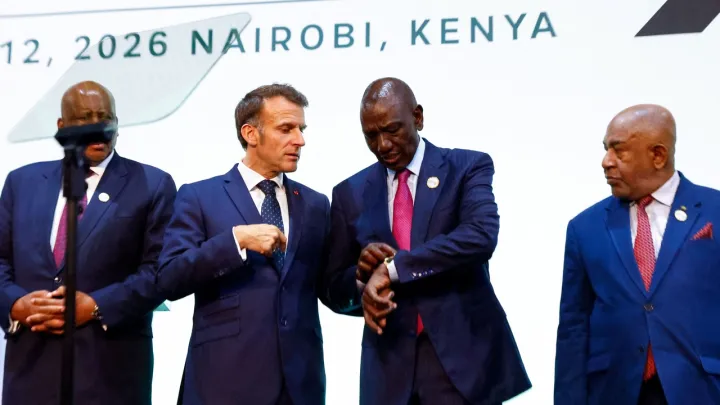
If they are only playing the role of a reactor, that is an own goal and failure of our own strategy. We must ask ourselves how we can ensure our representatives are equipped to negotiate from a position of strength.
Second, this summit is important because it highlights the trap of the East versus West narrative. We are often told we must choose a side in a new Cold War. Africa should reject this choice. Africa should not choose the East or the West. Africa must choose Africa.
Choose Africa
We should be ready to transact business with anyone ready to meet our terms. Whether a partner comes from the East or the West, we should engage them knowing exactly what they want and exactly what we intend to get in return.
Winning depends entirely on how we do it, not who we do it with. If we enter these transactions with a clear foreign policy and a unified front, we can leverage our resources and our growing markets.
With our growth expected to surpass Asia’s for the first time this year, we have the leverage. Our task is to use that leverage to build the infrastructure and the digital sovereignty mentioned in Nairobi.
The Africa Forward Summit should be seen as a beginning. It is a signal that the world recognizes our growing importance.
As young Africans, we should stop fearing engagement and start demanding better execution. We must build a continent that is so organised and so clear in its objectives that the rules of engagement are written in Nairobi, not just signed there.

Engagement is winning, but only if we are the ones leading the conversation, and on our own terms.
The author, Nhial Deng, is a multi-award-winning social innovator, storyteller, and systems strategist working at the intersection of artificial intelligence, social impact, geopolitics, and youth leadership.