 Sylvia Chebet
Two years ago, as the world rang in 2024, 67-year-old Yao was fighting a quiet, wasting battle. In Agou, about 100 kilometres north-west of Lomé, the capital of Togo, the farmer watched his body shrink under the strain of a relentless illness.
Chest pains gripped him. Nights brought drenching sweats. A stubborn cough refused to loosen its hold. The discomfort was not just persistent—it was consuming.
“I was convinced the disease would kill me,” Yao recalls.
What came next was a diagnosis Yao never saw coming. Tests confirmed he had tuberculosis.
“I was surprised—and very sad—to learn I had the disease,” he says. “I had suffered too much. I just wanted to be cured, by any means necessary.”
In Togo, tuberculosis remains a persistent public health challenge. In 2023, 30 out of every 100,000 people contracted the disease, according to the World Health Organization’s 2024 global TB report.
In response, the country has stepped up its fight—rolling out targeted initiatives to find cases earlier, expand screening, and ensure patients receive timely and effective treatment.
“A person infected with TB can transmit the disease to 10 to 15 others in a single year through close contact,” Dr. Jean Louis Abena, a technical officer for tuberculosis at the World Health Organization’s Africa office tells TRT Afrika.
The warning underscores a stark reality: early diagnosis and prompt treatment are not just medical priorities—they are among the most powerful tools to stop the disease from spreading.
“Every 83 seconds, tuberculosis claims a life in the World Health Organization African Region. In 2024 alone, TB killed 378,000 people and infected 2.7 million more—accounting for a quarter of the global burden,”Dr. Mohamed Yakub Janabi, WHO Regional Director for Africa said as the world marked World TB Day.
GeneXpert diagnosis
At the heart of Togo’s efforts for early detection is the GeneXpert machine—a rapid diagnostic tool that can confirm tuberculosis from sputum samples in a matter of hours. Recommended by the World Health Organization as a first-line test, the technology has become a cornerstone of the country’s case-detection efforts.
The scale-up has been striking. In 2020, Togo had just about 15 GeneXpert machines spread across 14 sites. Four years on, that network has more than tripled, reaching 52 sites nationwide—bringing faster, more reliable diagnosis within closer reach of communities.
“Thanks to this notable improvement in GeneXpert capacity, early case detection has been reduced from 72 to 24 hours nationwide. This is helping to move our country towards the eradication of tuberculosis,” Prof. Abdou Gafarou Gbadamassi, Coordinator of Togo’s National Tuberculosis Control Programme (PNLT) reckons.
In the Republic of the Congo, the National Tuberculosis Control Programme (NTCP) has made a major leap forward, acquiring 46 GeneXpert machines that now serve a network of 113 testing and treatment centres nationwide.

For a country that once had to send samples abroad to culture the bacteria and test antibiotic resistance, this represents a dramatic shift. Previously, results could take six to eight months—delays that severely hampered patient care.
“This situation complicated the therapeutic follow-up of patients with multidrug-resistant tuberculosis, which requires a laboratory capable of producing cultures,” explains Dr. Darrel Ornelle Elion Assiana, director of Congo’s National Mycobacterial Reference Laboratory.
“Treatment for highly-resistant cases was significantly delayed, and by the end of therapy, the lack of culture results often meant patients couldn’t even be confirmed as cured.”
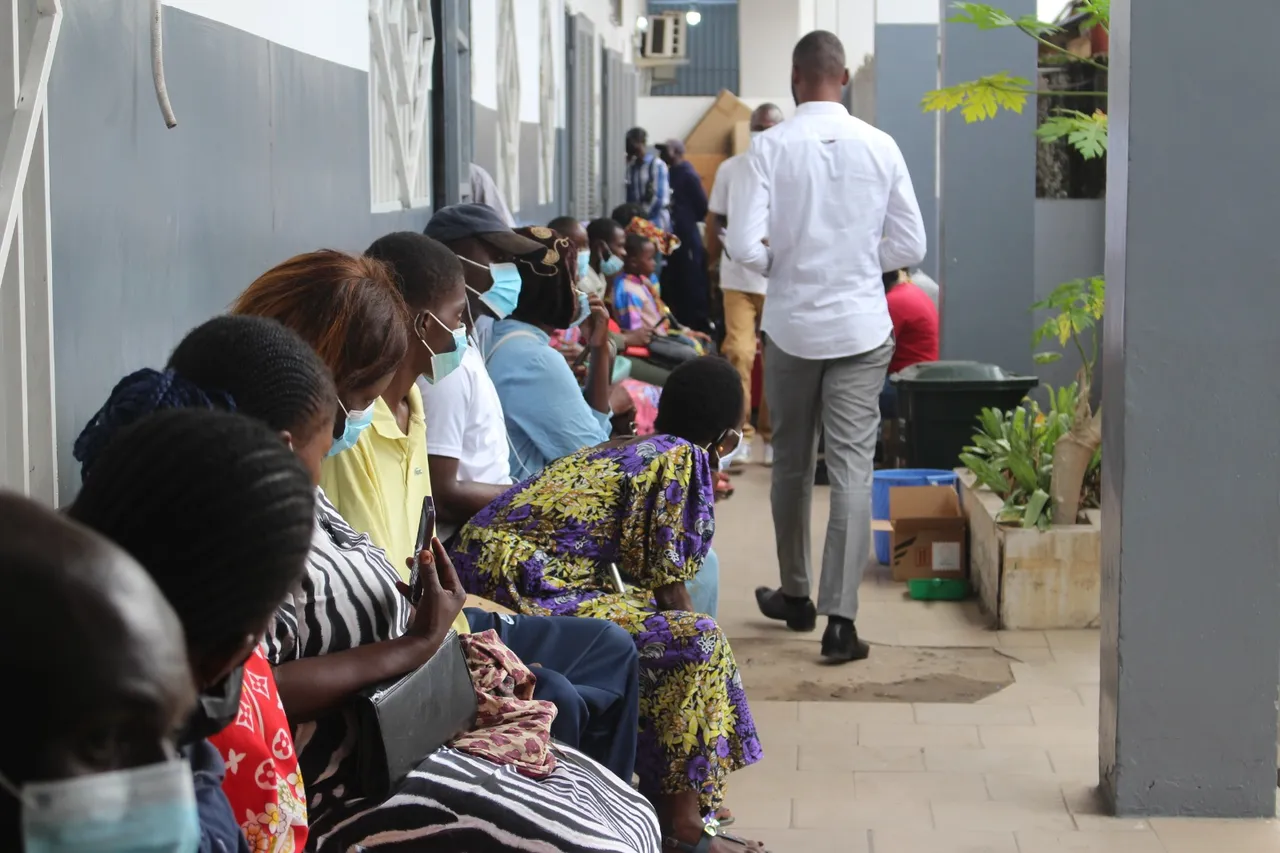
Back in Togo, Yao counts himself among the fortunate few who were able to access rapid testing and timely treatment. At the Prefectural Hospital Centre in Agou, he was able to access one of the machines—a turning point in his ordeal.
Treatment began immediately. The first weeks were grueling, marked by the strain of high-dose medication, but gradually his condition began to improve.
“The medication made me very weak at first,” he recalls. “After two months, my first check-up came back negative. I was tested again in the fifth and sixth months—and that’s when I was finally declared cured of tuberculosis.”
Togo and Republic of the Congo are among the nations benefiting from the World Health Organization’s support in strengthening tuberculosis detection, treatment, prevention, and care.
End TB strategy
“By 2030, the End TB strategy aims to reduce cases by 80%, slash deaths by 90%, and eliminate catastrophic costs for TB-affected households,” Dr. Jean Louis Abena, a technical officer for tuberculosis at the World Health Organization’s Africa office tells TRT Afrika.
“It’s an ambitious target, but we are fully committed. With robust prevention, accessible care, intensified government support, and scientific research that delivers new tools to fight against tuberculosis, a world without TB is possible.”
The World Health Organization’s Regional Director for Africa is urging governments across the continent to step up domestic investment and fast-track the implementation of national tuberculosis strategies, in line with commitments made at the UN High-Level Meeting.
But Dr. Mohamed Yakub Janabi reckons that governments cannot tackle the TB burden alone. “I call on partners and donors to help close the critical funding gap and support country-led priorities. And I call on communities and civil society to continue their essential role in reaching vulnerable populations, and holding us all accountable,” he adds.
Yao, now fully cured of TB, also reiterates that family support is an essential part of TB management. His words serve as a powerful reminder that emotional and practical support can be just as crucial as medical treatment in overcoming the disease.
“My family has been essential to my recovery. Without their support, I would have died of TB,” he says adding: “If a member of your family has this disease, stay close to them, help them to stay motivated, and never give up hope.”
Health experts say that with scientists, communities, and patients working hand in hand, this year’s World TB Day theme—Yes! We Can End TB!—could move from aspiration to reality.