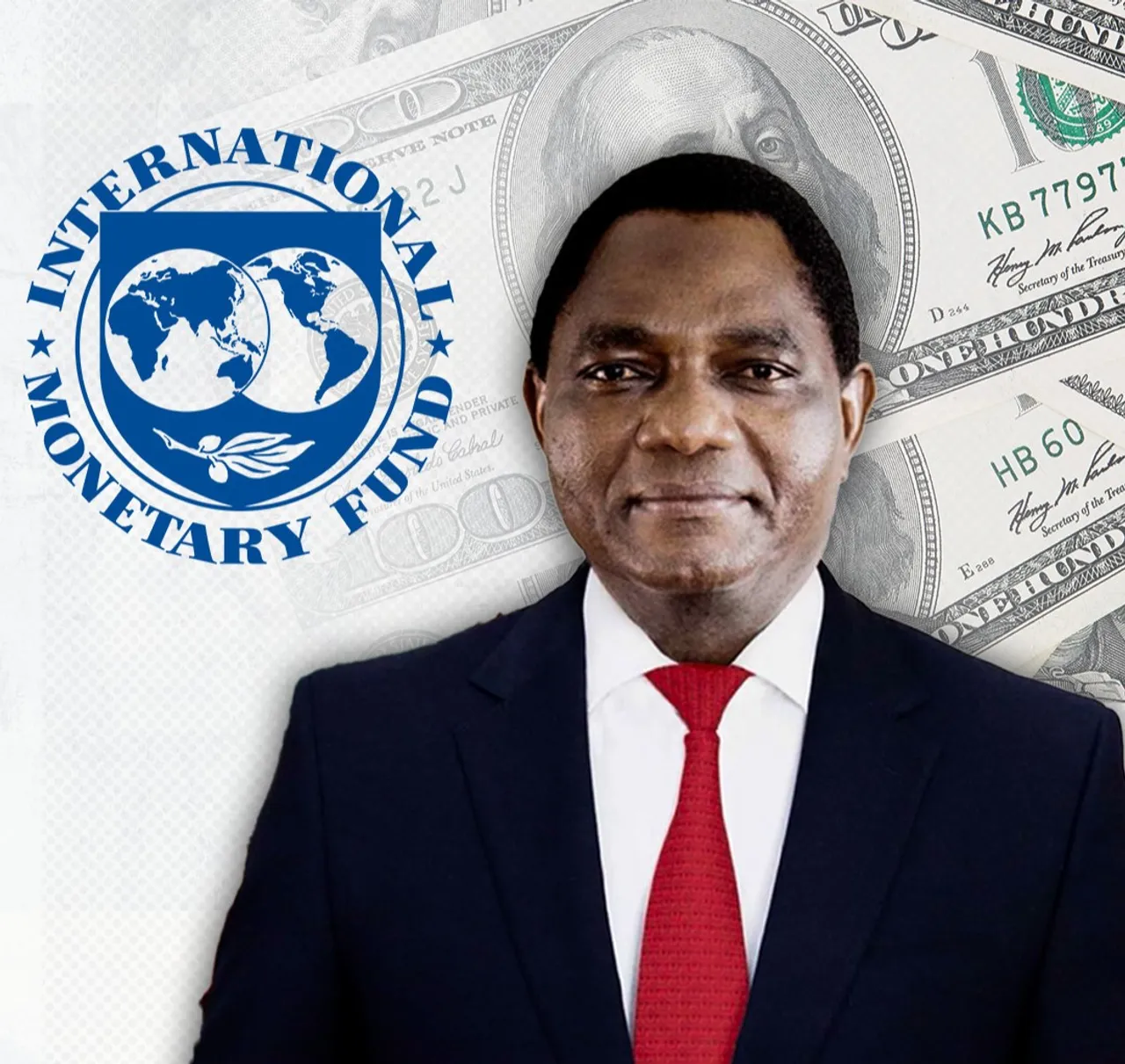
The story of the Zambian economy in recent years has been one of ups and downs.
In 2020, Zambia became the first African country to default on its debt.
Years of heavy borrowing for infrastructure, a collapsing copper price and the COVID-19 pandemic impact left the country unable to service its debt, which once stood at more than $26 billion in 2021.
That was the year President Hakainde Hichilema came to power after winning an election.
Zambia then applied for debt restructuring under the G20 Common Framework.
The road was slow and bruising. But in 2024, it secured a deal to restructure its debt with creditors, unlocking an IMF disbursement and giving it financial “breathing room”.
Zambia says it currently “does not owe arrears to the IMF or other multilateral institutions”.
‘Outstanding obligations’
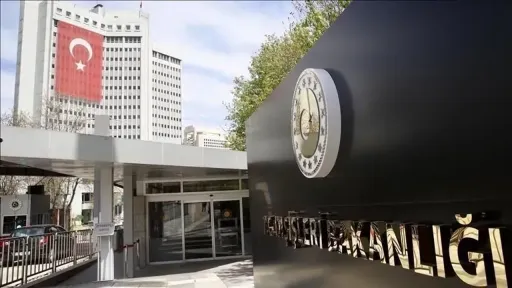
However, its Ministry of Foreign Affairs and International Cooperation explained, in a statement on 20 April, that the country still has “outstanding obligations to multilateral institutions, including the IMF, arising from financing provided under the recently concluded Extended Credit Facility Programme”.
It said the outstanding balance is $1.8 billion and the country is currently servicing it, as it continues to engage with the financial institutions.
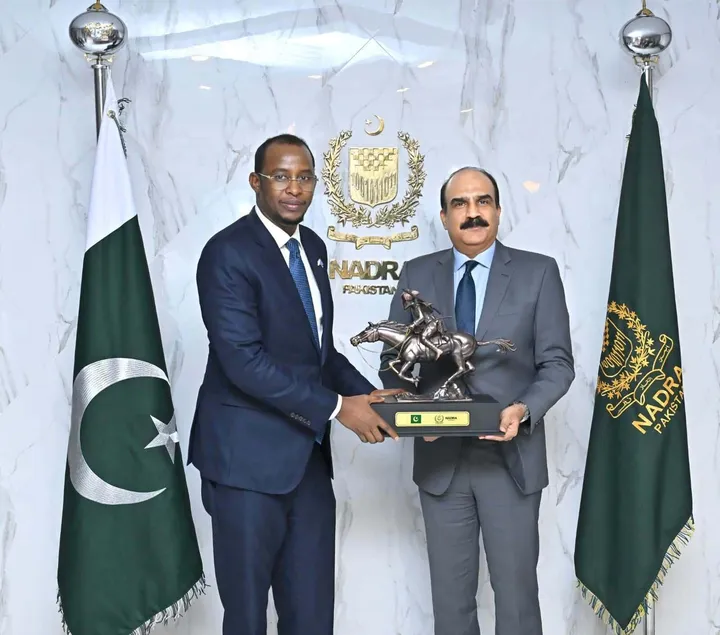


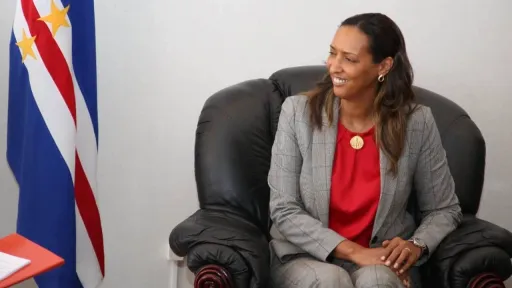
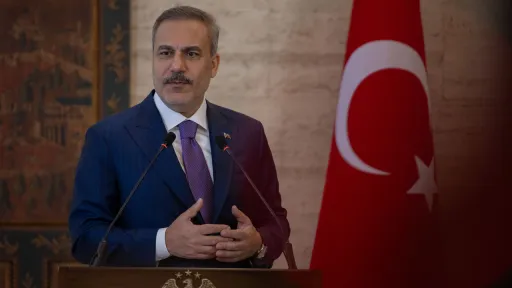
Earlier, Zambia’s Minister of Foreign Affairs, Mulambo Haimbe, told TRT Afrika at the recently held Antalya Diplomacy Forum in Türkiye that the debt restructuring process is a success despite the challenges.
“We're getting concessional finance actually from the IMF and the World Bank as a consequence of this successful debt restructuring programme that we undertook,” he said
“In terms of the effects of the current crisis in the Middle East, the conflict in the Middle East, the challenge that it brings, of course, is that it has knock-on effects in terms of increased cost of essential commodities, fertiliser, and more importantly, petroleum products that we must import since we don't produce them ourselves,” the minister added.
‘Reverse gains’
“This has the potential to reverse some of the gains that we made all this time towards reducing inflation and that's part of the success of our programme. From a double-figure inflation that we inherited, we are now at a single figure. From negative 2.8% growth that we inherited, we're now growing at 6%.”
Despite Zambia being one of the fastest-growing economies in Africa, more than 70% of its 21 million people live in poverty, according to the World Bank.
It is Africa’s second-largest copper producer, after the Democratic Republic of Congo, and eighth globally, accounting for about 70% of its export earnings with global prices of the precious metal rising. It also has reserves of other minerals such as nickel, manganese, uranium and gold.
The conversations about the economy come as Zambia prepares for elections in August, with President Hakainde Hichilema seeking a second term.