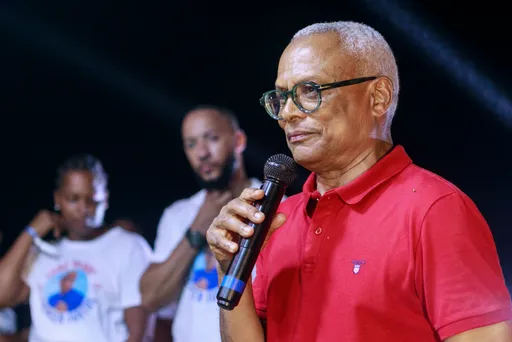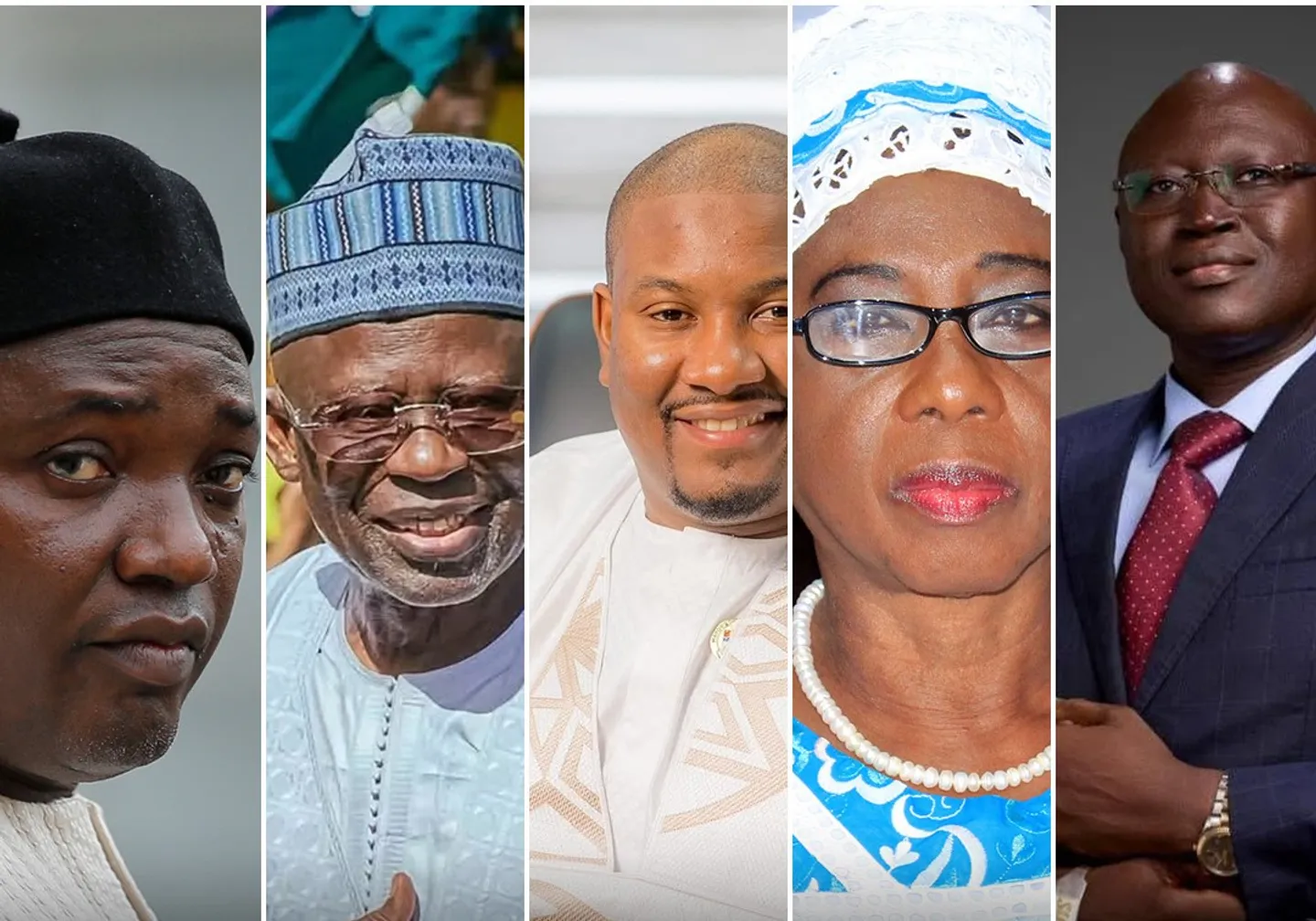
President Adama Barrow is seeking to extend his eight-year rule as The Gambia prepares for a presidential election that will test the country's political direction and the government's record on economic reforms, constitutional change and job creation.
The Independent Electoral Commission announced at the weekend that it had also accepted the nomination papers of veteran opposition leader Ousainou Darboe, rising political figure Talib Ahmed Bensouda and the sole female candidate, Isatou Touray.
Darboe, who leads the United Democratic Party (UDP), is widely expected to be Barrow's main challenger when Gambians head to the polls on December 5. Bensouda, the popular former mayor of Kanifing Municipality, brings another prominent opposition figure into the contest.
Barrow came to power in 2017 after defeating longtime ruler Yahya Jammeh in an election widely seen as a democratic breakthrough and an opportunity for political renewal.




Presidential term limits
After winning re-election in 2021, Barrow pledged to introduce a new constitution that would impose presidential term limits. However, efforts to enact the proposed constitution stalled, leaving the existing constitutional framework in place.
Barrow has blamed political opposition for the failure to pass the new constitution. He has, however, pledged to revive the process if re-elected and if his National People's Party (NPP) secures enough seats in legislative elections scheduled for next year.
The campaign period officially began on Monday and runs until December 3, with economic reforms and job creation expected to feature prominently.
The government is also likely to face scrutiny over the country's recent power crisis. Prolonged electricity cuts during the hottest months of the year sparked public frustration and protests against the government in September.