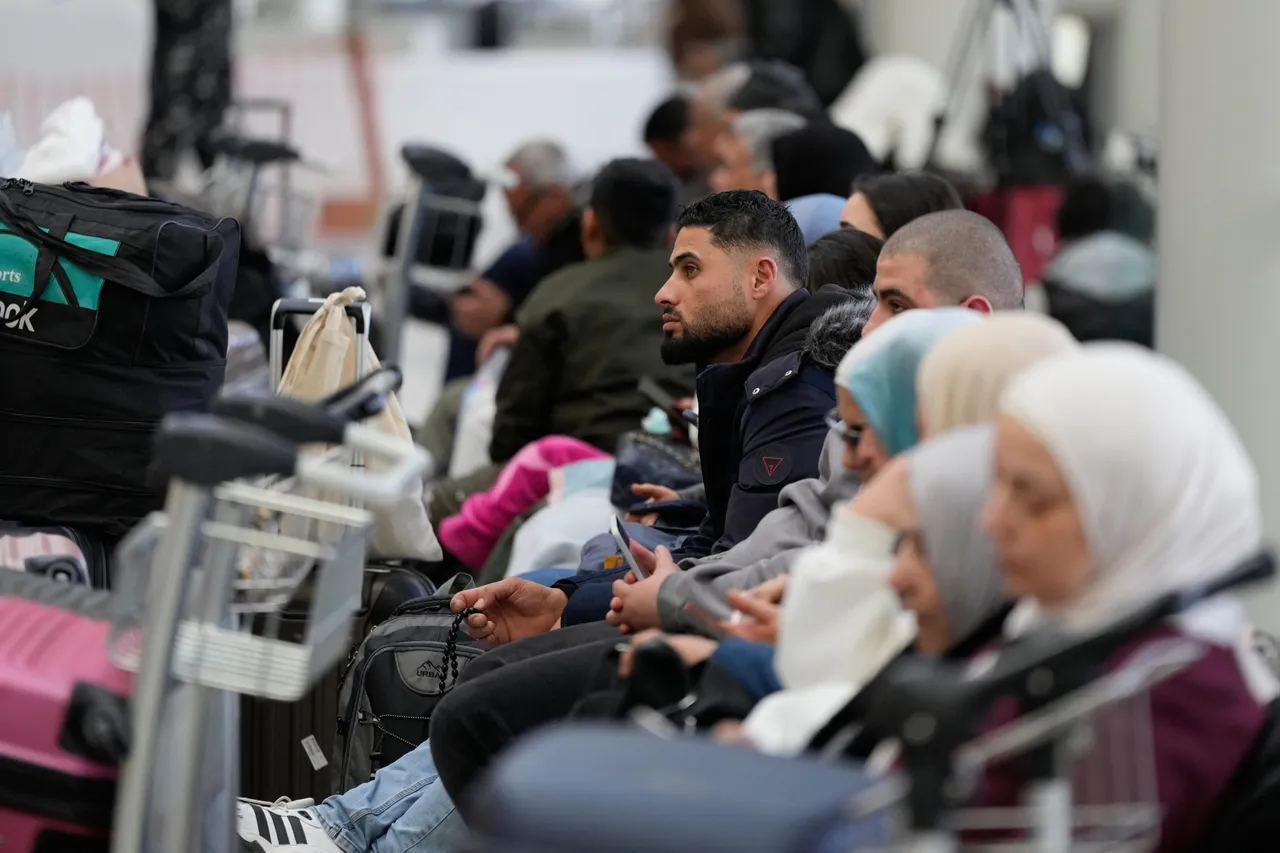
Several African governments have moved swiftly to protect their citizens as tensions between Iran, Israel, and the United States escalate into what analysts describe as the most serious regional crisis in years.
The conflict, triggered by a joint US–Israeli aerial attack that killed Iran’s Supreme Leader Ali Khamenei and followed by Iranian retaliatory strikes, has severely disrupted global aviation, shutting down major international airports.
South Africa urges citizens to register
In South Africa, the government has urged all citizens currently in the Middle East to immediately contact South African embassies in their respective countries of residence to ensure their whereabouts are known.
The Department of International Relations and Cooperation (DIRCO) warned that airspace closures have left some nationals stranded and acknowledged that consular support may be limited in an emergency. Face-to-face assistance, it said, may not always be possible depending on location.
DIRCO spokesperson Clayson Monyela said authorities are in touch with South Africans using various communication platforms.
“Our systems do work. Every country’s diplomatic mission have evacuation plans. Various interventions and options are being explored. We did advise those on our databases to get out,” he wrote on X, adding that nationals registered with embassies had already been contacted—even before the latest strikes.
Uganda advises citizens to leave Iran
Uganda has gone further, advising its citizens in Iran to take urgent safety precautions and leave the country where possible. Kampala also confirmed the withdrawal of non-essential embassy staff.
In a security notice, Uganda’s Ministry of Foreign Affairs said it was monitoring developments “with grave concern” and urged all parties to exercise restraint and prioritise dialogue. The ministry cautioned that information about possible evacuations may be limited given the fluid security environment.
Ghana suspends non-essential travel
The Government of Ghana has officially suspended all non-essential travel to the Middle East, citing escalating hostilities and risks to aviation and maritime routes.


Accra expressed concern that sudden airspace closures could leave travellers stranded or exposed to active combat zones. Ghanaian nationals already in the region — particularly in the Gulf States, Israel and Lebanon — have been urged to avoid military installations and crowded public spaces, and to register with the nearest embassy or consulate.
“The Ministry of Foreign Affairs and Regional Integration is closely monitoring the situation in the Middle East,” the official statement read. “In view of the current security developments, the Ministry advises all Ghanaian nationals to avoid non-essential travel to and from the region until further notice.”
Diplomatic missions have been placed on high alert as authorities update databases to facilitate possible evacuations. The advisory also comes amid fears of disruptions to the strategic Strait of Hormuz, a key artery for global oil shipments, with potential economic ripple effects for African economies reliant on stable energy prices and trade routes.
Kenya calls for extreme caution
Kenya has similarly issued a travel and safety advisory following reported attacks on Iran and subsequent retaliatory strikes.
The Ministry of Foreign and Diaspora Affairs urged Kenyans in Iran, Israel, Qatar, the UAE, Bahrain, Kuwait, Saudi Arabia, Jordan and Iraq to exercise extreme caution, avoid non-essential movement — especially near military facilities — and closely monitor official communications from host governments.
Prime Cabinet Secretary and Foreign Affairs CS Musalia Mudavadi said Nairobi remains in close contact with its diplomatic missions in the region and will provide updates through official channels. Kenyans who have not registered with their nearest mission have been asked to do so immediately.
AU warns of global fallout
At the continental level, the African Union has called for restraint amid fears that a prolonged conflict could have severe consequences for Africa.
AU Commission Chairperson Mahamoud Ali Youssouf urged “restraint, urgent de-escalation and sustained dialogue", warning that further escalation risks worsening global instability.
He cautioned that the fallout could disrupt energy markets, undermine food security and weaken economic resilience — particularly in Africa, where many countries are already grappling with conflict and economic pressures.
As the crisis deepens, African governments are balancing diplomatic neutrality with urgent efforts to safeguard their citizens, while the continent watches anxiously for signs of de-escalation in a conflict with potentially far-reaching global consequences.