The World Health Organization (WHO) has warned that escalating attacks against health workers and medical facilities are undermining efforts to contain an Ebola outbreak in the Democratic Republic of the Congo (DRC), with a grenade found near a health zone office among a series of security incidents.
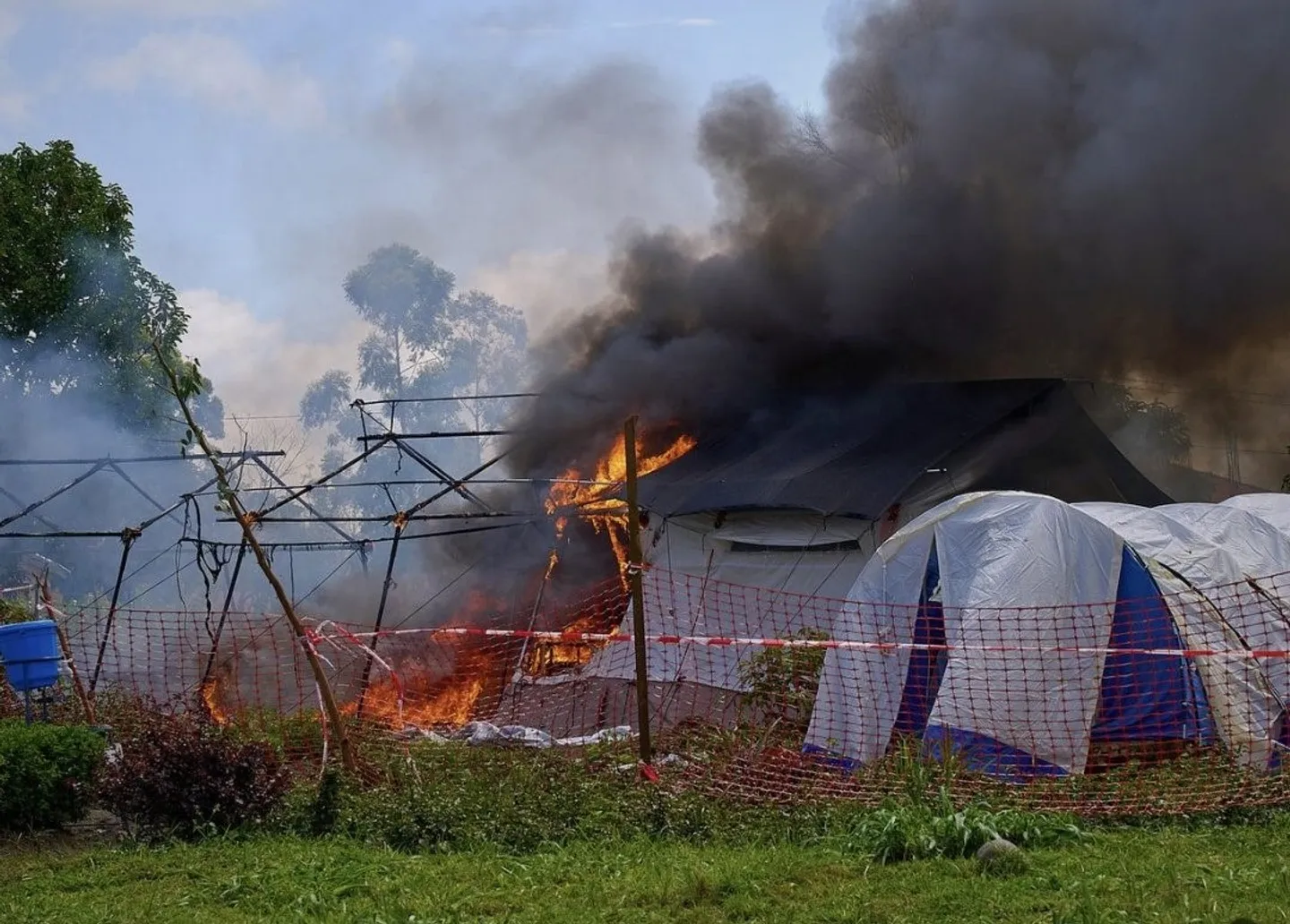
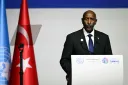
WHO Director-General Tedros Adhanom Ghebreyesus said insecurity had become one of the greatest obstacles to the response, citing attacks on medical personnel, gunfire near treatment centres and attempts to burn health facilities.
With confirmed cases now surpassing 11,000, the outbreak—declared in mid-May and caused by the rare Bundibugyo virus, for which no approved treatments or vaccines exist —is the second-worst on record.
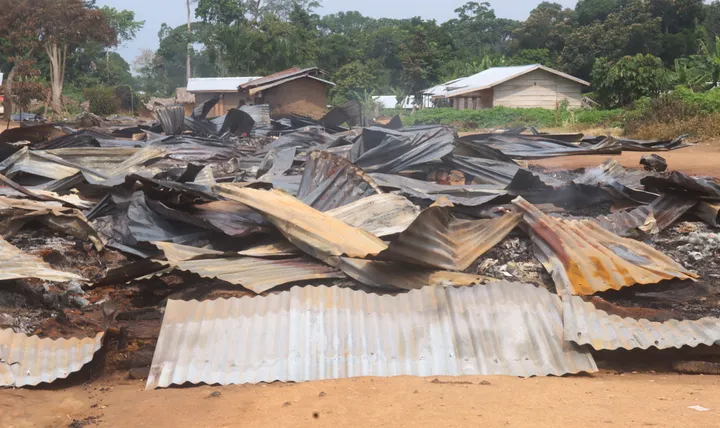
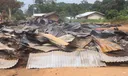
During an attack on the town of Cantine-Aloya last week, 66 civilians were killed, including three health workers, while three health facilities were looted and burned, Tedros told a briefing for WHO member states on Wednesday.

‘Humanitarian emergency’
He described the incident as both a major humanitarian emergency and a significant setback to efforts to contain the outbreak.
“More than 1,000 contacts have been lost to follow up, and three confirmed cases are unaccounted for,” he said.
The WHO chief also reported that a nurse was killed and another health worker seriously injured in an attack while responding to an Ebola alert in Tshopo province two weeks ago.
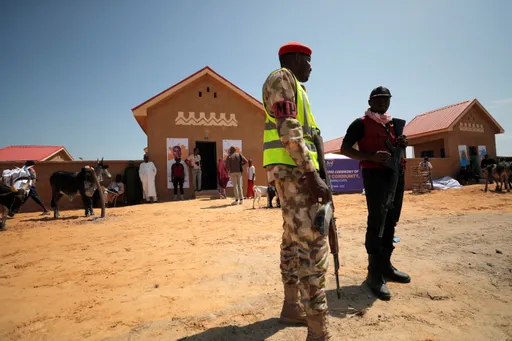
Other incidents included gunfire near an Ebola treatment centre, an arson attempt on a treatment facility, stones thrown at a vehicle conducting safe and dignified burials, and threats against health workers.
“These incidents restrict humanitarian access, disrupt operations, make it harder to reach communities quickly, and give the virus an advantage,” Tedros said.
He added that displacement, difficult terrain and rainy weather were compounding operational challenges, while delays in paying frontline workers risked triggering strikes and tensions with communities.
“The response is expanding, but it is still not at the scale required to rapidly identify, isolate and treat every case, trace every contact, and interrupt transmission,” he said.
Research
Tedros said WHO was working with the DRC government, Africa Centres for Disease Control and Prevention (Africa CDC) and other partners to strengthen surveillance, laboratory capacity, clinical care, infection prevention and control, safe burials and community engagement.
He stressed that these interventions needed to operate as a coordinated system, with alerts quickly investigated, suspected cases isolated and tested, and confirmed infections triggering treatment and contact tracing.
On vaccines, Tedros said a trial using the Ervebo vaccine had begun last month, while WHO expert groups had recommended adding two vaccine candidates developed specifically for the Bundibugyo virus.
However, he cautioned that vaccination alone would not contain the outbreak.
“Vaccines are not a substitute for the measures that save lives now: early care, contact tracing, isolation, safe and dignified burials, infection prevention, and trusted engagement with communities,” he said.
Tedros also warned against allowing the Ebola response to undermine other essential health services, including primary healthcare, maternal and child health services and treatment for other diseases.
He said the response must reach people equitably, including those in areas outside government control and other hard-to-reach communities.
The WHO chief further called for stronger safeguards against sexual exploitation, abuse and harassment, saying the organisation was working with the UN Office for the Coordination of Humanitarian Affairs (OCHA) and other partners to improve reporting channels, investigations and survivor-centred assistance.
Although protections had been better integrated than in previous Ebola responses, he said significant gaps remained.
Regional response
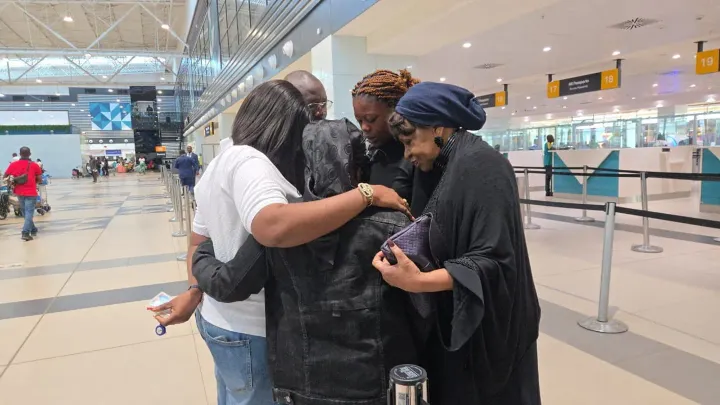
Tedros said preparedness efforts were also being strengthened across the region following imported Ebola cases in Kenya and Nigeria.
Kenya reported nine cases linked to an imported infection from the DRC, including two deaths. The country discharged its final patient on Thursday and began the 42-day countdown towards being declared Ebola-free, he said.
Nigeria, meanwhile, reported one imported case involving a Swiss citizen who was evacuated to Switzerland with their spouse.
“The rapid detection and management of cases show the value of preparedness, transparency and control measures,” Tedros said.
WHO is supporting countries considered at risk, particularly those around high-risk border areas, by strengthening surveillance, investigating alerts, expanding testing and isolation capacities, and procuring personal protective equipment.
Tedros also urged countries that had imposed blanket travel restrictions to lift them, warning that such measures hinder response operations, damage livelihoods and discourage countries from reporting outbreaks quickly and transparently.
“Targeted, evidence-based public health measures are more effective,” he said.
The DRC government has updated its national response plan through January 2027, while WHO and Africa CDC are revising the continental preparedness and response plan for the next phase of the outbreak.