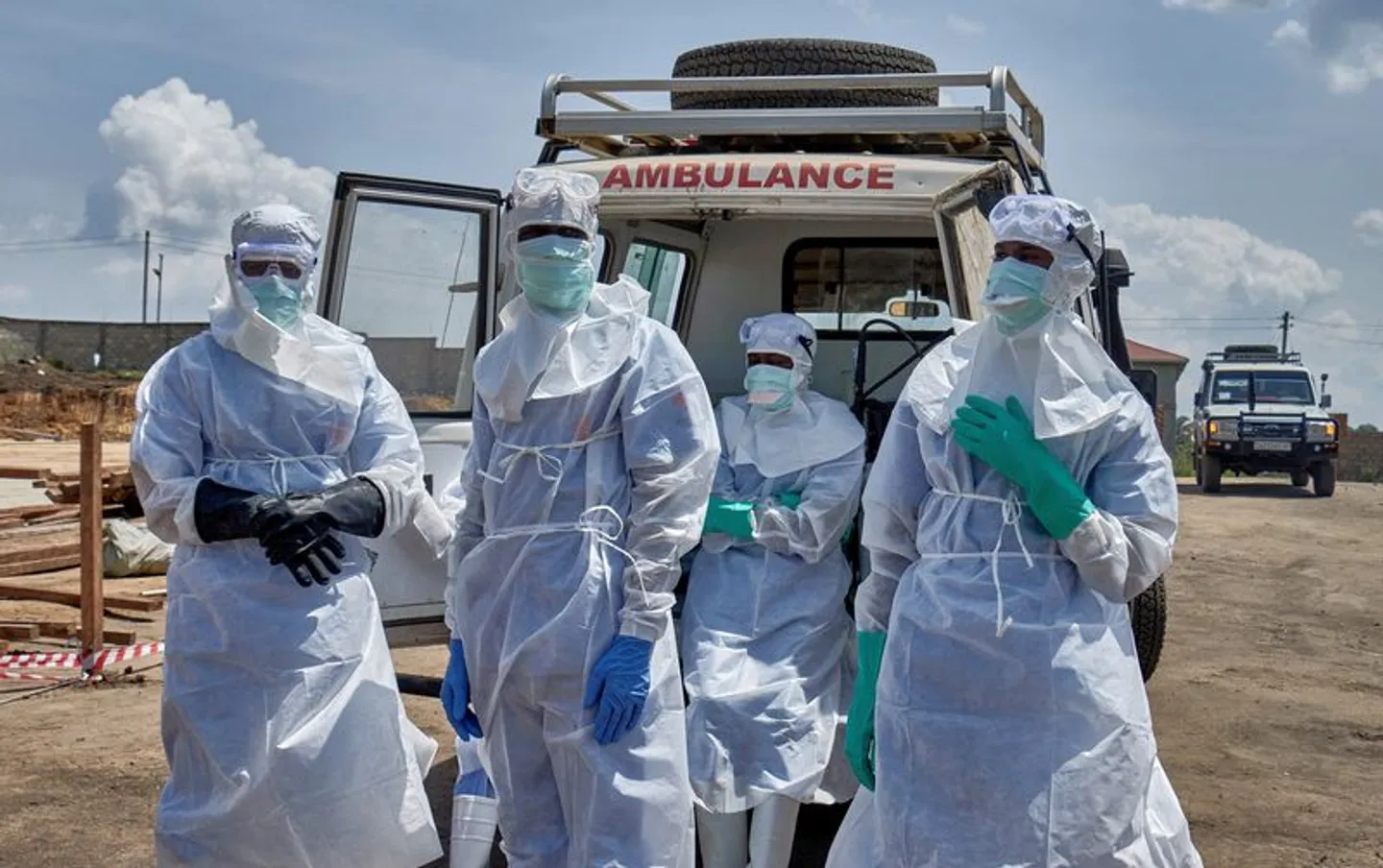
The death toll from the current Ebola virus outbreak in the Democratic Republic of Congo has climbed to over 1,000, according to the latest data released Thursday by the country's health authorities, as new infections continue to mount.
The country has been reporting a persistent increase in new community infections since the outbreak was declared on May 15.
Health Ministry data showed that the number of confirmed infections recorded since the outbreak began has reached 2,536, including 1,033 deaths.
Some 738 patients are currently in isolation or hospitalised, while 506 people have recovered.
The ministry said the case fatality rate has increased to 40.7%.
Risk of infection
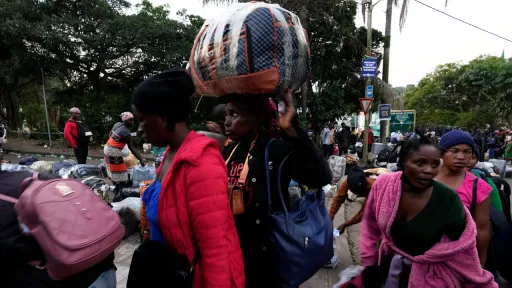
Last week, the UN migration agency warned that the movement of Ebola victims' bodies across Congo for burial in their home communities is increasing the risk of further transmission of the virus.




The virus has affected five provinces, including Haut-Uele, Ituri, North Kivu, South Kivu, and Tshopo.
Ituri remains the epicenter of the epidemic caused by the Bundibugyo virus strain, with sustained transmission.
“The response remains fully deployed in the affected provinces, with ongoing reinforcement of surveillance, diagnostic, and case management capacities,” the ministry said.
Cautious optimism
On Wednesday, the head of the country’s Ebola response operations Adelard Lufongola, told reporters in Bunia, the capital of Ituri province, that while the curve of new Ebola infections in certain provinces affected by the epidemic shows a slight downward trend, it is still too early to assert that the peak of the epidemic has been reached.
Prime Minister Judith Suminwa was expected Thursday in Kisangani in Tshopo province and later in Bunia, Mungwalu, and Rwampara in Ituri province, to bolster the response against Ebola, according to a statement from her office.
The visit aims to reaffirm the government's leadership in the fight against Ebola, strengthen coordination, and enable high-level decision-makers to assess the realities on the ground in order to consolidate prevention, surveillance and care efforts for affected populations, the statement said.