PATE ISLAND, Kenya —The cranes of Lamu Port rise above the Indian Ocean, visible from the shores of Pate Island. At night, their illuminated structures pierce the darkness, standing in stark contrast to an island plunged into darkness.
Across the water, Lamu Port, with three operational berths, is handling increased cargo diverted from the Arabian Gulf amid disruptions to global shipping routes caused by the Iran war. Nearby, the $16 billion Dangote East Africa Petroleum Refinery, designed to process 700,000 barrels of oil daily and equipped with a 1,000-megawatt power plant, broke ground on September 30, 2026, promising 60,000 jobs and an industrial transformation for Kenya's coast.
Yet less than 10 kilometres away, some 20,000 residents of Pate Island have been living
without electricity since October 13.
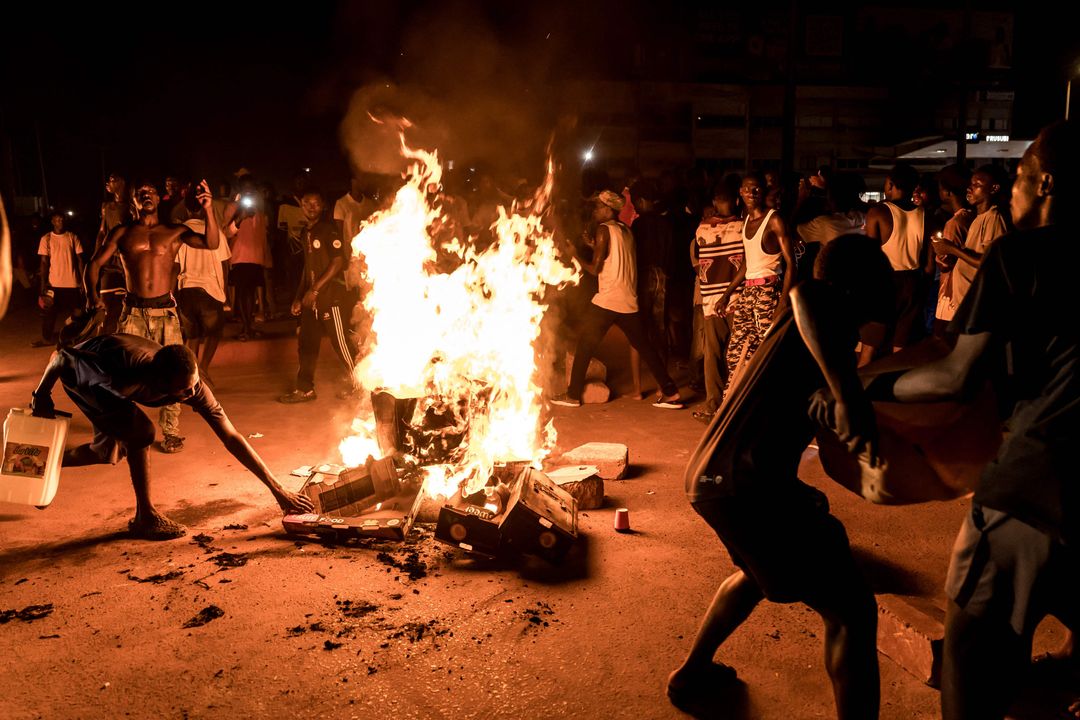
For more than four weeks, communities including Faza, Kizingitini, Tchundwa,
Mbwajumwali, Myabogi, Siyu, Shanga-Rubu and Mtangawanda have endured a complete
blackout. Businesses have ground to a halt, healthcare and education have been
disrupted, and livelihoods built around fishing have suffered severe losses.
The physical distance between the island and the mainland is less than 10 kilometres. The
gap in basic infrastructure, however, is measured in decades.
Three generators, three failures
Pate Island's power station was constructed in 2010. Its first generator arrived in 2012, while commercial electricity production began in 2016, following the transfer of equipment from Lamu Island after it was connected to the national grid.
The station operates three diesel generators: one main Cummins 650 kVA unit and two 500 kVA backups. The equipment was already ageing when it arrived.
According to Isaac Mukinya, Kenya Power's county engineer, the main generator failed first.
A replacement part had to be ordered from abroad through the utility's central procurement system. Residents were placed on electricity rationing before both backup generators also failed during the rainy season.
Mukinya attributes the breakdowns partly to the coastal environment, where humidity,
salinity and heat accelerate corrosion. He says the generator housing was
designed for Kenya's cooler highlands and cannot adequately withstand coastal
conditions.
Kenya Power's Lamu County Business Manager, Mark Irungu, maintains that the utility
moved quickly to restore supplies.
"We didn't want to say we won't do any repairs until all parts are ready, so the
one that was ready first was what we took with speed to site," he said,
explaining that partial generation could at least restore electricity through
rationing.
The repair operation, however, exposed serious logistical challenges.
The first spare part reached the mainland jetty on November 1, but low tides prevented
its transportation to the island. On November 8, officials discovered that the
equipment was too large for the assigned boat. It finally reached Pate on
November 9, transported on two vessels after a further 12-hour wait for
favourable tides.
Three days later, residents were still without power, this time because of a transformer
problem. November 13 was announced as the new restoration deadline, exactly one
month after the blackout began.
Irungu acknowledges that electricity provision in the region is not commercially
profitable but insists it remains a public responsibility.
"Within our constitution, electricity is a right; whether or not it will be profitable,
we have to ensure that it is done," he said.
The cost of darkness
For residents, the blackout is not merely an inconvenience. It has become an economic crisis.
Fishing is the backbone of Pate Island's economy. Without electricity, ice production has
stopped, leaving traders struggling to preserve catches for transportation to
markets elsewhere.
Mohammed Bwanaheri, a fish transporter, says his business has been cut by more than
half.
"I used to transport 5-6 tonnes of fish, about 25-30 cooler boxes," he said. "But now I only transport 10-15 cooler boxes. It is a big loss."
Fishermen must now bring ice from Lamu Island, a journey of approximately two hours by
public boat.
Meat, fish and chicken have spoiled, while families are forced to cook daily because they
cannot refrigerate food. A juice seller who previously earned 500 shillings in daily profit from chilled drinks now makes nothing. A woodwork workshop owner has laid off five employees.
Alternative energy is prohibitively expensive. Petrol costs approximately 270 shillings per
litre on the island, compared with 225 shillings on the mainland. Running a petrol generator can cost between 200 and 459 shillings per kilowatt-hour, far above the average grid electricity tariff of approximately 26 shillings.
Candles have become another household necessity. At 15 shillings each, a family needing four to six candles daily can spend up to 90 shillings just for lighting.
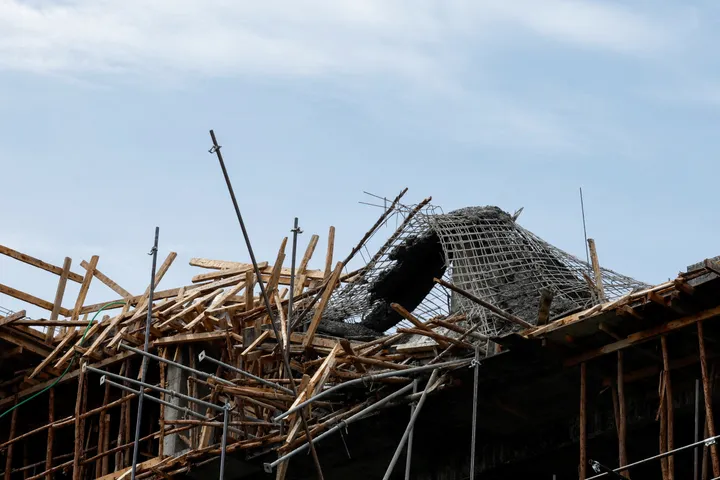
The consequences are not only financial. On October 31, a house caught fire after
residents resorted to candlelight.






Pay-as-you-go solar systems offer limited relief. A 40-watt panel can power a few bulbs and
charge a phone, but cannot run a refrigerator or sustain a workshop. The d.light D100, for example, costs 725 shillings upfront and 25 shillings daily, bringing the total to 18,100 shillings, compared with 9,500 shillings for an outright purchase.
Residents also question the involvement of a Kenya Power employee in supplying and
installing these systems while the utility's own network remains out of
service.
A communications blackout
The electricity failure has also disrupted communications.
A mobile network mast lost power after its solar system stopped functioning and its backup generator failed, cutting connectivity in two villages and disrupting mobile money services, a lifeline in an economy where cash is often scarce.
The problem reflects a wider vulnerability in rural telecommunications infrastructure.
Safaricom has previously reported a sharp increase in network power outages, particularly at rural sites without access to the national grid.
The company used 10.4 million litres of diesel to power its mobile masts in the 12 months
to March 2025, up from 9.7 million litres the previous year.
For Pate residents, the blackout has therefore meant losing more than electricity: it
has also restricted communication and access to essential financial services.
The politics of power
The crisis has become a political battleground.
Lamu East MP Ruweida Obbo, the first woman elected to represent the constituency and a
native of Pate Island, has protested at the Kenya Power generation station in Faza, demanding the restoration of electricity.
The issue is not new. In 2023, she sought a ministerial explanation in Parliament over a
similar outage in Faza Ward. Her political opponents are now using the latest blackout to challenge her record.
The history of the power station has also fuelled questions about the relationship between
infrastructure delivery and electoral politics. Construction began in 2010, the first generator arrived in 2012, and commercial electricity production started
in 2016 — milestones that residents and observers have noted occurred close to
successive general elections.
With another election approaching, questions remain over whether the current intervention
will provide a lasting solution or another temporary fix.
The island'smarginalisation, however, extends beyond electoral cycles.
Lamu Port, the proposed Dangote refinery and the halted Lamu coal-fired power plant
represent ambitious infrastructure projects in the region. Yet Pate Island,
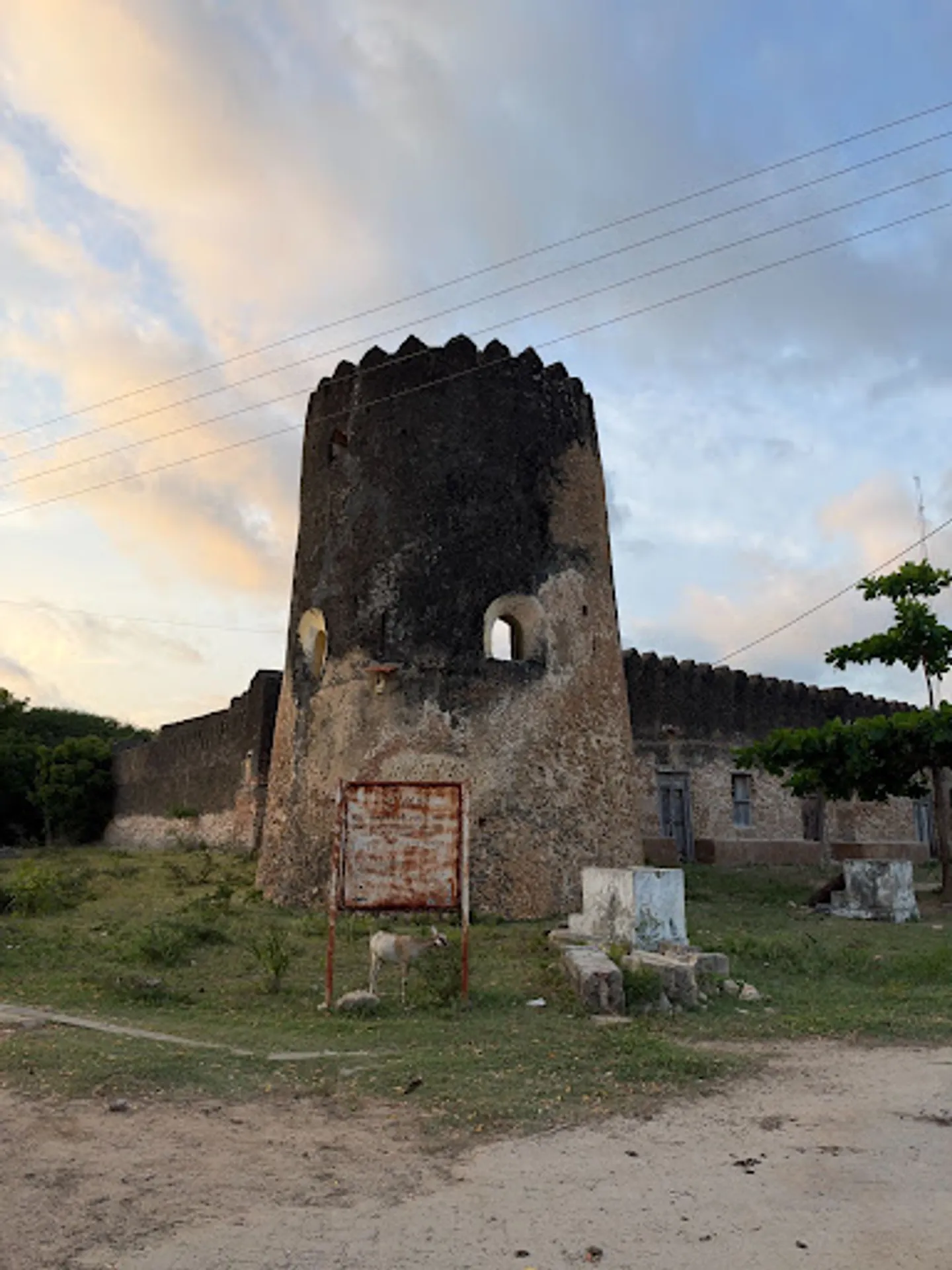
home to settlements dating back at least to the seventh century and once among
the most important Swahili trading centres, continues to struggle with basic
services.
"You drive through kilometres of tarmacked roads for a planned project," one resident said, "yet the existing community that has lived here for centuries is still awaiting for a single kilometre of tarmac."
The way forward
Kenya Power says its immediate priorities are repairing the generators, training local technicians to carry out maintenance and expanding the generator house to improve ventilation.
Longer-term proposals include connecting the island to the national grid through submarine cables, although the utility considers the cost prohibitive.
Power generation technician Simon Kiura has suggested relocating the diesel station
from Faza to Mtangawanda to ease transportation challenges. Irungu, meanwhile,
proposes a hybrid solar-diesel mini-grid to reduce dependence on conventional
fuel.
Some progress has been made elsewhere in Lamu East, where Ndau, Kiwayu and Mkokoni
have received electricity through smaller networks. However, a permanent solution for Pate Island remains uncertain.
"A lot has been done for Lamu East, but we should not say that was enough; a lot more
needs to be done," Irungu said.
For Pate Island's 20,000 residents, the immediate demand is straightforward: restore the
electricity and ensure that another month-long blackout does not happen again.
The refinery is designed to process 700,000 barrels of oil daily. The port is handling cargo
diverted from disrupted international shipping routes. Yet on Pate Island, a
woodwork business has laid off five employees, a fish transporter is carrying
barely half his usual load, and families are spending more to light their homes
with candles.
The development boom is visible from the shoreline, but it has not yet fully docked at Pate Island's shore.