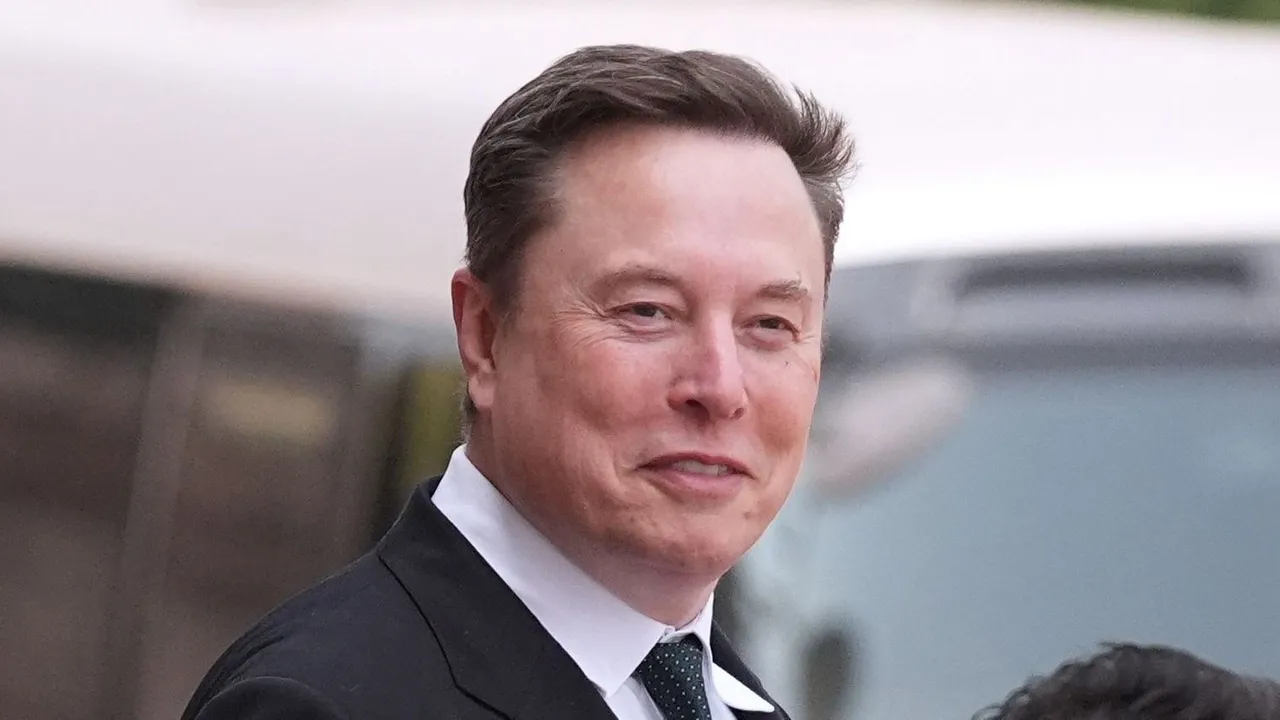
On June 12, 2026, Elon Musk — a South African-born American businessman — became the world's first person to reach a net worth of at least $1 trillion.
Both Forbes and Bloomberg reported on Sunday, June 14, that Musk's net worth had topped $1.1 trillion.
Musk's wealth rose sharply after the shares in his SpaceX company soared during a stock market debut.
SpaceX is a rocket, telecommunications, and artificial intelligence company, valued at $2.2 trillion on its first day on the US-based Nasdaq stock exchange.
Significant control
Musk owns approximately 42% of the firm's total equity. This gives him significant control over everything it does.
Following its listing, the shares of SpaceX closed the day at $161 each on June 12, with the initial trading raising $75 billion.
Musk's shares in SpaceX are worth at least $767 billion, according to Bloomberg.
For now, the company's valuation is largely based on optimism about its business potential. Currently, it loses more money than it makes.
Can fully finance Africa's leading economies
That aside, what can $1 trillion do in the African context?
First, using the budget estimates of Africa's 20 leading economies, Musk's net worth can fully finance all of their budgetary needs for a full year without borrowing, and still leave an unused amount of nearly $300 billion.
South Africa, Algeria, Egypt, Morocco, Angola, Nigeria, Kenya, Côte d'Ivoire, Tunisia, and Tanzania have the continent's 10 most expensive annual budgets, ranging from $21 billion to $128 billion.
A TRT Afrika analysis of the continent's top 20 national budgets for 2025 totalled around $715 billion.
Education
Turning to education, for illustrative purposes, we would use the African city with the highest cost of educating a child under the international curriculum — and that is Kenya's capital, Nairobi, according to the International Schools Database.
In Nairobi, the average fee at an international school is around $7,100 yearly. This means that Musk's net worth of $1.1 trillion can finance the education of nearly 155 million students for a year.
For an average of 12 years in elementary education, which excludes college learning, Musk can sponsor nearly 13 million children at an international school in Nairobi.
And on healthcare, South Africa's average annual healthcare cost per person is the highest in Africa.
Fifty-five Dangote refineries
According to the World Bank, an average person in South Africa spends around $540 on healthcare yearly. Musk's net worth can treat 2 billion people — or a quarter of the world — under the South African health care system for a year. That would strain hospitals there.
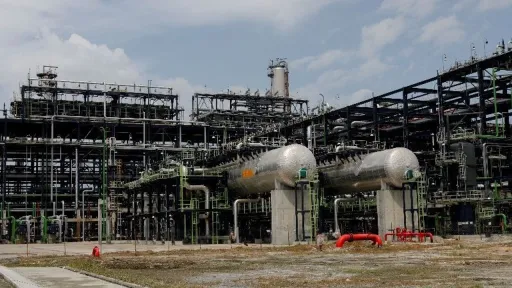
Africa's largest refinery is the $20-billion Dangote refinery in Nigeria. Musk's riches can build 55 of them.
And finally, in sports, Africa's most expensive stadium is South Africa's Cape Town Stadium, built at a cost of $600 million, and completed in 2009. Musk can construct 1,833 of those.
Let us add the caveat that Musk does not actually hold $1.1 trillion in cash. Most of his wealth is tied up in company shares that must be sold to convert them into cash.