The European Commission has said that Turkish goods and components would be considered “Made in EU” under a proposed industrial policy initiative, allowing them to qualify for certain public subsidies and auctions within the bloc.
The move reflects the EU’s intention to maintain close trade and industrial ties with Türkiye.
The development comes in the wake of the Industrial Accelerator Act, which would introduce a “Made in EU” requirement for public procurement and state aid programmes aimed at strengthening the bloc’s industrial base.
Officials say the initiative seeks to support European manufacturing and counter what the EU views as unfair global competition.
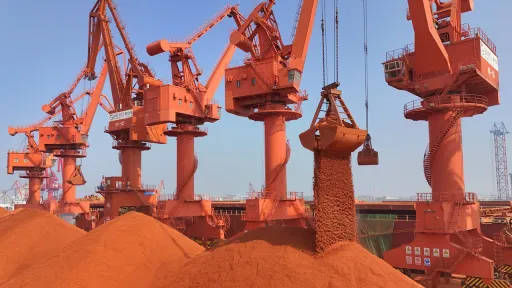
European industries, particularly sectors such as clean technologies, cement, steel and aluminium, have been under pressure, especially from Chinese producers.
Under the plan, the EU intends to use public procurement programmes, subsidies and tenders to increase demand for low-carbon and strategically important industrial products manufactured in Europe.
EU plan boosts Turkish auto exports
The EU and Türkiye are linked through a Customs Union and the proposal provides certain clarifications and assurances for Turkish companies operating in Europe and for goods imported from Türkiye.
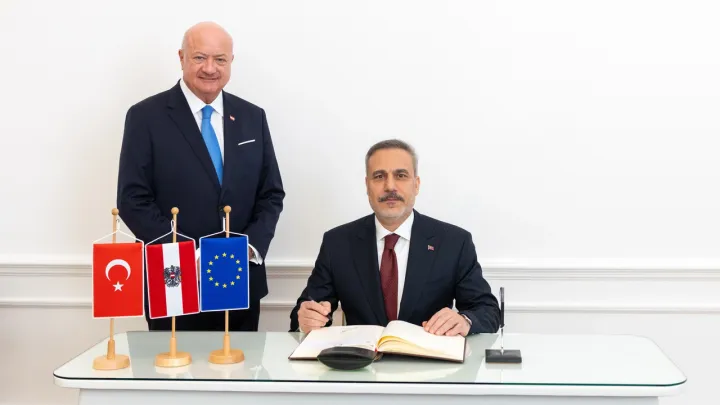







However, Turkish companies would not currently be able to directly participate in EU public tenders, such as contracts to rebuild a school or hospital in France, because of a lack of reciprocal access to Türkiye’s public procurement market, a European Commission spokesperson said. That situation could change in the future.
Despite that limitation, goods such as cement or aluminium purchased by European companies from Türkiye could still be used in projects financed through EU public procurement programmes.
“For public subsidies and also auctions, Türkiye, as the proposal stands now, would have full access equivalent to the status of EU member states,” the spokesperson said.
“This means that Türkiye remains an important partner which we want to keep close and want to keep trading with.”
The spokesperson also highlighted the long-standing supply chains between EU countries and Türkiye, saying the bloc aims to preserve these networks.
“The good news is that Turkish companies and also Turkish goods will qualify as made in EU when it comes to having access to public subsidies and also auctions,” the spokesperson said.
The measure is seen as particularly important for automotive components, a sector in which Türkiye plays a major role in the European supply chain.
Under the current proposal, while Turkish firms would not have direct access to EU public procurement markets, components and goods sourced from Türkiye by EU companies that win public tenders, such as firms from Spain, France or Belgium, would still qualify under the scheme.