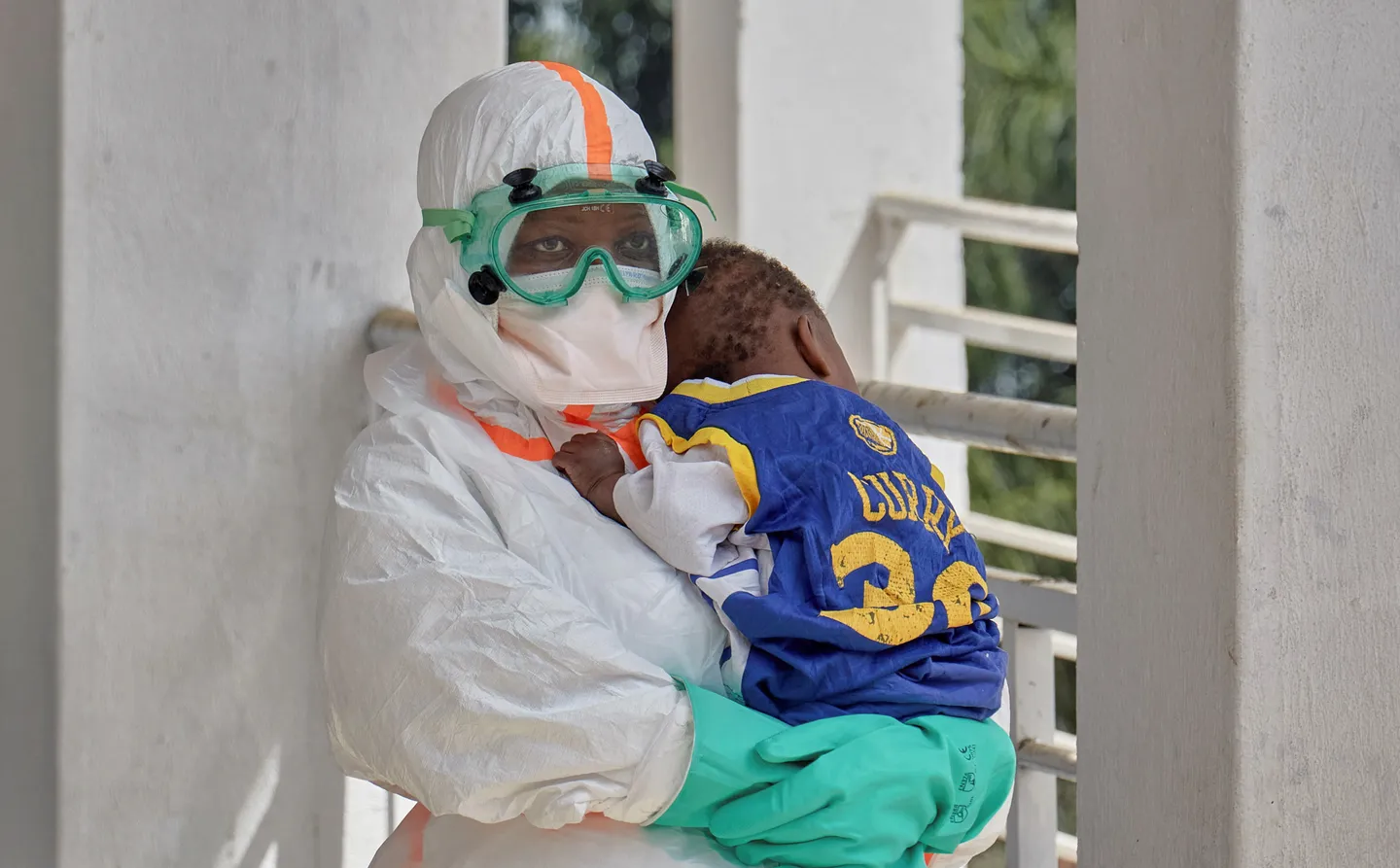
The World Health Organization said on Tuesday that a deadly Ebola outbreak in the Democratic Republic of Congo could be four times bigger than official figures suggest.
According to the DR Congo's latest official figures, the hemorrhagic fever has infected more than 1,960 people and killed over 700 since it was detected two months ago.
But WHO emergencies director Chikwe Ihekweazu told reporters in Geneva that its modelling indicated "the scale of the outbreak is at least two to four times the number of cases that we have found".
According to official numbers, this is already one of the largest Ebola outbreaks recorded, with the virus spreading faster than ever seen before.
‘Third-largest Ebola outbreak’
"This is now the third-largest Ebola outbreak ever, and we've seen the fastest growth in a single month since the outbreak started, and of all the Ebola outbreaks that we've managed," Ihekweazu said.
The DRC's 17th Ebola outbreak was declared on May 15 after several deaths in Ituri, a mineral-rich northeastern province plagued by armed groups.
Cases of Ebola, which spreads through close contact and infected bodily fluids, have so far been found in five DRC provinces, as well as in neighbouring Uganda.
But more than 90 percent of cases are still being detected in Ituri, Ihekweazu said.
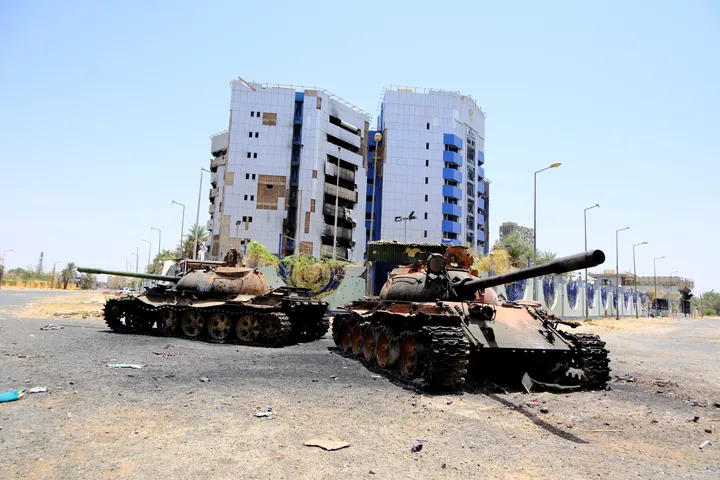







Just back from a week-long trip to the region, the doctor said the crisis remained "deeply concerning".
Virus outpacing response
The outbreak, which is caused by the rare Bundibugyo species of Ebola, for which there is no approved vaccine or treatment, "continues to outpace the response efforts by the national authorities, international partners, including WHO, and the communities most affected", he said.
"Perhaps the most alarming finding is that many newly reported cases are individuals who died in their communities, without ever reaching a health facility and receiving care."
Ihekweazu nonetheless said he was encouraged to see a ramping up of the response.
"Treatment capacity now exceeds 700 beds and continues to increase each week; laboratory capacity has expanded dramatically... and contact follow-up rates are approaching 80 percent," he pointed out.
He noted that "over the last few days, we've seen some of the highest numbers of new infections in a single day".
"A few days ago, we saw over 80 cases confirmed in a single day," he said, adding though that this is actually "good news", as it shows that fewer cases are escaping detection. "It's a sign of a maturing response".