The rights of people with disabilities in Kenya have received a boost this week after the National Assembly passed the Kenyan Sign Language Bill.
The bill, co-sponsored and presented by MPs Ummulkeir Harun and Millie Odhiambo-Mabona, is aimed at improving access to education, justice, healthcare and public services for deaf, hard of hearing and deafblind people.
Parliament passed it on Wednesday with amendments, moving Kenya closer to strengthening the formal recognition and mandatory use of Kenyan Sign Language across public institutions.
If enacted, the legislation will establish the Kenya Sign Language Council, a statutory body mandated to regulate, promote and develop Kenyan Sign Language.
The Council will register professional interpreters, set standards for training and practice, and advise the government on policies affecting the deaf community.
According to the Kenya National Association of the Deaf, the bill contains a wide range of accessibility measures designed to expand communication rights and inclusion.
Key provisions include the integration of Kenyan Sign Language into school curricula, alongside free interpretation services in public higher learning institutions.
Step towards inclusion
The bill also provides for structured sign language lessons for parents and guardians of deaf children.
In the media and communications sector, television stations will be required to provide closed captioning and Kenyan Sign Language interpretation during news broadcasts, educational programmes and national events.
Internet-based video content will also be required to include captions or transcripts, while telecommunications providers will be expected to establish relay communication services to support users with hearing disabilities.
According to the United Nations Population Fund, citing Kenya’s 2019 population census, there are about 900,000 persons living with disabilities in the East African country, accounting for 2.2% of the population. Women make up 57% of all persons living with disabilities.
Speaking after the passage of the bill, MP Millie Odhiambo-Mabona welcomed the reforms, describing them as a major step towards inclusion for people living with disabilities, more than 80% of whom live in rural areas.
Realising full potential
“This means children will learn three languages in school: English, Kiswahili and Sign language. Kenya is one of seven countries worldwide to undertake this bold step towards inclusion of deaf persons,” Odhiambo-Mabona said.






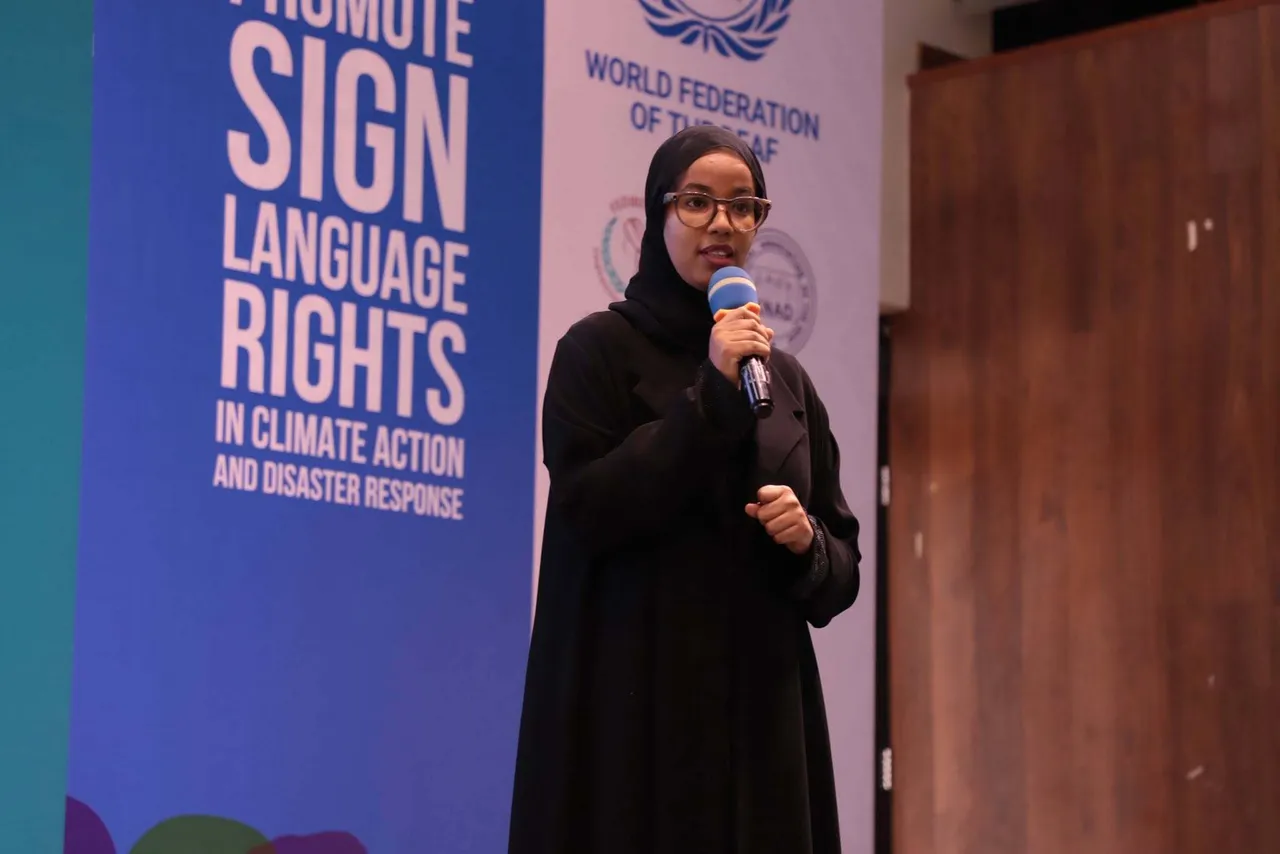
For Ummulkeir Harun, the bill represents the culmination of a long-running advocacy effort that began before she became an MP.
“This journey began in 2019, when I first proposed the idea to Members of Parliament, never imagining that one day I would have the honour of serving in the House myself. By the grace of Allah, I was nominated to the 13th Parliament, and I am proud to have played a part in turning this important piece of legislation into reality,'' she said.
“The bill will strengthen the rights and inclusion of people who are deaf and deafblind, ensuring greater access to education, information and essential public services. Every child deserves equal access to quality education and the opportunity to realise their full potential,'' the MP added.

“I extend my heartfelt gratitude to everyone who supported this initiative, contributed to its development and believed in this cause. This achievement belongs to all of us.”
Ummulkeir Harun has been associated with advocacy for inclusion and equal access to public services, particularly for persons with disabilities.
Equal status with spoken language
Supporters of the legislation say it would significantly reduce communication barriers and expand access to education, healthcare, justice and public information for thousands of deaf and deafblind Kenyans.
If eventually signed into law by the Kenyan president, the bill will place Kenya among a small group of countries adopting comprehensive legal protections for sign language users, reinforcing constitutional commitments to equality, inclusion and non-discrimination.
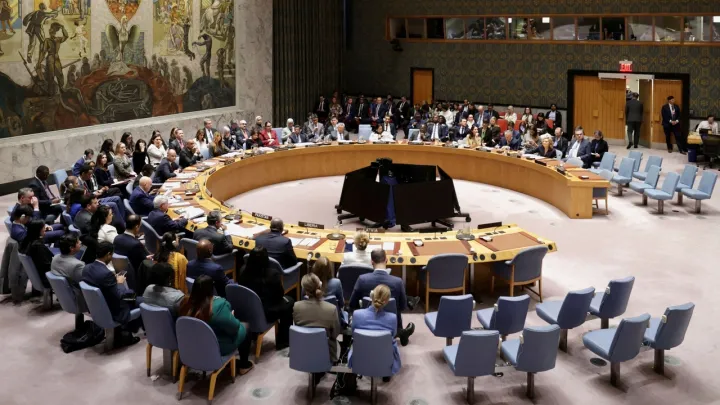
The United Nations recognises sign languages as equal in status to spoken languages and protects them as core components of linguistic and cultural diversity.
The UN Convention on the Rights of Persons with Disabilities (CRPD) legally obligates member states to facilitate the learning of sign language and promote the deaf community's linguistic identity.
According to the World Federation of the Deaf, there are more than 70 million deaf people worldwide. More than 80% of them live in developing countries. Collectively, they use more than 300 different sign languages.
''Sign languages are fully fledged natural languages, structurally distinct from the spoken languages,'' the UN says.