 Sare Şanlı
AI servers. Electric vehicles. Defence systems. Energy storage. The world is racing to build the future, and this time, the biggest obstacle is neither money nor technology. It is time. For giant corporations, a halt in production means losing market share to a competitor that didn't stop.
That urgency has turned mining into a geopolitical battlefield. The US, Europe, and Japan are racing to break China's stranglehold on Africa’s critical minerals, and none of them can afford to blink first.
By 2050, demand for lithium is expected to rise tenfold. Demand for cobalt? Triple. Just four minerals — copper, nickel, cobalt, and lithium — could generate roughly $16 trillion in revenue over the next 25 years.
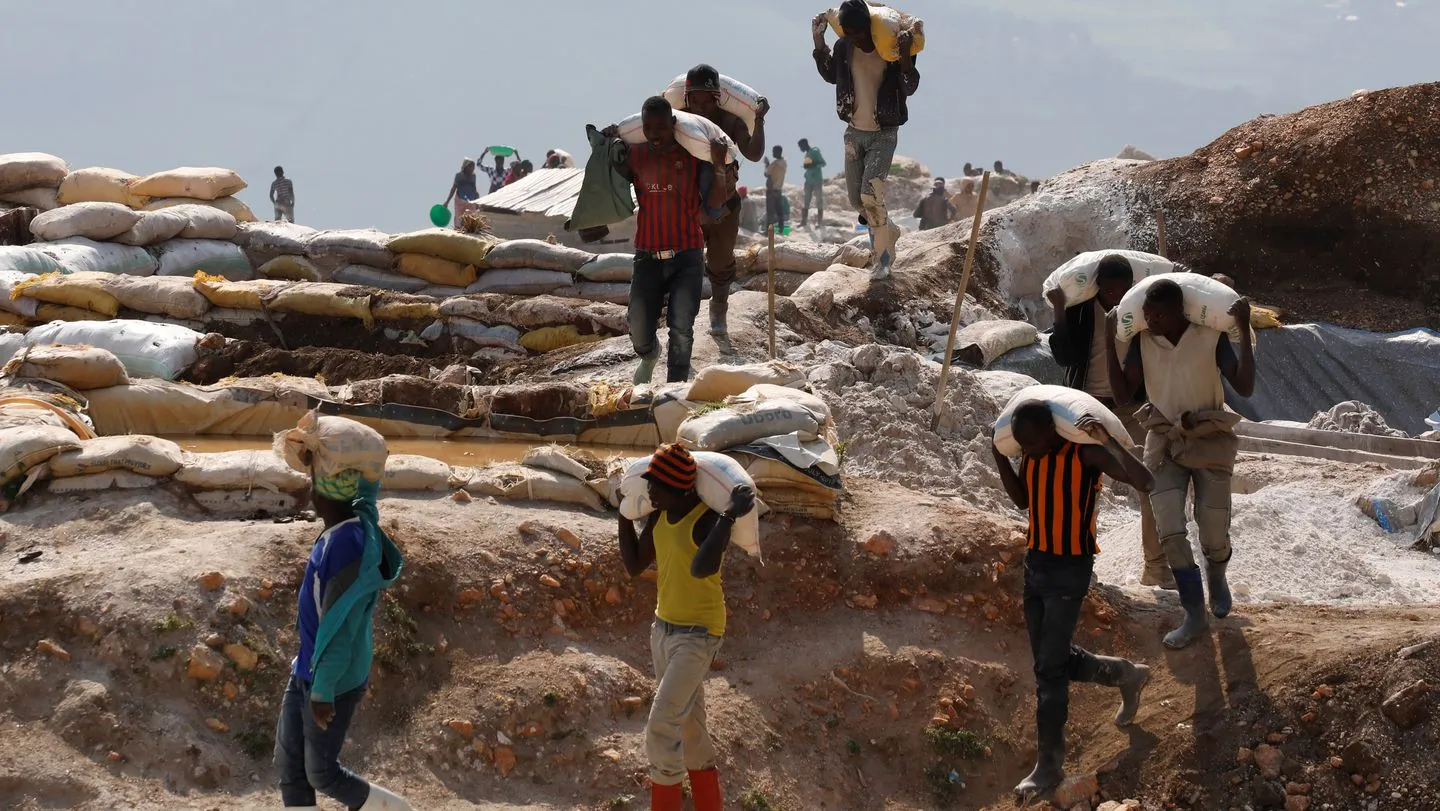
Africa sits on trillions of dollars' worth of mineral resources but for decades has never received its fair share raw ores are dug up, shipped out, refined elsewhere, and turned into branded products, where the real money is made. Africa watches the value grow in someone else's hands.
But something is shifting. While global powers urgently need Africa’s minerals, more African countries are now drawing a line.
Zimbabwe, the Democratic Republic of Congo, Mozambique, and Gabon have all moved to restrict exports of raw or minimally processed minerals. The continent is refusing to remain the world’s cheap raw material depot. African countries once again have real leverage, but the difference this time is whether they can convert it into lasting capacity.
An export ban is a strong start, but it risks pushing trade underground, with ore flowing illegally across borders and being sold at even lower prices. The continent loses twice, first the value of the mineral, then the revenue from its sale. That is why Africa does not just need to stop exports; it needs to capture more of the value chain.
Imagine a farmer who has spent years selling only raw wheat. One day, he announces he will no longer sell raw wheat. But he has no mill, pasta factory, bakery, or infrastructure to process or store his harvest. So what has changed? He still cannot sell flour, pasta, or bread. He is simply left holding raw wheat he cannot process.
China’s grip
China’s stranglehold is precisely the dependence Africa is now trying to break. According to the International Energy Agency, China controls around 60% of global rare earth extraction. But when it comes to separation and refining, that figure jumps to a staggering 91%. It controls over 80% of graphite. Nearly all of the world's gallium also passes through Chinese refineries. https://www.iea.org/reports/rare-earth-elements/executive-summary
Over decades, Beijing built an integrated system spanning extraction, logistics, refining and manufacturing, allowing much of the value to accumulate in China.
And that matters because the greatest economic gains often come further down the chain, during processing and manufacturing not simply from extracting the ore.
That brings us to Africa’s dilemma: if China builds the refineries, the existing dependence continues. If Western companies build them, another form of dependence may emerge. The immediate priority, therefore, is not who builds the facilities, but who controls the terms. The long-term goal should be African-built and African-owned capacity.
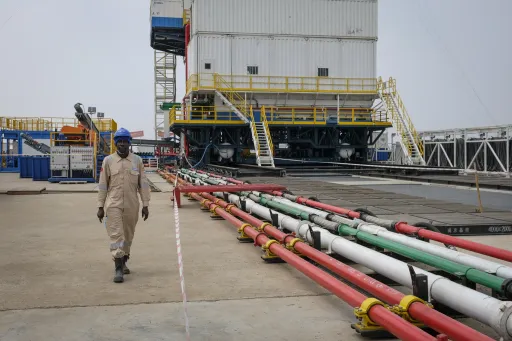
But building a refinery is not just about capital. It requires massive, uninterrupted energy infrastructure. Many African countries still struggle to meet basic electricity needs.


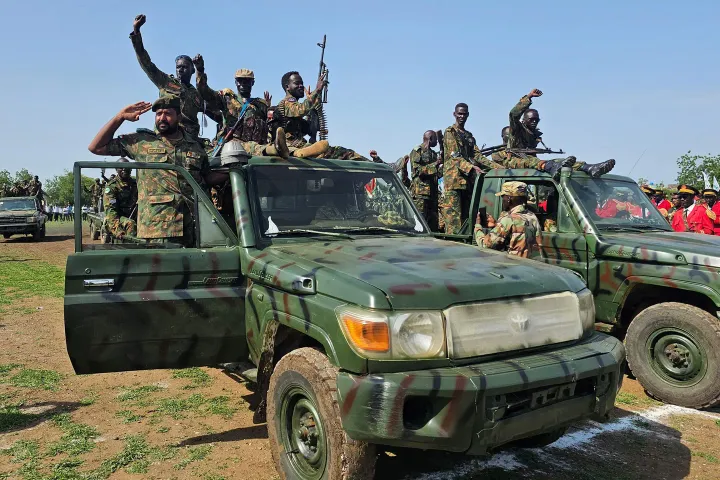
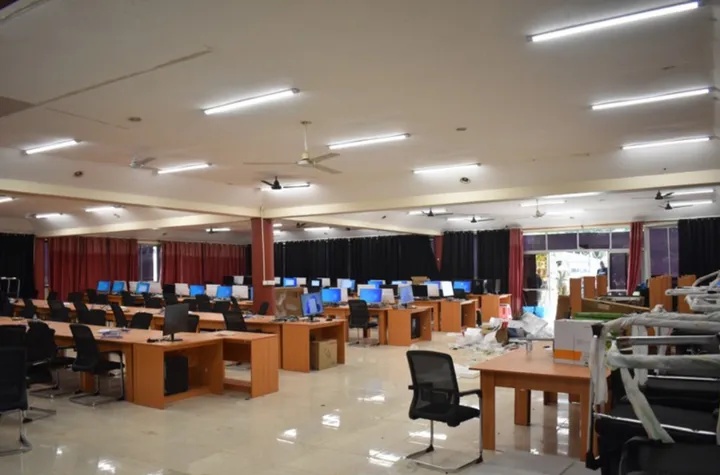




Beyond infrastructure, the continent faces another uncomfortable truth: modern mining creates very few direct jobs. In mining-dependent countries, the sector typically accounts for just 1% to 4% of formal employment. As robotics, autonomous machinery, and AI-driven automation spread, even that limited employment footprint could shrink further.
If the jobs are disappearing anyway, the question Africa asks investors has to change. It should no longer be"How many unskilled workers will you hire?" but "How many African engineers and software developers will you train?"
Africa’s leverage
Africa knows what lies beneath its soil, but that is not its main leverage. The advantage lies in urgency, as buyers cannot afford to wait. Washington wants to break free from China's mineral grip as quickly as possible. So does Europe. So does Japan. None of them can afford to wait — not the EV makers, not the data centres, not the defence contractors racing to secure supply before a rival does.
However, urgency alone will not be enough for economic prosperity. It must be converted into something lasting before it fades. Technology transfer rarely comes free, so African countries will have to demand it outright: laboratories, refineries, research centres, and training for their own metallurgists, geologists, and software developers, built into the terms of every deal. Alongside that, Africa will need its own R&D ecosystem that connects universities with industry.
A Cautionary Tale
Many Arican countries can learn from is Indoniesa. After banning raw nickel exports, the Southeast Asian nation, attracted a wave of investment in domestic processing. Nickel export values surged several times over.
But there was a catch most of those refineries were built by Chinese companies, and they came with severe environmental costs, including widespread deforestation and pollution. It is a cautionary tale that Africa should study closely.
Still, the clock is ticking. Africa cannot afford to waste its own time while selling it to others. As new reserves are discovered, recycling improves and alternatives such as sodium-ion batteries become more viable, demand for lithium and cobalt could fall faster than projected. The window may be narrower than it seems.
Africa's real wealth today is not the cobalt, lithium, or graphite buried in its soil. It is the bargaining power that comes from a world desperate for those minerals.
If used wisely, this moment could finally turn underground resources into lasting development. If wasted, the only thing that will change in the next decade will be the flags on the mining trucks not the poverty in the villages.
Disclaimer: The views expressed by the author do not necessarily reflect the opinions, viewpoints and editorial policies of TRT Afrika.