Sudan has lifted a two-year-old curfew and a previously declared state of emergency in Khartoum, the government’s Security Affairs Coordination Committee announced on Thursday.
According to Sudanese media, the committee lifted a state of emergency first imposed in 2024, saying Khartoum residents would henceforth be allowed to move and work around the clock.
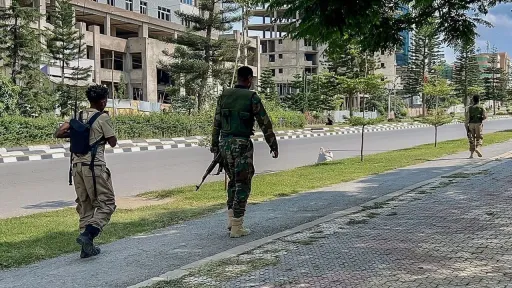
However, after a meeting chaired by Khartoum Governor Ahmed Othman Hamza, the committee clarified that security checkpoints and army patrols would continue operating.
It also urged residents traveling late at night to carry identification documents with them.
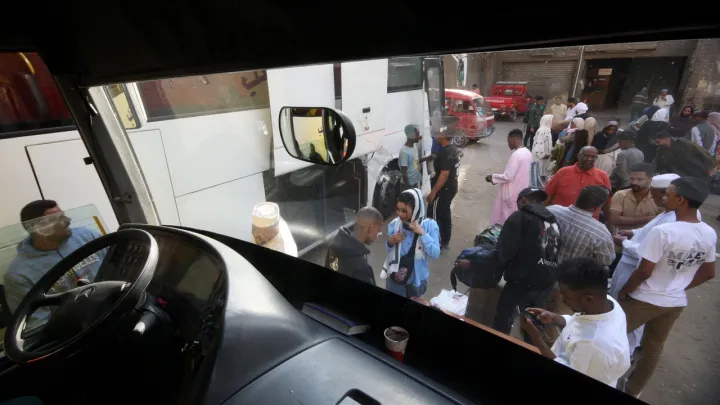
The committee also banned foreign nationals from entering Khartoum State -- except those holding valid entry visas or permits -- by either public or private transport, including trains and buses.




It also warned drivers and transportation companies that violators would face penalties.
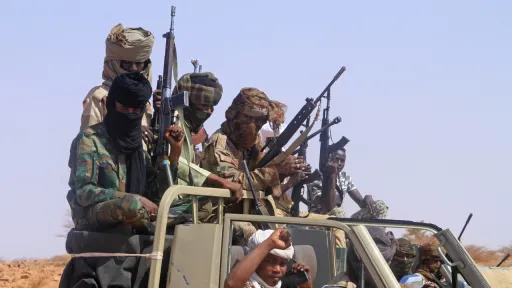
The curfew was first imposed in May 2024 amid deteriorating security conditions linked to the conflict between the Sudanese army and the paramilitary Rapid Support Forces (RSF).
The curfew had restricted the movement of people and vehicles from 11:00 PM to 5:00 AM and banned all commercial traffic and pedestrian movement from 10:00 PM to 5:00 AM.
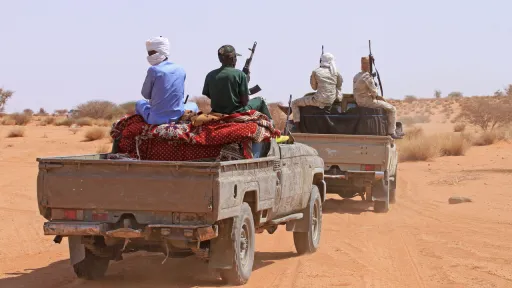
Since April 2023, Sudan has been engulfed in conflict between the army and the RSF.
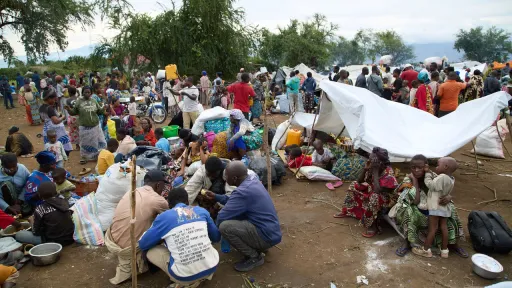
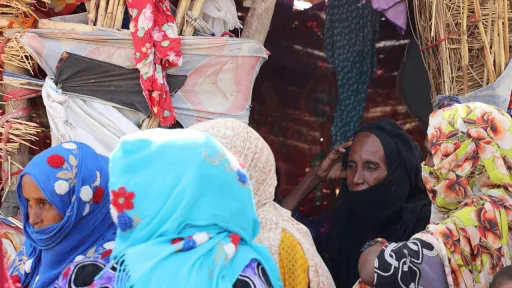
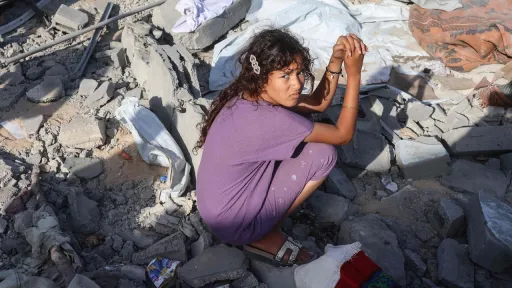
The ongoing war has killed tens of thousands of people and displaced some 13 million others, according to UN and international estimates.