The concept of peacekeeping mission is an ad hoc international security intervention that involves the use of collaborative effort to help countries experiencing conflicts and instability, in their task of sustaining the conditions necessary for lasting peace and development.
For African countries facing complex security challenges, terrorism and insecure borders, the buffer approach of peacekeeping missions alone is an insufficient stopgap remedy.
Far beyond monitoring ceasefire, political armistice, and transitions, the internal capacity of safeguarding fragile peace, protecting civilians, and preserving the state’s authority over non-state actors is the ultimate guarantor of regional and continental peace.
In their search for an adaptive national security framework, African nations have found a veritable security partner in Türkiye, through win-win engagements that combine bolstering military capability and geopolitical diplomacy.
Türkiye’s hybrid model of diplomatic mediation and military support to African countries is helping the continent in keeping peace through the strength of state capabilities to address domestic existential challenges.
Lessons from UN peacekeeping missions
The first United Nations peacekeeping operation in Africa began in the 1950s, in the form of military observer missions charged with maintaining ceasefires during the 1956 Suez Crisis in Egypt.
Since 1960 when the UN launched its first large-scale peacekeeping mission with a 20,000-strong military deployment in the Congo, the global watchdog has so far executed around 30 peacekeeping operations with military, police, and civilian personnel in Africa.
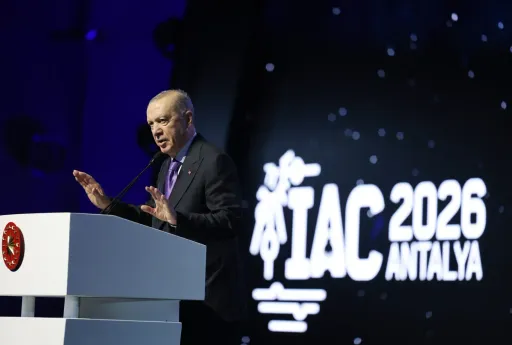
As one of the 51 founding members of the United Nations, Türkiye has consistently participated in UN peacekeeping operations across Africa. Turkish personnel have paid the ultimate price while serving under the UN flag in some of these operations.
Türkiye has participated in African peacekeeping and political missions including UNAMSIL in Sierra Leone, MONUC in DR Congo, UNMIS in Sudan, UNOCI in Côte d'Ivoire, ONUB in Burundi, UNMIL in Liberia, MINUSCA in the Central African Republic, UNAMID in Darfur, MINUSMA in Mali, and UNSOM in Somalia, thus variously meeting the expectations of its global contribution.
When the UN Peacebuilding Commission was established to fund post-conflict stabilization and peacebuilding in Africa in 2005, Türkiye was a founding member and financial contributor.
Building on its years of participation in African peacekeeping interventions, Türkiye has moved a step further by lending broader support to national governments in building domestic and regional capacity to keep the peace.
The success of this dual strategy is evident in Türkiye’s efforts in resolving instability in Libya, mediating between Somalia and Ethiopia, supporting ceasefire between Rwanda and the Democratic Republic of Congo, as well as military cooperation with several African states.
Mediation and political diplomacy
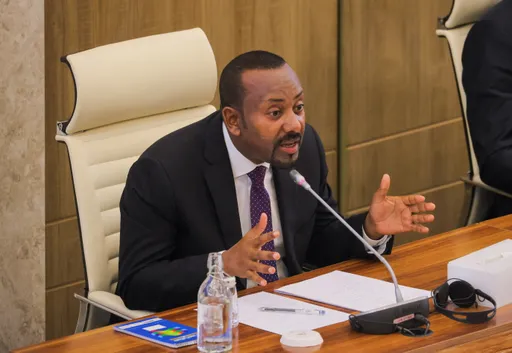
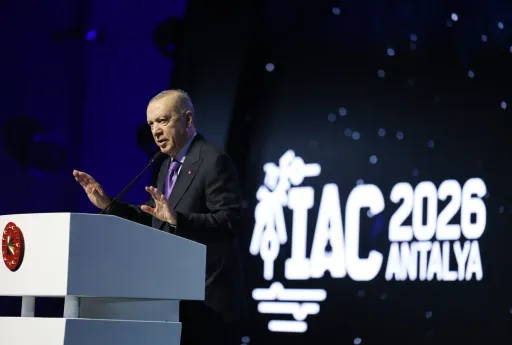
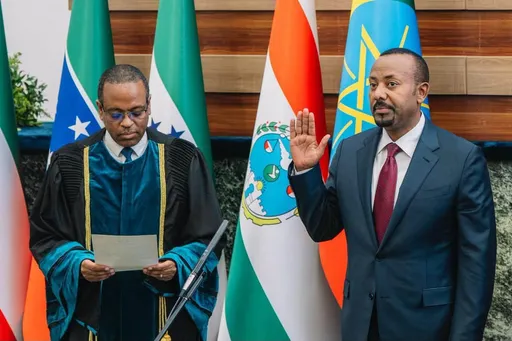
December 2024 was a historic moment in African peacebuilding as Ethiopian and Somali leaders signed the “Ankara Declaration”, a joint declaration by Ethiopia and Somalia following a successful mediation by Türkiye’s President, Recep Tayyip Erdoğan.
About a year prior, a diplomatic dispute had broken out between the two neighbors in January 2024 when Ethiopia signed a deal with Somalia’s breakaway region of Somaliland, to use the Red Sea port of Berbera.
The Ankara Declaration signing was physically attended by Somalia’s President Hassan Sheikh Mohamud, and Ethiopia’s Prime Minister, Abiy Ahmed at a widely celebrated event in the Turkish capital, Ankara.
The agreement was credited with rebuilding a diplomatic bridge that eased tensions between the two east African nations, who subsequently restored full diplomatic representation and bilateral relations.
Another high point of the Turkish diplomatic model in Africa was witnessed during the recent violent conflicts by proxy militias in the eastern Democratic Republic of Congo, which the DRC blamed on Rwanda.
During a January 2025 visit to Türkiye by the President of Rwanda, Paul Kagame, President Recep Erdoğan confided to his counterpart that Türkiye was ready to mediate between Rwanda and its estranged neighbor.
"Türkiye is ready to provide all necessary assistance for the resolution of the crisis between Rwanda and the Democratic Republic of Congo", declared President Erdoğan, who later praised the two countries’ eventual ceasefire agreement.
Elsewhere to the north of Africa, the Turkish policy of peace through mediation and soft diplomacy has yielded positive fruits for Libyan and Sudanese governments, who are gradually reasserting their territorial security mandates.
In Libya, Ankara is at the forefront of rallying global support for the Tripoli-based internationally recognized Government of National Unity, led by Abdulhamid Dbeibah, who came to power through a UN-backed process in 2021.
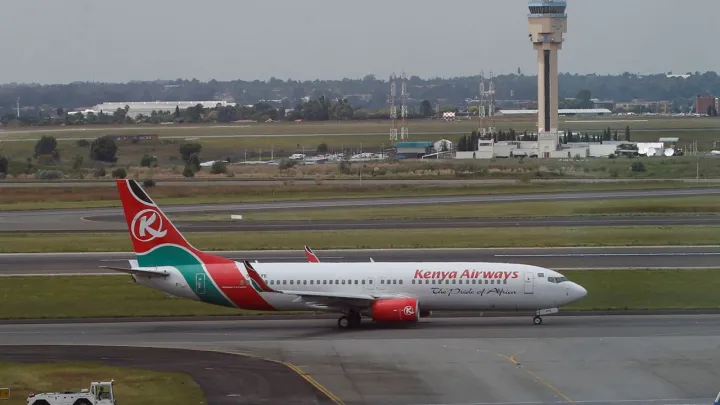

In doing so, Türkiye maintains a policy of extending the olive branch to the eastern Libya-based House of Representatives, supported by General Khalifa Haftar's Libyan National Army.
In Sudan, a country embroiled in years of civil war, Türkiye has established itself as a strategic global supporter for the legitimate authority of the Sudanese Armed Forces (SAF) fighting to save the country from the rebellious paramilitary Rapid Support Forces (RSF).
As recently as last June, Türkiye’s Ambassador to Khartoum, Fatih Yildiz has called on the international community to take concrete action against external actors supporting the paramilitary group.
Defence outreach to Africa
For Türkiye, peacekeeping means a non-imperial approach to supporting African security governance. Türkiye's model inputs long-term political stability to African states by strengthening institutional capacity and tactical agility of national armies.
Building upon its years of active security participation in UN peacekeeping missions, Türkiye stands out for its proactive security cooperation and empowerment of national governments through security support and defence technology transfer.
In recent years, Türkiye has signed defence pacts with more than 20 African governments, a development that becomes a cost-effective security lifeline for many countries battling prolonged conflicts.
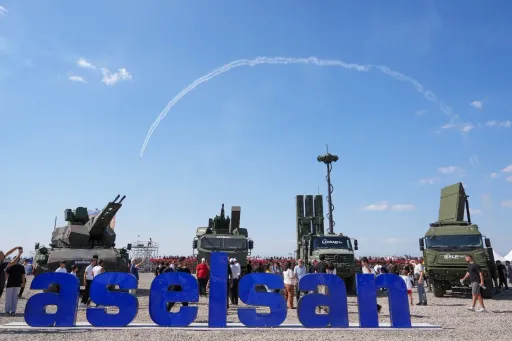
Nearly half of African countries have signed defense industry cooperation agreements with Türkiye, which give them generous access to Turkish weapons and military infrastructure.
The defence cooperation framework provides for easing weapons sales, complementary military training programmes, and joint protocols for combating terrorism and other security challenges.
From the Sahel to the Horn, African countries benefiting from Turkish defense investments include Niger, Burkina Faso, Mali, Chad, Algeria, Morocco, Ghana, Kenya, Mauritania, Nigeria, Senegal, Somalia, Rwanda, Uganda, South Sudan, Central African Republic, and the Democratic Republic of Congo DR.
Soldiers and officers from several African nations receive training in Türkiye or by Turkish military instructors in Africa, with officers from Mali and Niger recently graduating from a special forces camp in Isparta.
African military and defence officials are regularly invited to high-level defence industry summits and fairs in Ankara and Istanbul. Their forces face no diplomatic bottlenecks in accessing arms exports from Türkiye's defence industry.
Forging ahead
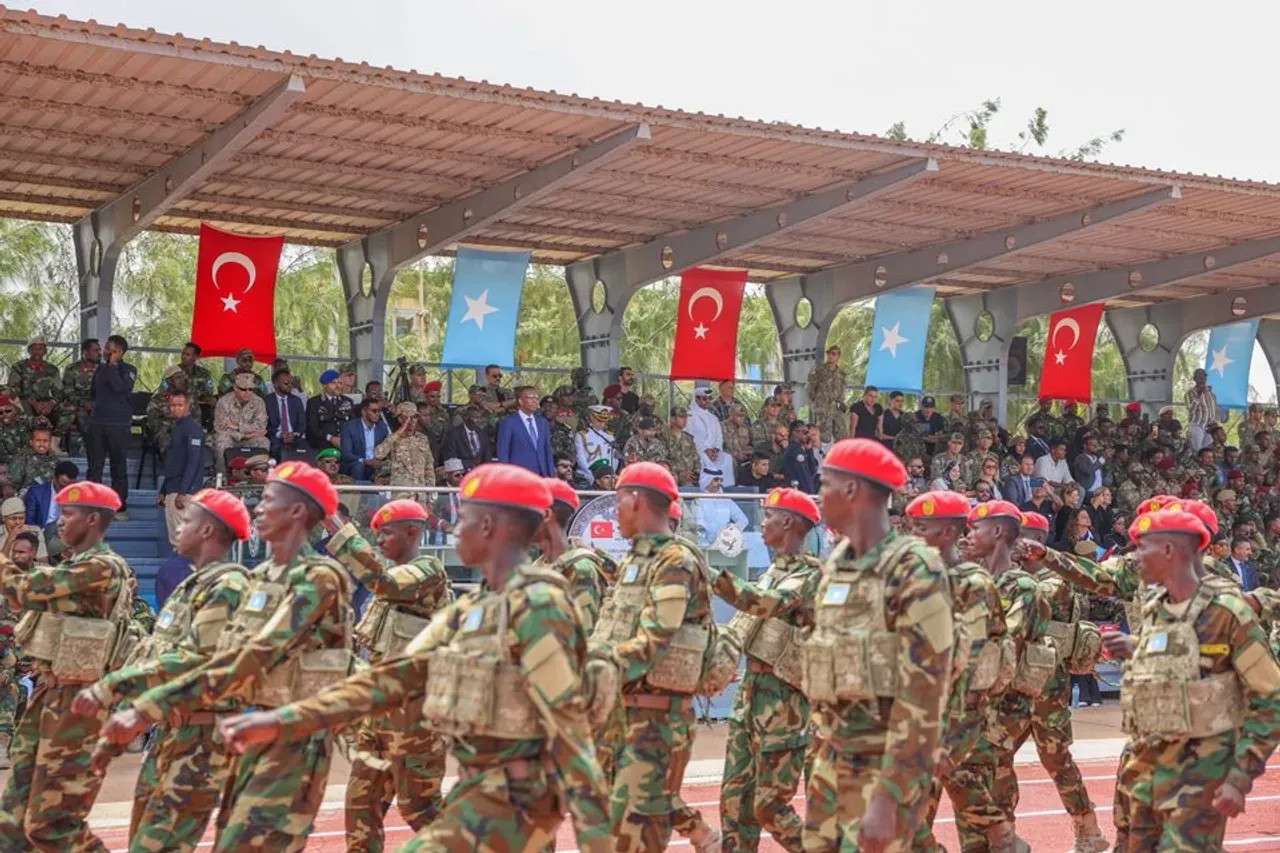
Somalia holds one major strategic example of this relationship. Since 2017, Ankara has provided the country with security assistance within the scope of comprehensive military agreements, with over 15,000 Somali army personnel as beneficiaries.
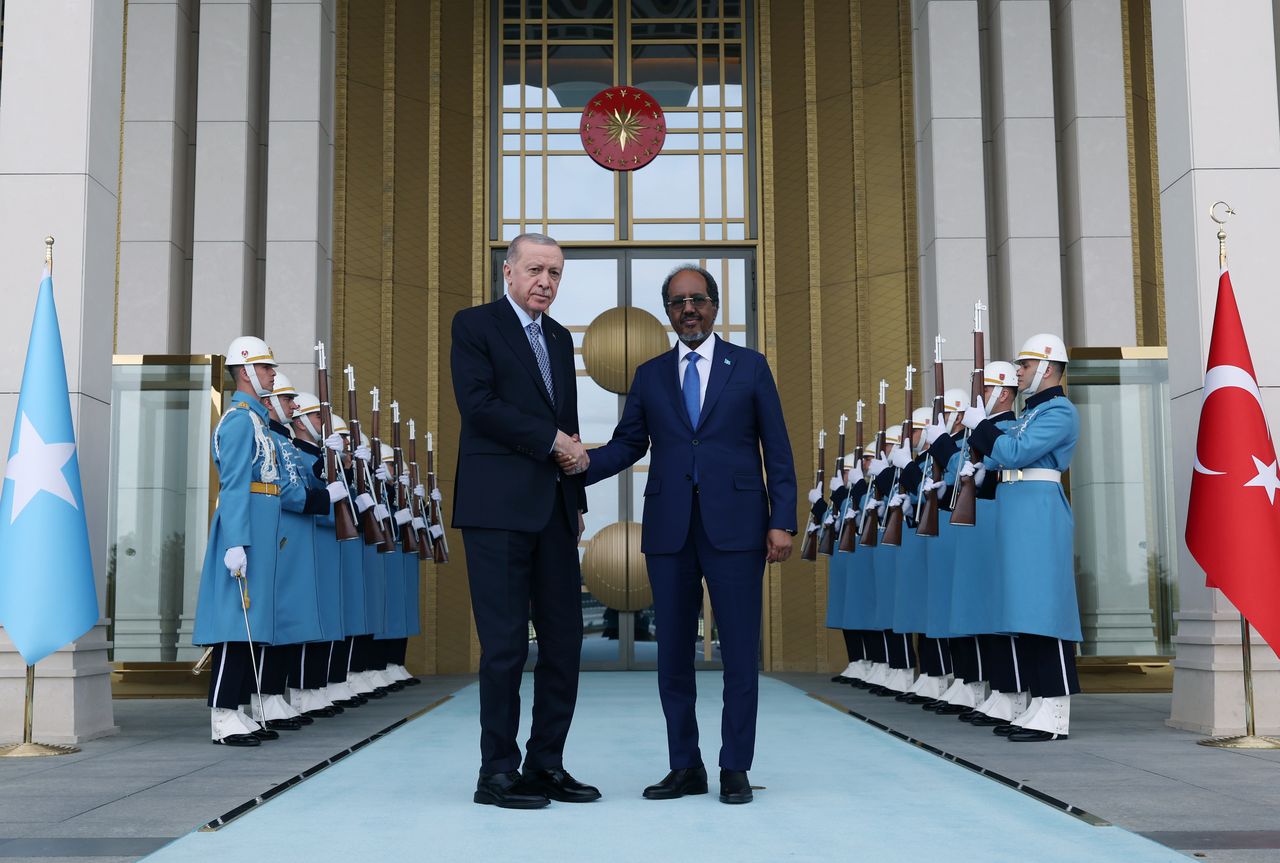
Turkish drones and other high-tech defense hardware have brought tangible security outcomes to the numerous African defence frontiers.
Helicopters and other security infrastructure sold by Türkiye to African nations have helped the continent’s critical counter-terrorism operations against terror groups like Boko Haram, Al-Shabaab, and Daesh.
Essentially, the Türkiye-Africa diplomacy and security model synergizes state-building interventions through mediation and military assistance, with the sole aim of bridging Africa’s defence gaps and enhancing the continent’s security resilience.
African governments and military forces are no longer at the mercy of Western arms embargo, military sanctions, and sovereignty-impugning foreign interference, which had previously paralyzed their effective operations.
To date, Türkiye's contribution to sustaining peace in Africa remains under the policy guidance of strategic bilateral engagement as partners with national governments.
From Mogadishu to Niamey, this approach is credited with stabilization of fragile states, reenergizing vulnerable militaries, and enhancing institutional credibility.
As more African countries enter into the fold of genuine cooperation with Türkiye, they open alternative doors to defence supplies critical to their national security interests, tactical preparedness, and power dynamics against subversive forces.