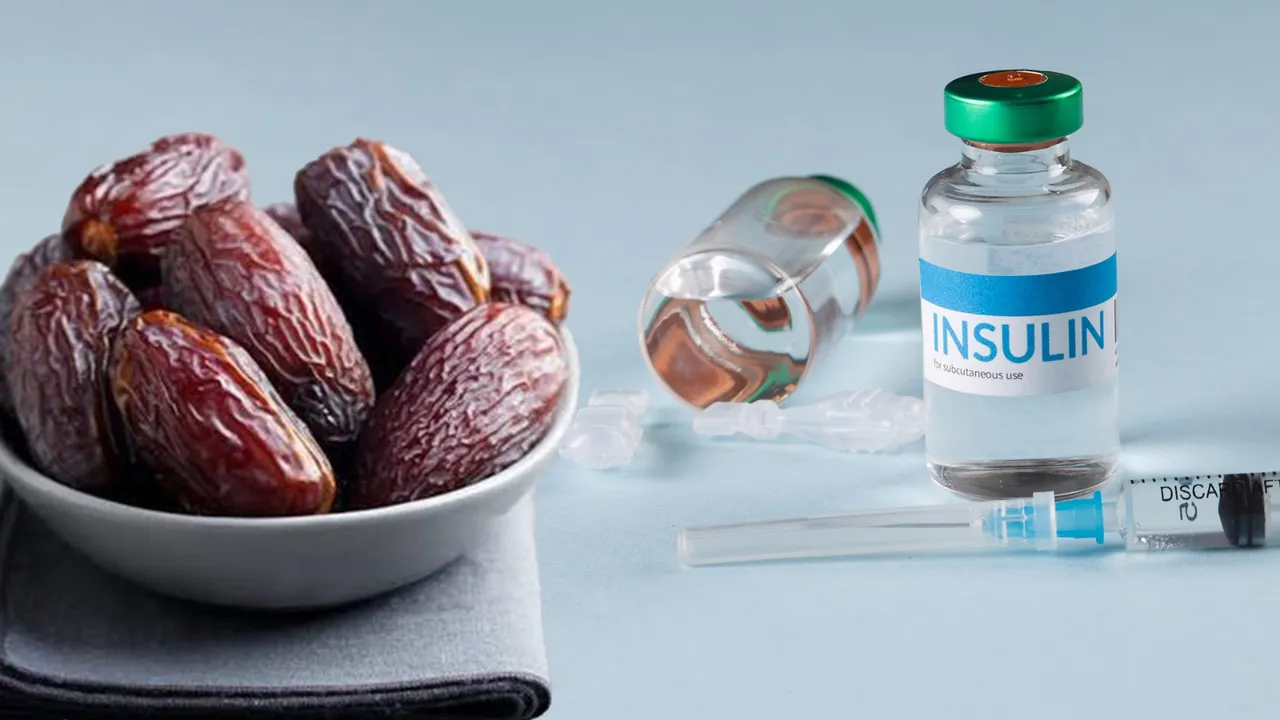
Millions of Muslims are observing the annual month-long Ramadan fast, the fourth pillar of Islam, with the faithful abstaining from eating and drinking from dawn to sunset.
It’s obligatory for adult Muslims, with exemption for certain people like pregnant women, frail elderly people, sick people, and women in their menstrual period. Some of those exempted are required to repay the fast after the month of Ramadan when the situation normalises.
Of the world’s 1.9 billion Muslims, nearly 25% of the global population, about 150 million live with diabetes, according to the Diabetes and Ramadan (DAR) 2020 Global Survey.
Diabetes is highly sensitive not only to what the patient eats but also when they eat, with insulin injections sometimes required during the day.
So, what happens to a fasting diabetic person?
According to medical advisors, fasting during Ramadan can be safely undertaken by some individuals with diabetes, but the decision should be informed by medical advice.
Health practitioners typically assess a patient's risk level using a validated scoring system that considers various factors, including diabetes management, type of diabetes, and any existing complications.
Avoiding complications
"Diabetic individuals with well-controlled blood sugar levels may be able to fast, but it's crucial to consult healthcare providers six to eight weeks prior to Ramadan to discuss individual circumstances and make informed decisions," says Professor Maimouna Ndour Mbaye, Director of the National Diabetes Centre, Abass Ndao Hospital, Dakar, Senegal.
Doctors also advise on proper tests to determine the ability to take relevant precautionary measures.
"Patients with Type 1 diabetes and those with poorly controlled Type 2 diabetes are generally at higher risk during fasting," Professor Maimouna tells TRT Afrika.
Additionally, pregnant women, individuals with additional complications like cardiovascular or kidney issues, or those on insulin are also at increased risk and require close monitoring throughout the fasting period, she says.
Some of the risks include hypoglycaemia (low blood sugar), hyperglycaemia (high blood sugar), and diabetic ketoacidosis, dehydration, and thrombosis.
According to Islamic teachings, Muslims are allowed to skip fasting on serious medical grounds. But for some, the spiritual duty to fast often outweighs the medical exemption.








Meals for maintaining energy
To reduce risk, Professor Maimouna advises that one should consult healthcare providers at least six to eight weeks before Ramadan to assess their level of risk and obtain personalised advice based on their health status.
"It is also very important to check levels regularly to adjust food intake and medication. Some may need to change dosage times, amounts or even type of diabetes medication," she adds.
Diabetic patients who fast should focus on low-glycemic, fibre-rich, and protein-packed foods during their pre-dawn (Suhoor) and breaking-fast (Iftar) meals to ensure slow, sustained energy release.
Nutritionists advise diabetics to consider the following types of food to maintain energy levels while fasting:
.jpg?width=512&format=jpg&quality=80)
- Complex carbohydrates: Whole grains, legumes, and starchy vegetables to provide sustained energy, which minimises blood sugar spikes and keeps hunger at bay.
- Fibre-rich foods: Fruits, vegetables, and whole grains to help maintain blood sugar levels.
- Healthy fats: Nuts, seeds, and avocados can provide essential nutrients while helping to stabilise blood sugar.
- Protein: Lean meats, fish, eggs, and dairy can help with satiety and energy levels.
What data shows
This year’s Ramadan coincides with the Christian fasting period of Lent, which means more people around the world are observing a fast, and these health tips could apply across religious backgrounds.
More than 800 million adults have diabetes worldwide – almost twice as many as previous estimates have suggested – and more than half of those aged over 30 who have the condition are not receiving treatment, according to a study published by the medical journal, The Lancet in 2024.
The highest rates of undiagnosed cases are in low- and middle-income countries, especially in Africa, the Western Pacific, and Southeast Asia.
Experts warn that late diagnosis increases the risk of kidney failure, blindness, and heart disease, among other complications.