 Omar Afrah
After decades defined by protracted conflict, fragile political transitions and the painstaking reconstruction of state institutions, Somalia has arrived at a decisive constitutional juncture.
The recent approval by the Federal Parliament of key chapters of the revised Provisional Constitution represents one of the most consequential political developments since the country adopted its initial constitutional framework in 2012.
For Somalia, a functioning constitution is far more than a formal legal instrument. It constitutes the foundational architecture upon which political legitimacy, democratic governance and national cohesion must ultimately rest.
The latest parliamentary progress therefore represents not merely a procedural milestone, but a potentially transformative moment that could enable Somalia to move gradually beyond the provisional political arrangements that have characterised its post-conflict recovery.
The significance of this moment lies not only in the institutional progress achieved thus far, but also in the possibilities it creates for the future trajectory of Somali governance.
A Protracted Constitutional Journey
Somalia’s contemporary constitutional journey formally began in 2012 with the adoption of the Provisional Constitution following more than two decades of state collapse and transitional governance.
That framework established the initial foundations of a federal system while articulating core principles relating to democratic governance, the rule of law and the protection of fundamental rights.
From its inception, however, the constitution was intentionally conceived as an interim framework.
Several complex and politically sensitive issues—including the precise distribution of authority between federal and state institutions, electoral mechanisms and broader questions regarding the architecture of governance—were deliberately deferred for subsequent negotiation.
This incremental approach reflected the political realities of the time. Somalia was emerging from years of institutional fragmentation and violent conflict. Forging consensus among diverse political actors, federal member states and traditional authorities required flexibility, patience and a gradual process of dialogue and accommodation.
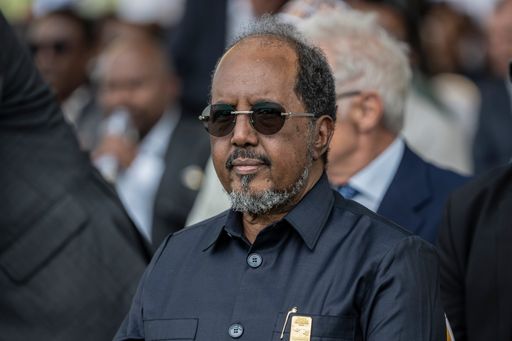
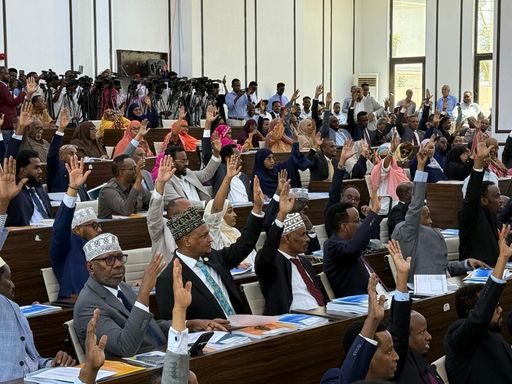
More than a decade later, the constitutional review process appears to be entering a more decisive phase. Parliamentary approval of revised chapters represents a tangible step toward completing the constitutional architecture that has guided Somalia’s political transition for over ten years.
For those who observed the early stages of this process, the present moment carries particular historical resonance. I had the privilege of witnessing the landmark 2012 conference at School Polizio Hall, where Somali traditional leaders, political actors and national stakeholders convened to reach agreement on the Provisional Constitution.
As part of the technical team supporting the facilitation of that conference, I observed firsthand the mixture of urgency, pragmatism and cautious optimism that shaped those deliberations.
Participants understood that the constitution represented only the beginning of a far longer national undertaking. It was designed to serve as a roadmap for rebuilding state institutions and restoring political legitimacy in a country that had experienced prolonged institutional collapse.
Recognising Collective Leadership
The advancement of Somalia’s constitutional review process reflects sustained collective effort across the country’s political and institutional landscape.
Leadership from the President of the Federal Republic, H.E. Dr. Hassan Sheikh Mohamud, the Prime Minister, H.E. Hamza Abdi Barre and his cabinet, as well as H.E. Sheikh Adan Mohamed Nur and the speakers and members of both houses of the Federal Parliament, has played an important role in maintaining momentum behind constitutional reform.
Their continued engagement in dialogue and their willingness to navigate complex institutional questions demonstrate the critical importance of political commitment in strengthening Somalia’s democratic foundations.
Equally significant have been the contributions of the technical bodies tasked with guiding the review process, particularly the Independent Constitutional Review and Implementation Commission.
Through analytical research, consultations and institutional coordination, the commission has helped sustain constitutional dialogue even during periods of political uncertainty.

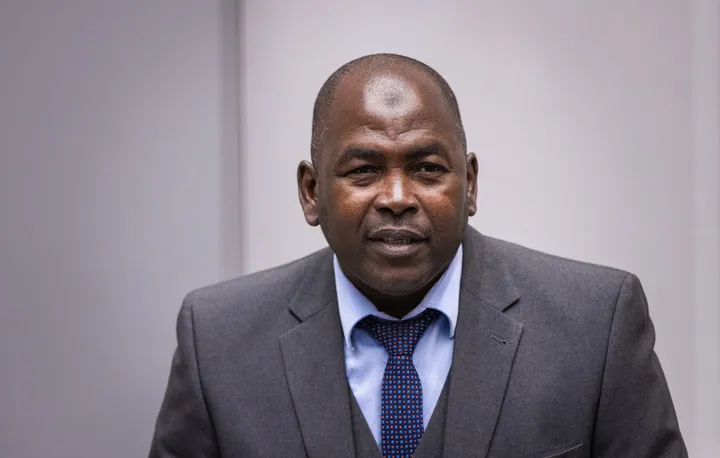
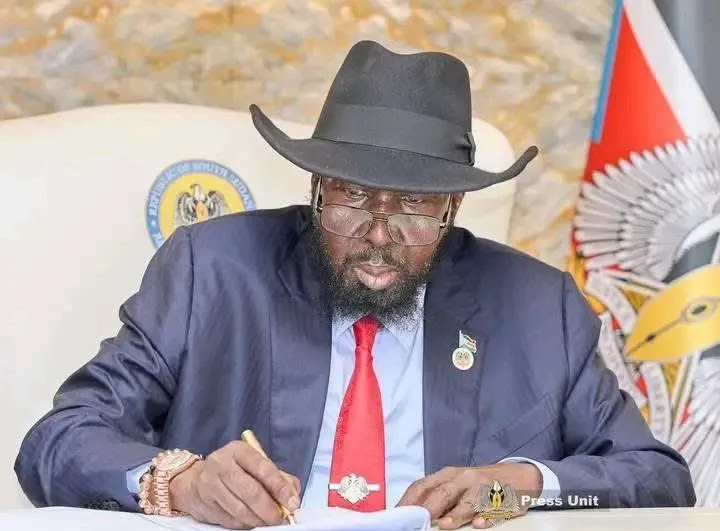
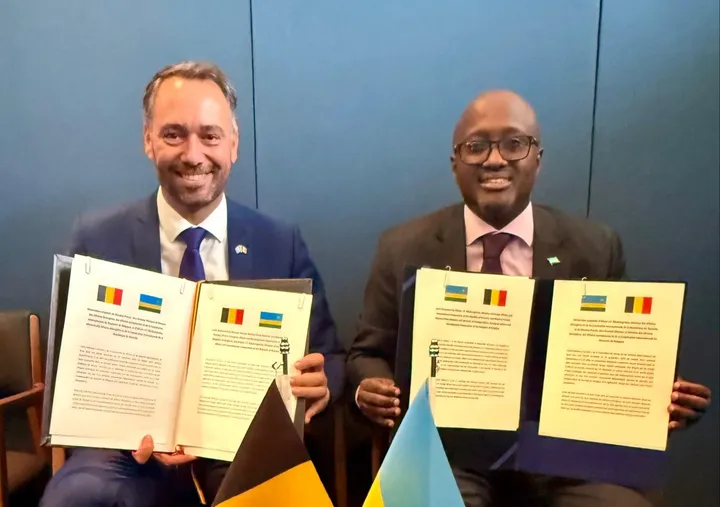



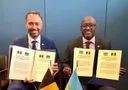
The Independent Constitutional Review and Implementation Commission (ICRIC) has undertaken extensive consultations and sustained engagement with civil society and a broad spectrum of stakeholders, thereby helping to ensure that the constitutional review process remains inclusive, participatory, and reflective of the diverse perspectives that characterize Somali society.
Moving Beyond the 4.5 Power-Sharing Formula
One of the most consequential questions confronting Somalia’s constitutional development concerns the future of the clan-based power-sharing system commonly referred to as the “4.5 formula.”
Introduced during the transitional period, the system allocates political representation among the country’s clan families.
At a moment of acute political fragility, this system served an important stabilising function. It provided a pragmatic mechanism for maintaining political equilibrium and preventing domination by any single group while national institutions were being re-established.
Yet the system was always conceived as a temporary accommodation rather than a permanent model of governance.
Over time, continued reliance on clan-based political allocation risks entrenching social divisions rather than cultivating a shared national political identity. It can also constrain broader democratic participation by privileging negotiated representation among elite actors instead of open competition through citizen-based electoral processes.
Completing the constitutional review process therefore presents an opportunity for Somalia to begin a gradual transition toward a more inclusive and citizen-centred democratic system—one in which political legitimacy derives primarily from voters rather than from clan quotas.
Why Constitutional Clarity Matters
A credible constitution performs several indispensable functions in any democratic state. It defines the distribution of authority among branches of government, safeguards civil liberties and establishes the institutional rules that govern political competition.
For Somalia, these functions are particularly critical. Decades of instability have eroded public confidence in state institutions. A clear and legitimate constitutional framework can help rebuild that trust by clarifying authority, strengthening accountability and ensuring that governance operates within widely accepted legal boundaries.
The constitution also plays a crucial role in managing relations between the federal government and the country’s federal member states. Somalia’s federal system remains an evolving institutional arrangement, with tensions frequently emerging over questions of authority, resource distribution and political representation.
Completing the constitutional framework could therefore help clarify institutional relationships and reduce the recurring political disputes that have often impeded governance and reform.
The Generational Dimension of Somalia’s Political Future
The implications of Somalia’s constitutional progress extend far beyond the current generation of political leaders. They are particularly significant for the country’s younger citizens.
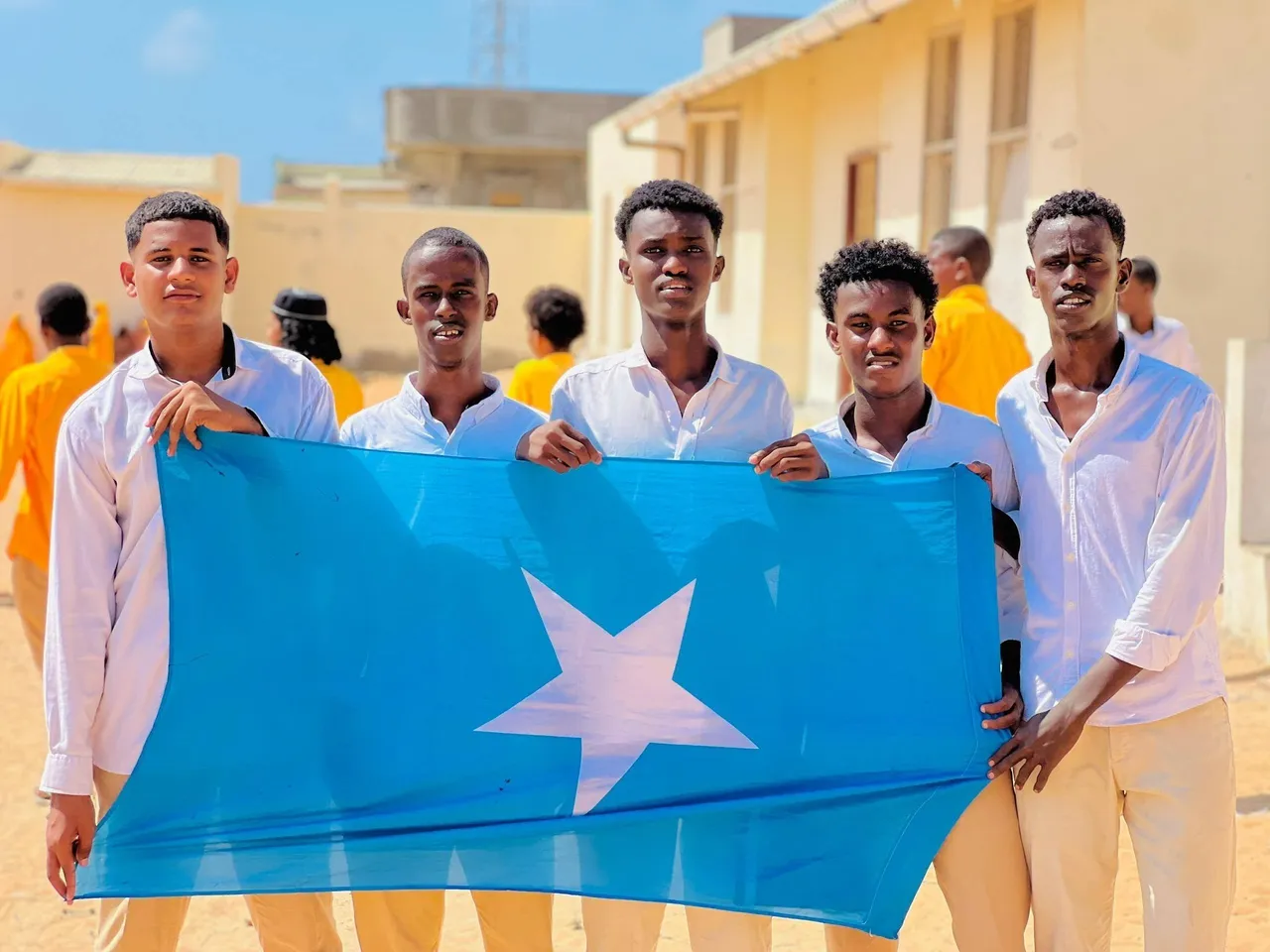
Somalia possesses one of the youngest populations in the world. The majority of Somalis were born after the collapse of the central government in 1991 and have grown up during decades characterised by reconstruction and institutional rebuilding. For many of these young citizens, the promise of a functioning democratic state remains largely aspirational.
A stronger constitutional framework has the potential to transform that aspiration into a more tangible reality. By protecting civil liberties, reinforcing the rule of law and clarifying mechanisms of political participation, the constitution can create greater space for younger generations to contribute meaningfully to shaping the country’s future.
This is not merely a political imperative; it is also an economic one. Stable governance institutions are essential for attracting investment, supporting entrepreneurship and generating the economic opportunities that Somalia’s youth urgently require.
For a country that has spent so long rebuilding its institutions, that progress should not be underestimated.
The author, Omar Afrah, is a technical expert on Somalia's rebuilding and stabilisation strategies, currently serving as the Director General of the Ministry of Transport and Civil Aviation, Federal Government of Somalia.
Disclaimer: The views expressed by the author do not necessarily reflect the opinions, viewpoints and editorial policies of TRT Afrika.