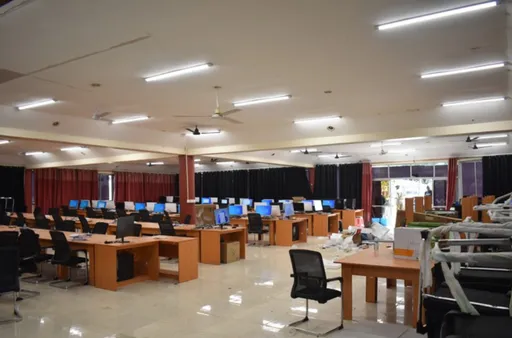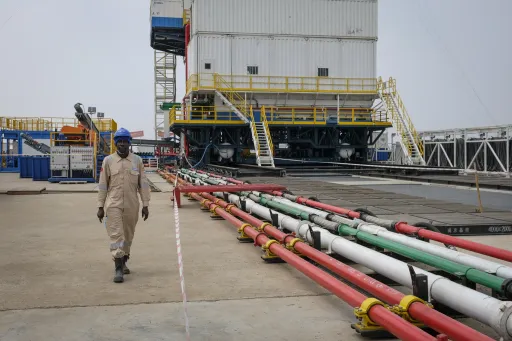
As oil prices surge amid escalating tensions in the Middle East, several Asian nations are turning to remote work to ease pressure on energy demand and protect fragile economies.
Countries including Indonesia, Vietnam, Thailand and the Philippines have begun rolling out work-from-home policies and conservation measures reminiscent of the COVID-19 era.
In Indonesia, officials are considering a hybrid work model and even online schooling to cut fuel consumption. Commuting reductions could lower fuel usage by up to 20%, according to the Jakarta Globe.
Vietnam, heavily reliant on imported fuel, has urged businesses to adopt remote work after sharp spikes in gasoline and diesel prices led to long queues at filling stations. “Businesses need to encourage work-from-home when possible to reduce the need for travel and transportation,” the Trade Ministry said in a statement in mid-March.
Thailand has already shifted parts of its public sector to remote operations, alongside energy-saving steps such as limiting air-conditioning use and reducing official travel.
In the Philippines, flexible work arrangements and a four-day office week have been introduced for some government staff. On Tuesday, President Ferdinand Marcos Jr. declared a national energy emergency, activating measures to stabilize supplies and shield the economy from rising fuel costs.



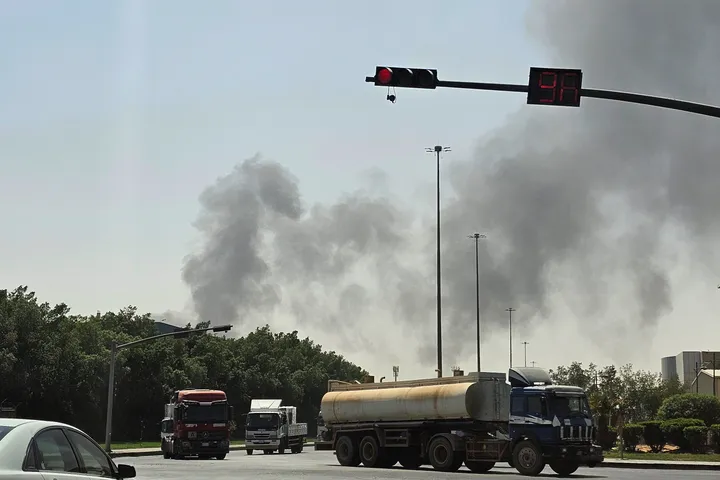



Meanwhile, Pakistan has implemented some of the region’s most aggressive steps, including partial remote work for public employees, reduced fuel allowances and temporary school closures.
Strait of Hormuz
The measures come as global energy markets are disrupted by the ongoing conflict.
The US and Israel have carried out airstrikes on Iran since Feb. 28, killing more than 1,340 people so far, including Iran’s then–Supreme Leader Ali Khamenei.
Iran has retaliated with drone and missile strikes targeting Israel as well as Jordan, Iraq and Gulf countries hosting US military assets.
The Strait of Hormuz, a key global shipping lane, has also been effectively throttled since early March. Around 20 million barrels of oil pass through it daily, and its disruption has driven up shipping costs and pushed global oil prices higher.