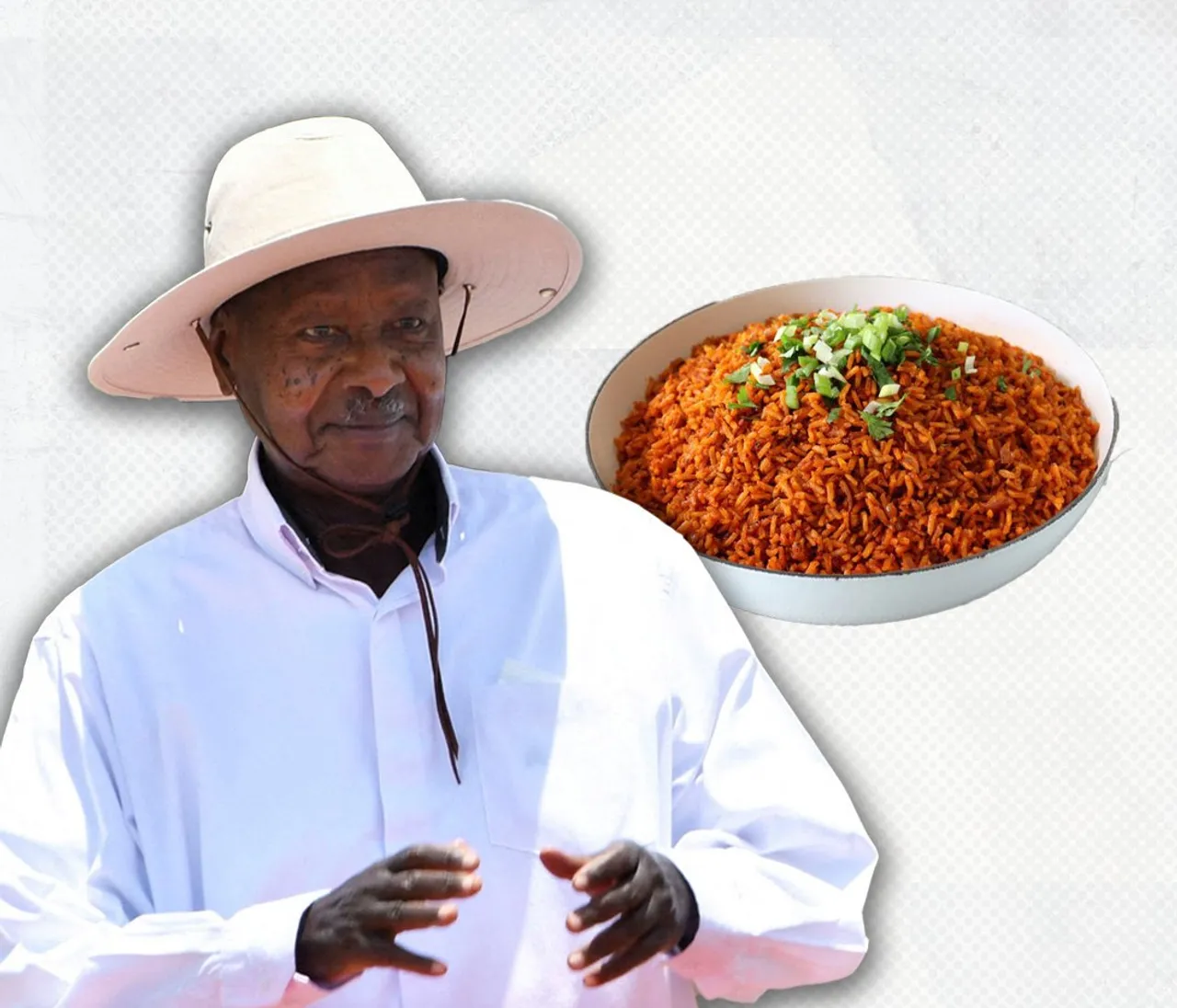
Ugandan President Yoweri Museveni has revealed that he has not eaten rice in nearly 50 years. This has generated a social media buzz.
President Museveni said he had abandoned rice since 1979 when he returned from exile in Tanzania.
Local media quoted Museveni as saying: “I have not eaten rice since I came back from Tanzania in 1979. I have my food: cassava, millet, banana, cowpeas, groundnuts,” while speaking at a meeting of his NRM political party in Kyankwanzi district in the Buganda Region, on 10 April 2026.
So, why does the Ugandan president not want rice on his plate?
African foods
Well, the 81-year-old Ugandan leader, who came to power in 1986, said he prefers natural indigenous African foods such as millet because of their rich nutritional value and because they contribute to his strength and health.
Museveni also suggested it is not just about diet habits.
He wants to encourage local food production and cut imports in order to mitigate the impacts of global supply shocks and boost the economy.
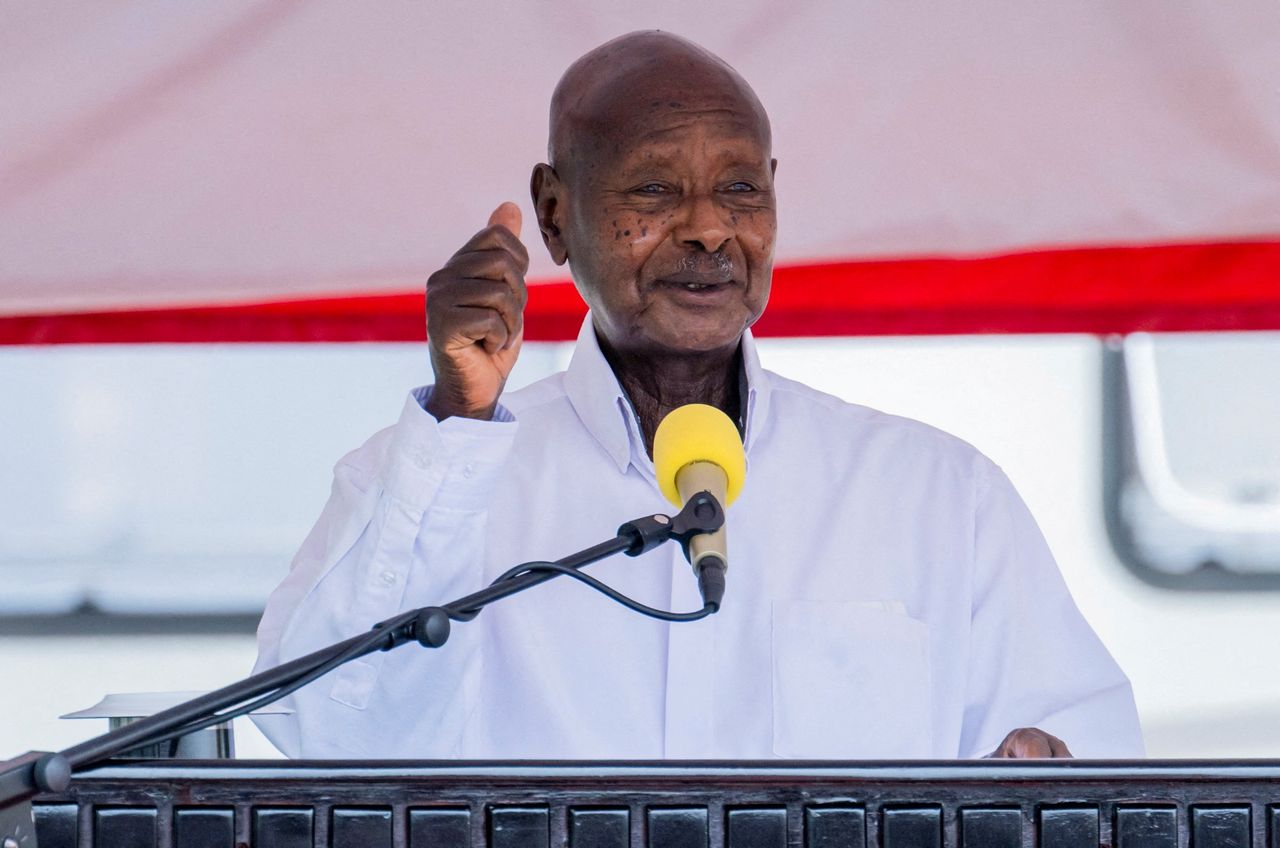
This is not the first time Museveni has made such comments on his diet.
In 2020, he said he does not eat bread and rice because they are both foreign to African diets, with rice believed to be originally from Asia.





However, he revealed that the only non-African food he eats is Irish potatoes, which he values for their relatively low calorie content.
Museveni has always encouraged Ugandans to return to indigenous foods.
However, consumption trends in Uganda and across Africa paint a different picture.
Jollof dish
Rice is a staple in almost every country, driven by urbanisation and changing lifestyles, with the jollof dish even sparking taste debates and competitions among West African countries of Ghana, Nigeria, Senegal, The Gambia and Sierra Leone.
In Uganda, rice consumption is increasing by 4%, exceeding 300,000 metric tonnes annually, according to the UN’s Food and Agriculture Organisation, FAO, in 2023.
The FAO said demand for rice in West African countries is growing by roughly 6% annually, one of the fastest rates among staple foods.
However, most of the rice consumed across the continent is imported, mainly from Asia, costing governments and individuals billions of dollars annually.
The reliance on imports also makes them vulnerable to international market volatility.
Some commentators say this is why Museveni’s position could connect to a wider policy debate about Africa’s food systems and agricultural practices.