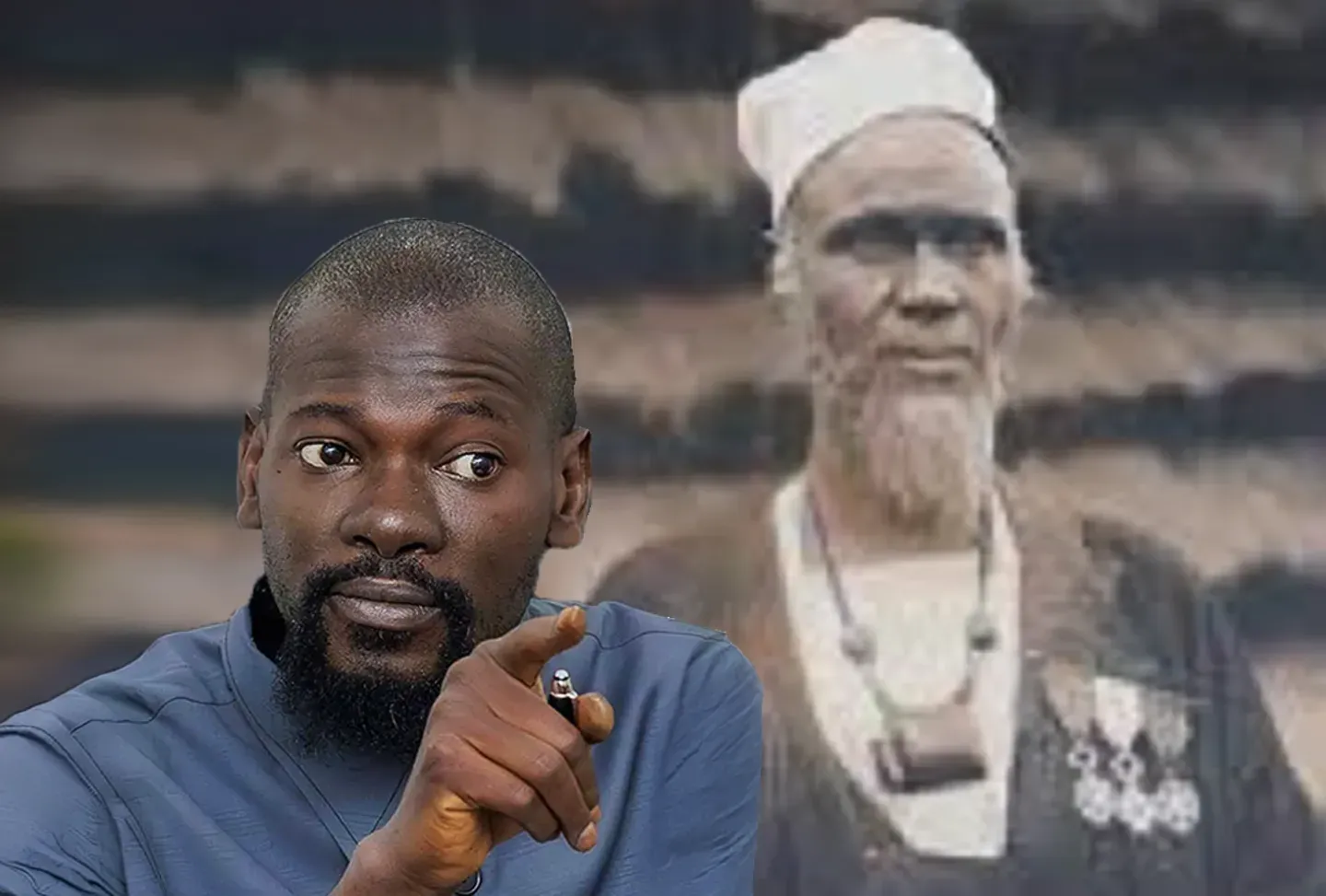
For more than a century, his name remained engraved in the Guinean collective memory. However, his skull is still in France. Today, Guinea is demanding the return of the remains of Bokar Biro Barry, the last independent almamy of Fouta-Djalon, who was killed in 1896 after fiercely resisting the French colonial conquest. More than a simple request for restitution, Conakry wants to close one of the most painful chapters in its history.
"He is not an innocuous person whose skull should continue to be exhibited in a museum in France," said Moussa Moïse Sylla, Guinea's Minister of Culture, who submitted the request on July 27.
The last bastion of Fouta-Djalon
Born around 1852, Bokar Biro Barry came to power in 1890 as almamy, the political and religious leader of the theocratic state of Fouta-Djalon. At that time, the kingdom was one of the last major independent states in West Africa.
But French ambitions were clear: to control Fouta-Djalon in order to link their possessions of Senegal, Guinea and French Sudan. For several years, Paris tried to impose its influence through diplomacy, treaties and internal divisions rather than open war. Bokar Biro refuses to cede the sovereignty of his kingdom despite mounting pressure.
A leader who says no to colonization
History remembers an episode that has become emblematic.
In March 1896, the French authorities sought to have it sign a protectorate treaty. According to several historical accounts, Bokar Biro refused to recognize French rule and simply wrote "Bismillah" (In the Name of God) in place of his signature, making the document politically unacceptable. This gesture symbolizes his categorical refusal to place his country under foreign tutelage.
But his resistance also came up against internal divisions. The rivalries between the Alfaya and Soriya factions (the two ruling dynasties), as well as the autonomy of the provincial chiefs, considerably weakened the kingdom at a time when France was preparing its final offensive. Historians today consider that these internal fractures facilitated the colonial conquest.
The battle that changes history
In November 1896, French troops commanded by Colonel Alfred Dodds launched the decisive assault.
The Battle of Porédaka quickly turned to the advantage of the colonial forces, which were better equipped thanks to their modern artillery. Bokar Biro refuses to surrender. After the defeat, he tried to continue his escape with a few followers before being caught and killed.



His death marked the end of the independence of Fouta-Djalon. A few weeks later, the region came under French rule for good. For many historians, this was a major turning point in the completion of the colonial conquest of present-day Guinea.
"He was a fierce defender of freedom, that's why he was beheaded. He was beheaded because he was against colonial penetration in Fouta," explains Mohamed Amirou Conté, director of the National Museum of Guinea in Conakry and member of the scientific committee.
A head transformed into a colonial trophy
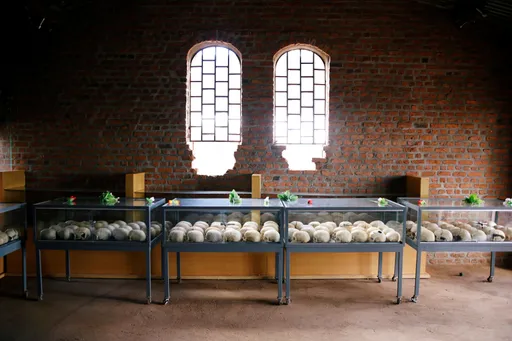
According to historical accounts and several colonial archives, Bokar Biro's head was decapitated after his death and then handed over to the French authorities as a war trophy. This practice, which was common during colonial conquests, was intended to demonstrate the victory of the colonial administration over the African resistance leaders.
For more than one hundred and thirty years, the fate of this skull remained shrouded in uncertainty.
Thanks to the 2023 French law facilitating the return of human remains belonging to public collections, Guinea has officially taken steps to recover the remains of its national hero so that he can finally benefit from a dignified burial. This request is part of a broader movement to return heritage and human remains taken during colonization.
Why does Guinea want to get his skull back?
For the Guinean authorities, it is not a simple bone.
The skull of Bokar Biro represents one of the last material symbols of the colonial conquest. Repatriating him would be tantamount to restoring dignity to a man who fell for refusing to cede his country, but also to repairing a memorial wound that is more than a century old.
In Guinea, Bokar Biro is considered one of the great figures of the anti-colonial resistance, in the same way as Samory Touré in West Africa. His story is taught as that of a leader who, despite internal divisions and the military inferiority of his army, chose to defend the sovereignty of his people to the end.
More than 130 years after his death, Bokar Biro's fight is no longer played out on a battlefield. It is now played out in museums, archives and institutions, where the question is no longer who won the war, but how to do justice to history.