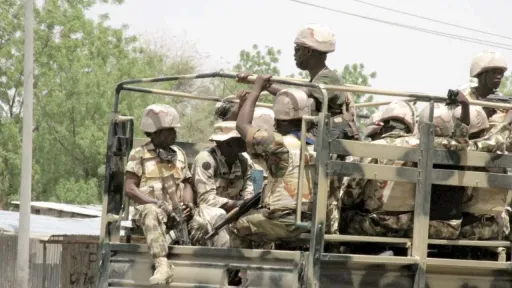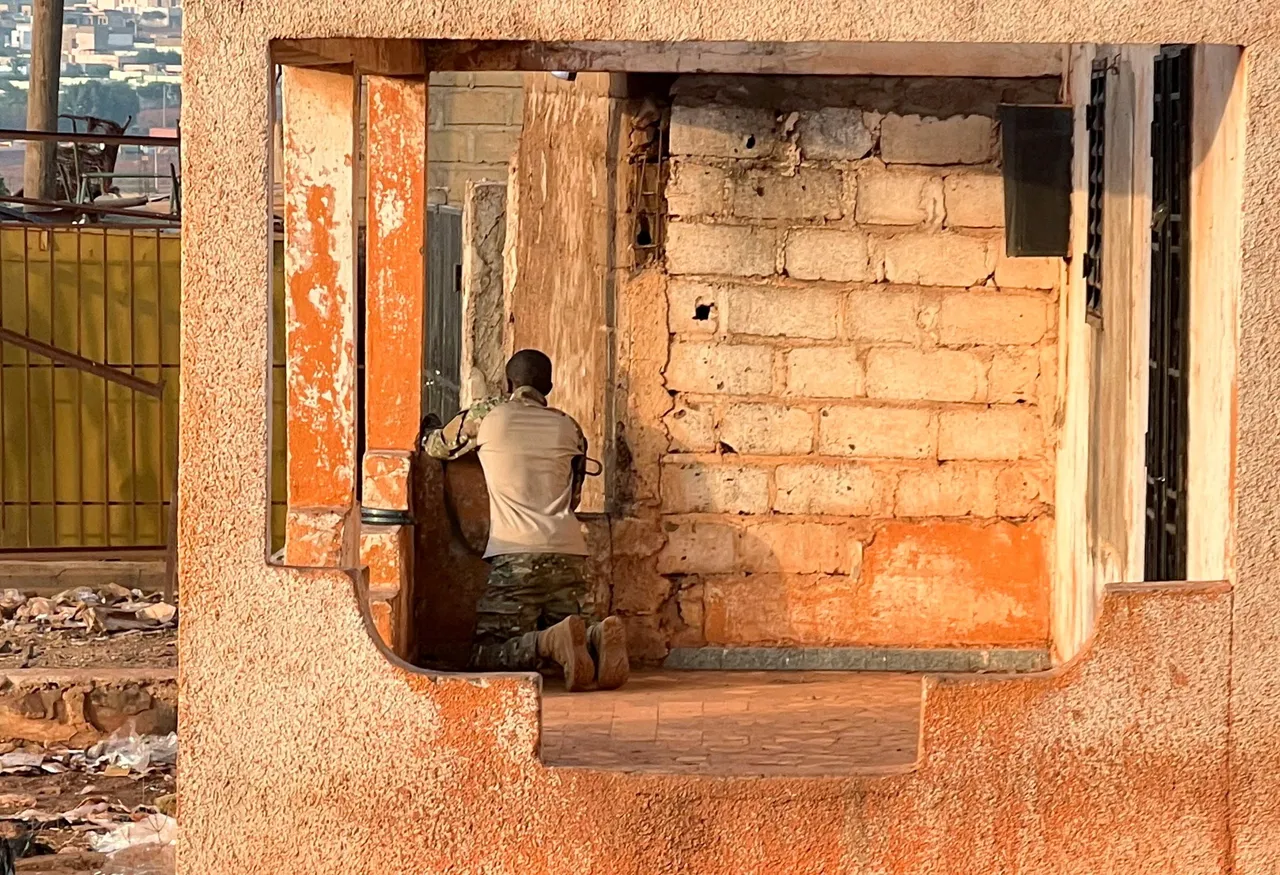
Mali’s army and its Russian mercenary allies have surrendered Camp Tessalit, a strategic military post in the north, multiple sources told the AFP news agency on Friday.
An official from the Tuareg-led separatist group claimed soldiers and mercenaries at the camp had "surrendered", following a fierce fight over the weekend.
Simultaneous attacks in Mali by militants linked to Al Qaeda and separatist Tuareg rebels on April 25 showed how fighters from different groups with different goals were able to strike at the heart of the West African country's military government.
Gunfire and explosions were reported in the capital Bamako and around a large military base outside the capital, as well as Gao and central areas, as gunfire continuing in the northern city of Kidal.
Defence minister Sadio Camara was killed at his residence in Kati, a garrison town near the capital, Bamako, following the fierce weekend fighting.
UN Secretary‑General António Guterres said in a statement issued Saturday night that he was “deeply concerned” over attacks across Mali.
In the light of this weekend’s attacks in Mali, the UN chief called for more “coordinated international support to address the evolving threat of violent extremism and terrorism in the Sahel,” and for urgent humanitarian needs to be better addressed.
“He reiterates his call for robust security coordination and collaboration across the region,” the statement concluded.
The country has been wracked by extremist violence for more than 14 years.
Rising militant activity in West Africa
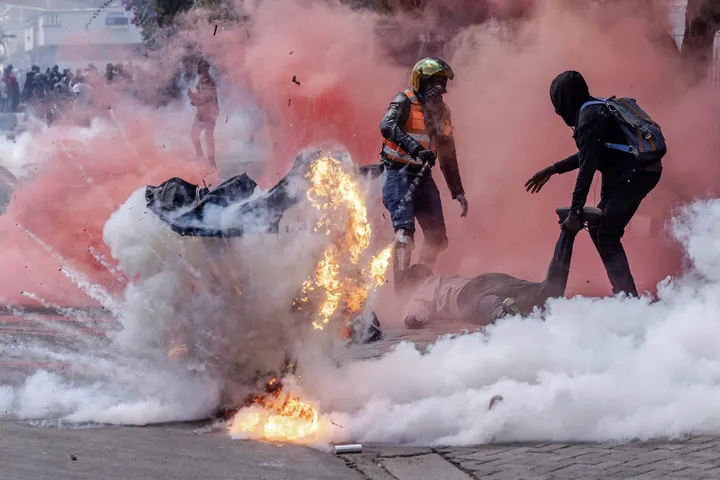
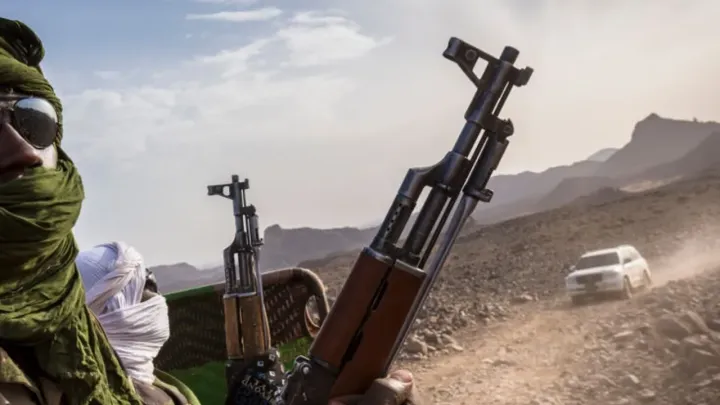
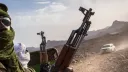
Despite a series of interventions since 2013 by French, U.S., UN and Russian troops, these militant groups have also made significant gains elsewhere in the region.
In the past few years,terrorist groups – in particular Al Qaeda affiliate JNIM – have continued to encroach on territory across the wider Sahel region, targeting civilians, together with economic hubs and trading routes.
The groups have expanded their presence in Niger and Burkina Faso and have linked up with terrorists in northern Nigeria. Their reach now stretches over 3,000 km (1,900 miles) from western Mali near Senegal, through Nigeria and into Chad.
The Security Council-mandated UN peacekeeping mission, MINUSMA, drew down fully in 2023 after being asked to leave by the military government, worsening security conditions in the country.
In 2022, French forces and the European Union Training Mission were also ordered out by the leadership in Bamako, which has retained the support of Russian mercenaries in its stabilization efforts.
The UN’s top official in Mali Hanaa Hamdy-Singer said in a social media post on Sunday: “Our thoughts are with all civilians affected particularly those who have already faced significant hardship and now confront renewed challenges.”
She added that the United Nations “remains steadfast in its commitment to support civilians in need and will continue to closely monitor developments.”
Mali’s current military government – in power since two coups launched in the early 2020s – reportedly said on Saturday evening that it had launched a successful counter-offensive, killing hundreds of the insurgents.
Military ruler President Assimi Goïta came to power in 2021 promising to restore security against the growing control of armed groups in the north and central regions.