Somalia’s new constitution is set to shake up the country’s political landscape with dramatic changes to how leaders are chosen.
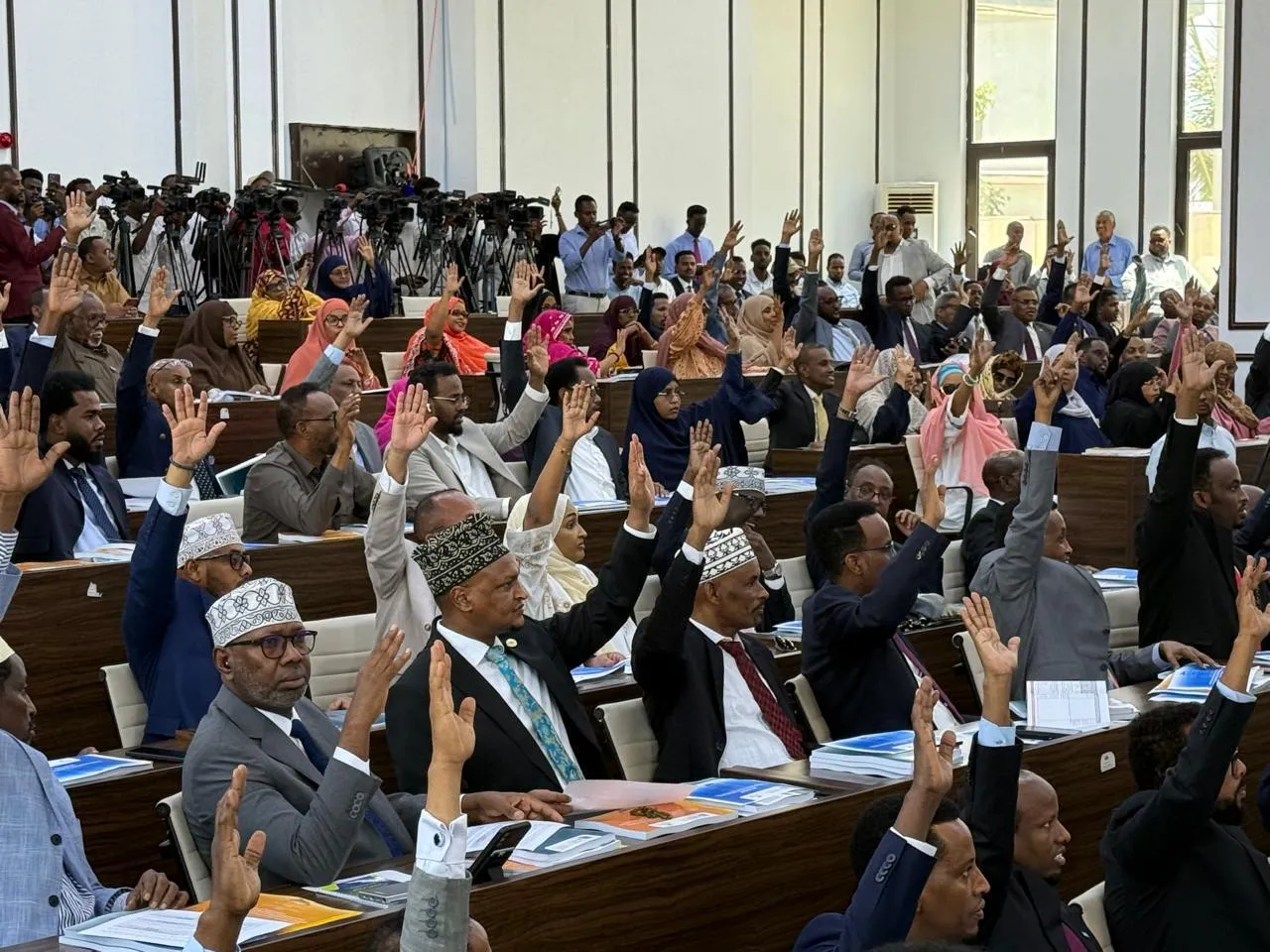
It is Somalia’s first substantive constitution in nearly four decades, and it was approved by a joint session of both chambers of the country’s parliament on Wednesday, 4 March, after months of intense debate.
Lawmakers made sweeping amendments to Somalia’s Provisional Constitution, which the country has been using since 2012.
Now, for a person to run for top leadership positions, they must not be married to a foreign national, must not hold dual citizenship, and both their parents must be Somalis.
For a dual citizen seeking a top political office, they must formally renounce their foreign nationality.
The amendments directly target what many often describe as the “Big Three” offices: the President, the Prime Minister, and the Speakers of both Houses of Parliament.
The message behind these changes is unmistakable — Somalia’s highest decision-makers must demonstrate undivided loyalty to the nation.
This is particularly significant given that at different times in the past, Somalia had a president and a prime minister who were dual citizens.
Extended presidential term
The new constitution, written in the Somali language, has extended the presidential term from four years to five years but introduced a maximum limit of two terms for a president.
However, once the president completes their two terms, they automatically become a member of the Upper House of Parliament for the rest of their life.



According to the new rule, presidential and prime ministerial candidates must be at least 40 years old.
The big question is, how will the leaders be chosen? Well, for decades, Somalia operated under an indirect, clan-based model in which delegates selected lawmakers, who then elected a president for the country.
Under the new framework, Members of Parliament and Senators are to be elected directly by citizens in a drive to ensure universal suffrage.
However, the President of the Federal Republic of Somalia will continue to be elected by a joint session of both Houses of Parliament.
‘Historic milestone’
The new constitution also formally recognises three tiers of government – the Federal Government, Federal Member States, and Local Governments.
This is Somalia’s first substantive constitution since the state collapse in 1991 due to years of civil war.
It will replace the current Provisional Constitution adopted in 2012, which is regarded as a temporary document.
Speaker of the House of the People, Aden Mohamed Nur Madoobe, who presided over the joint session that approved the new constitution, described it as a ‘’historic milestone.’’
However, some opposition politicians have raised concerns about a lack of inclusivity in the process.
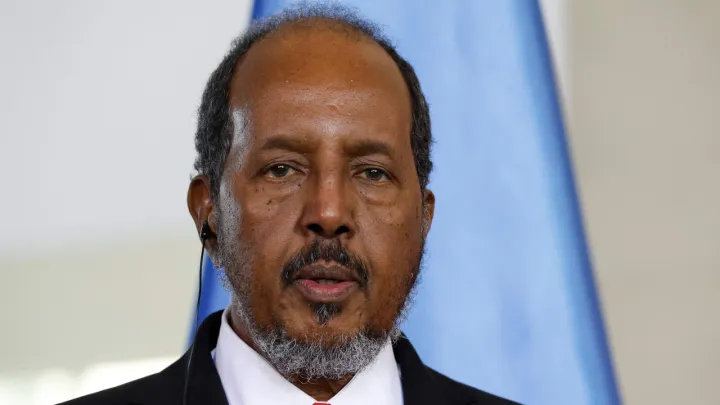
President Hassan Sheikh Mohamud has 30 days to sign it into law before it is published in the official gazette to become effective.