When health workers for Burundi first detect say poliovirus type 2 dey circulate for March 2023, the news cause gbege for region wey dem don certify free of wild polio just three years before.
The virus fit cause permanent paralysis and e dey mainly affect pikin wey under five; e threaten to scatter decades of progress wey people struggle to achieve.
Three years after, Burundi together with Ghana, Guinea-Bissau, the Republic of Congo and Uganda don succeed stop the spread of the virus, na important milestone for Africa for road to end polio.
After rigorous technical assessments wey happen between January and June 2026, teams from the Independent Outbreak Response Assessment (OBRA) review disease surveillance, laboratory and epidemiological data, dem conclude say transmission don stop for all five countries. The WHO Regional Office for Africa then confirm say these poliovirus type 2 outbreaks don close.
Contexts different, strategies dem common.
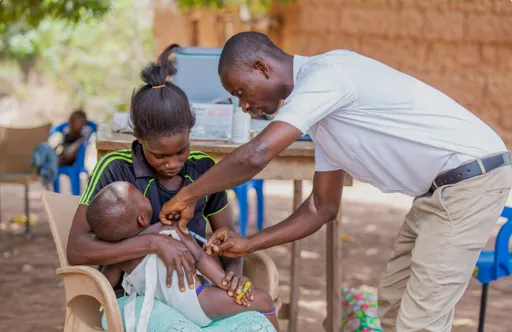
Polio no get cure, but vaccine wey safe and effective fit prevent am.
For Burundi, health authorities raise their routine vaccination and surveillance work with support from the Global Polio Eradication Initiative (GPEI). Targeted vaccination campaigns, stronger epidemiological investigations and expanded environmental surveillance help stop transmission and protect pikin from polio.
"Dis na positive development no be only for fight against polio but for overall work to save life through stronger health and immunization systems," talk Thabani Maphosa, Gavi's Chief Country Delivery Officer.
"The investments wey countries don make to reach missed pikin, community engagement, stronger surveillance, mapping and outbreak response go get impact wey pass these polio outbreaks."
Even though each country get their own challenges, common thread dey appear for how dem respond.
For Republic of Congo, authorities strengthen surveillance and run several high-quality vaccination campaigns after virus detection. The country last detect am for December 2023; after that dem focus on keep surveillance sensitive and close immunity gaps for high-risk areas.
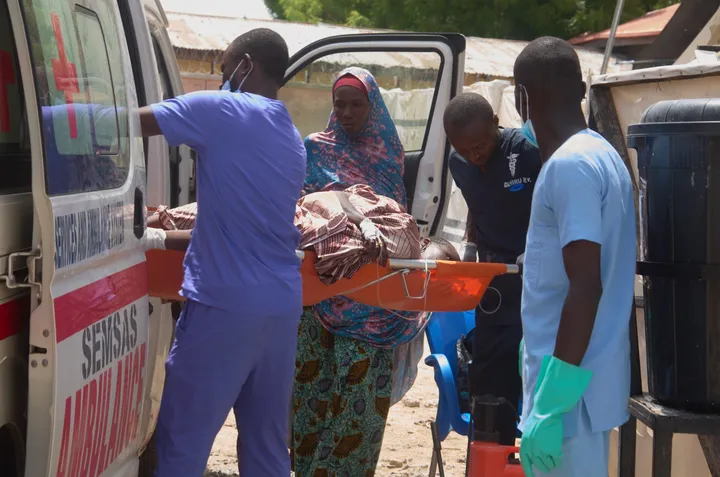
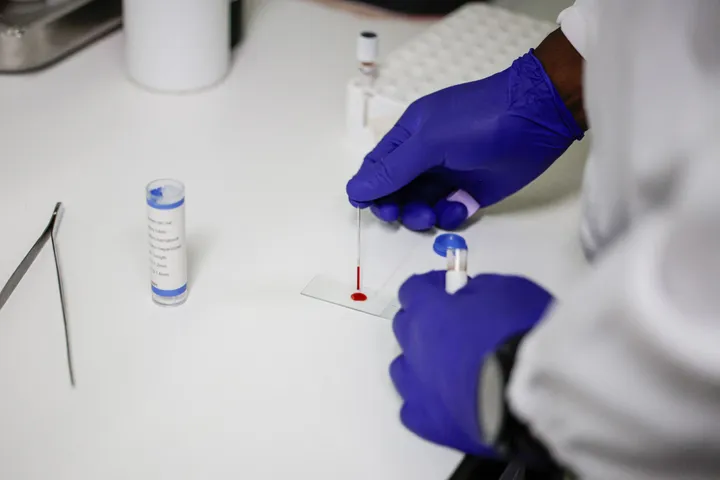
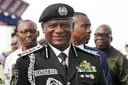
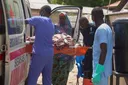
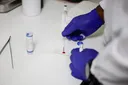
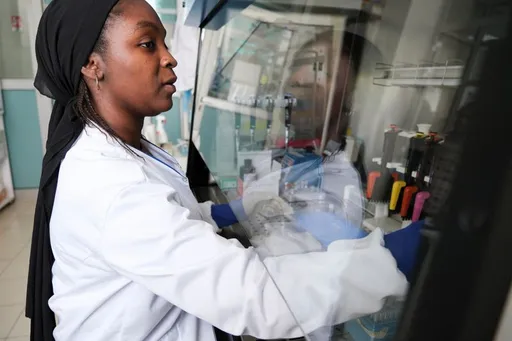
Uganda intensify disease surveillance and outbreak response activities after dem detect poliovirus for May 2024, and dem keep strong coordination between national and subnational levels. Ghana join high-quality surveillance and quick outbreak response with investments for laboratories, upgrade their lab capacity earlier this year together with Uganda to make dem ability to detect and respond fast to poliovirus and other vaccine-preventable sickness dem stronger.
Guinea-Bissau focus on reach underserved people through targeted vaccination campaigns and better disease surveillance. This steady effort don work — the country never report any poliovirus detection since July 2021.
"Any outbreak wey dem close mean more pikin safe from disease wey fit cause paralysis for life," talk Mike McGovern, Chair of the GPEI Polio Oversight Board and Rotary International's International PolioPlus Committee. "Working with governments and health workers across Africa dey boost effort to finish polio for good."
No make una relax.
Even with these achievements, health experts dey warn make people no relax. Risk of poliovirus reimportation still real — like recent detection for Madagascar after dem close im previous outbreak.
For whole Africa, pass 180 polio detections don report for 2026 alone, the highest numbers dey for Lake Chad Basin and Horn of Africa, wey now be the region's critical transmission zones.
For world, Afghanistan and Pakistan still be the only countries wey get endemic wild poliovirus transmission.
African health ministers recently adopt 10-year framework to keep polio eradication work steady by making national health systems stronger. The Framework for Polio Transition and Sustainability in the WHO African Region 2026–2035 put emphasis for keep high-quality surveillance, preserve laboratory capacity, strengthen routine immunization and make sure sustainable domestic financing dey.
"To maintain Africa polio gains, e need strong country ownership, sustainable financing and integration of polio assets into wider health systems," talk Dr. Mohamed Gedi, Polio Eradication Programme Coordinator for the WHO Regional Office for Africa. "If we keep high population immunity, robust surveillance and strong outbreak preparedness, we fit protect our polio-free status and make health security for the Region stronger."
"Even though this na important milestone, e no mean say journey don finish. Continued vigilance, strong surveillance and high immunization coverage still essential to protect pikin and prevent future outbreaks," talk Dr. Mohamed Janabi, WHO Regional Director for Africa.