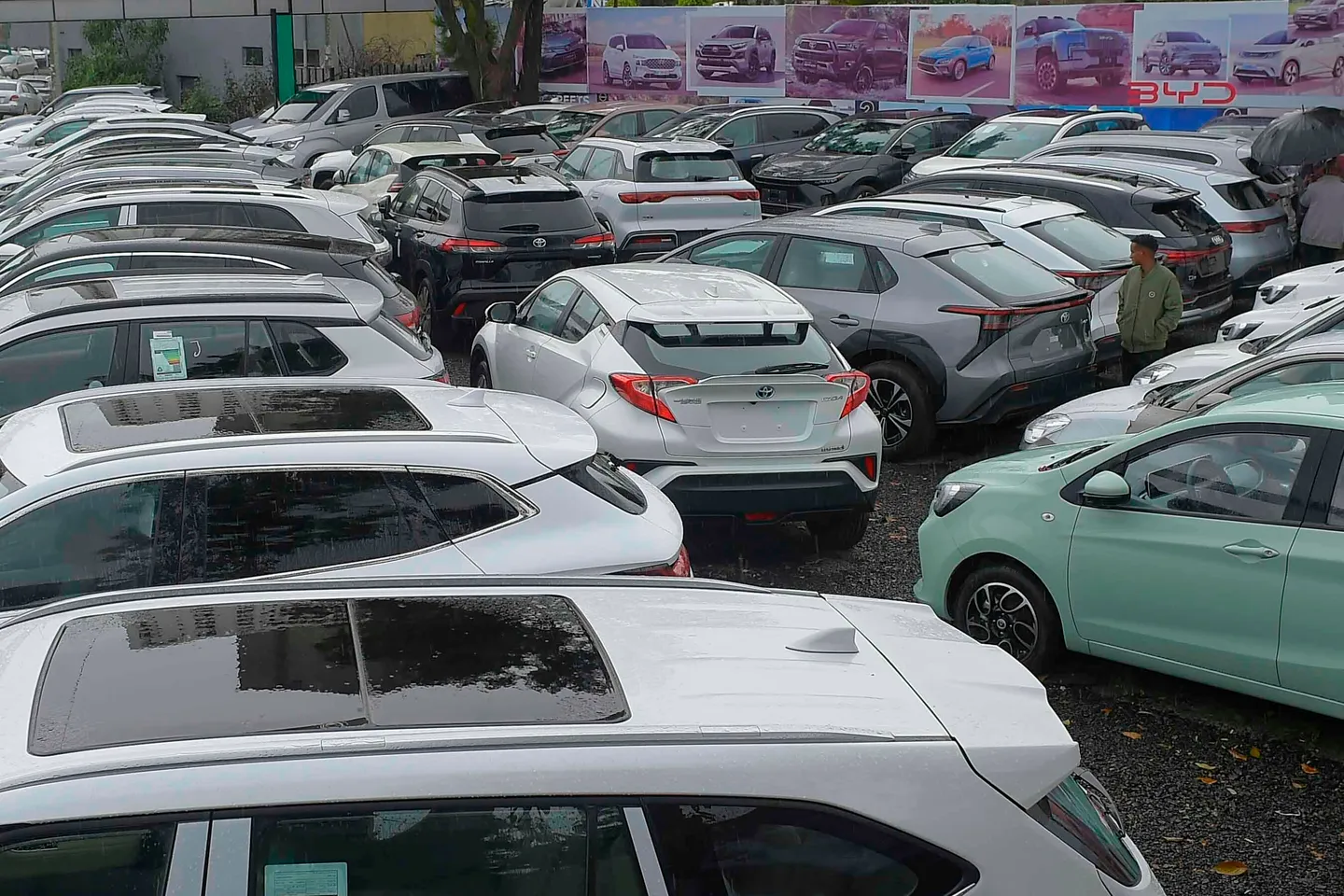
Nigerian goment don approve tax waivers for almost 4,000 electric vehicles wey dem import into Nigeria for di first half of 2026.
Dis na part of new move to make electric mobility grow fast, even though electricity still dey scarce and charging stations no dey enough.
Goment data wey Reuters check for one report on Wednesday show say di approvals na di first batch wey dem process under new goment initiative wey dem design to encourage people to use cleaner vehicles through tax incentives and local vehicle assembly programmes.
Dis move show say Nigeria dey try hard to change part of di transport system from petrol and diesel vehicles, even though di country electricity supply still far below wetin dem need to support plenty electric vehicles.
Di report tok say, “Di Federal Government don approve tax waivers for nearly 4,000 EVs for di first half of dis year, gom een t data show, as authorities dey push to make EV adoption grow fast despite chronic electricity shortages.






Di approvals wey Reuters check na di first under new government programme wey aim to promote cleaner transport through tax incentives and local assembly programmes.”
Nigeria 2022 Energy Transition Plan get target say electric vehicles go make up 60% of di country vehicle fleet by 2050. But di country still dey di early stage of di transition.
Official data about di current number of electric vehicles wey dey Nigerian roads no dey available, but dealers wey Reuters quote estimate say EVs dey make up less than 1% of di country vehicle fleet, wey mean say e only reach tens of thousands of vehicles.
Di goment still don bring in series of fiscal measures to make electric vehicles fit compete well. Nigeria don exempt electric vehicles from value-added tax for 2024 and reduce import duties on EVs to zero from five percent dis year.
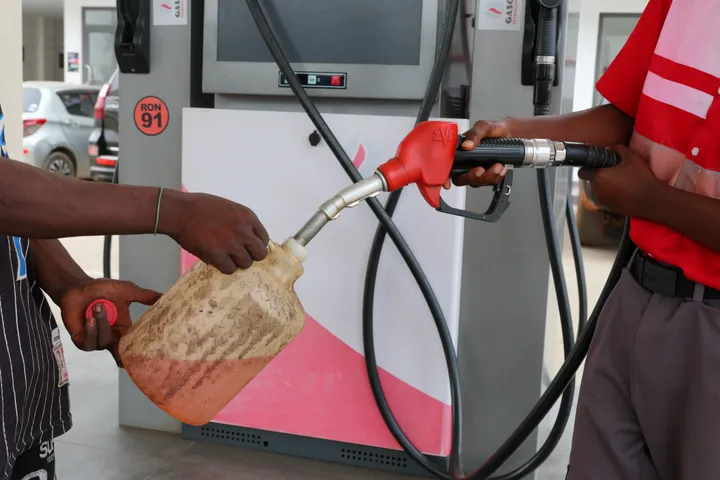
Dis measures dey happen as petrol prices don high since di government remove petrol subsidy for 2023, wey make fuel-efficient and electric mobility options dey sweet more for motorists and commercial transport operators.
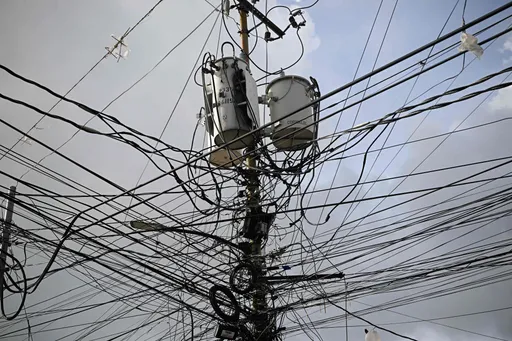
But di biggest wahala wey dey face Nigeria electric vehicle ambition na di same infrastructure wey di technology need: electricity.
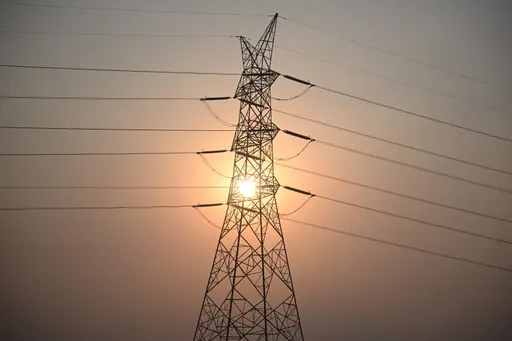
Di national grid dey supply around 4,000 megawatts to population wey pass 200 million people, wey make Nigeria get one of di lowest levels of per-capita electricity availability among major economies.
So, millions of households and businesses dey rely on petrol and diesel generators to support di unreliable grid supply. Dat dependence don now spread to di new EV market.