For three days now, Amira* don dey inside haze of hunger, her eye dey fail small-small and as mama she dey pain to dey watch her pikin dem share one bowl of sorghum.
The pain wey dey her side, wey she sabi from her diabetes, don turn sharp and urgent. She dey fear wetin dey happen because she feel like her body dey shut down.
Two years ago, as she dey run commot Khartoum with her pikin dem when shell dem dey tear her street, the Sudanese refugee left her insulin behind as dem dey rush go find small safety.
She spend months for one crowded school wey dem turn to shelter for Gezira State, and she dey manage her diabetes by dey careful wetin she chop despite say life as displaced pesin get plenty limitations. But now no be so again. The disease dey win.
Nearest hospital wey Amira fit reach dey 40 km away. She hear say facility still dey work but person tell her say dem don loot am.
Even if e still dey, to waka go clinic mean say she go need money wey she no get. Then na checkpoints dem get along the road, where soldiers dey ask tori wey dey make pesin fear.
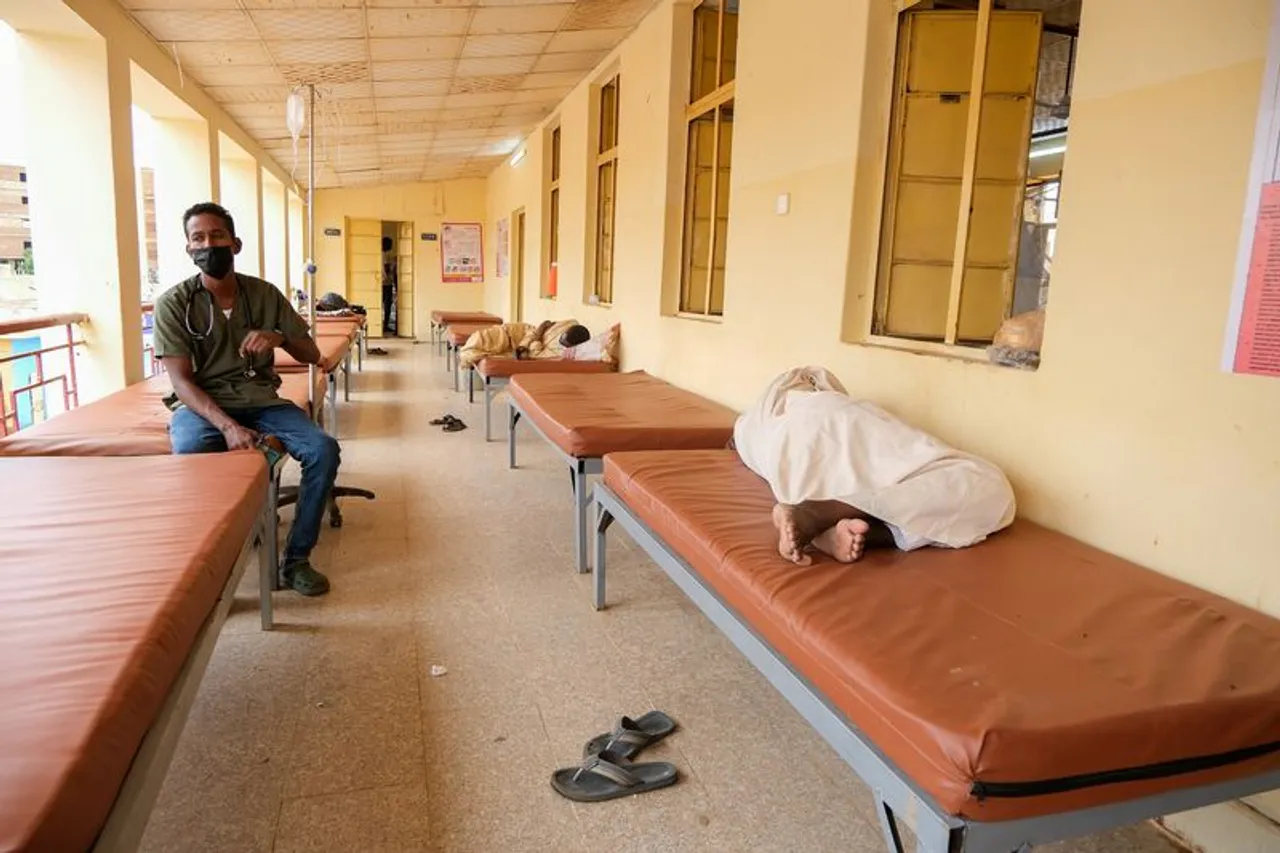
The way Amira dey suffer show how war don destroy Sudan health system, leave millions without the medical care wey dem really need.
"We no just dey survive war," talk Ahmed*, one community health worker for Darfur wey dey treat cholera patients under torn canvas wey dem dey use as makeshift centre. "Sometimes, all I fit give patients wey dey suffer na small clean cloth and prayer."
Ceaseless suffering
January 9 mark 1,000 days of war for Sudan. That grim milestone confirm wetin aid agencies don dey talk for months: now, na the worst humanitarian crisis for the world.
Data from the World Health Organization (WHO) show the heavy level of suffering wey civilians inside this waka of conflict dey face as e don dey worse.
E don estimate say more than 20 million people need immediate medical attention. Another 21 million dey starve. About 13.6 million people don comot their homes, make this the biggest displacement crisis wey ever happen.
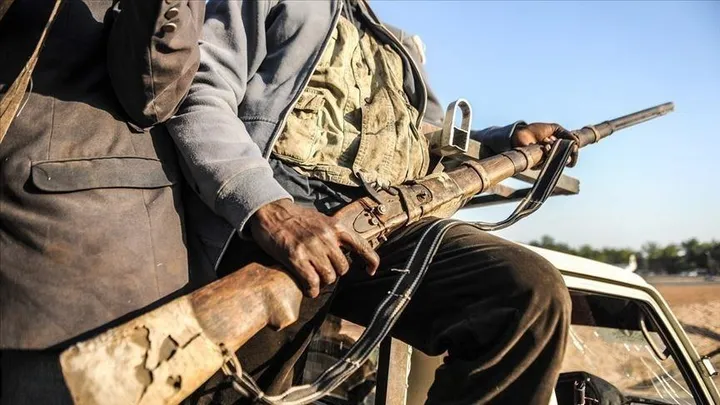
WHO don verify 201 attacks against healthcare facilities wey break international law, and this one don cause nearly 1,900 deaths and cut thousands of others off from emergency and routine medical care.
As of January, 37% of healthcare facilities no dey functional. For pregnant women, pikin dem with malaria, or elderly people with high blood pressure, even normal check-up don become something dem no fit get.

"One thousand days of conflict for Sudan don push the health system to the edge of collapse. Under the pressure of disease, hunger and lack of basic services, people dey face devastating situation," talk Dr Shible Sahbani, WHO Representative for Sudan.
"WHO dey do wetin we fit, where we fit… Despite the challenges, we dey also work on how to recover the health system."
Fragile lifelines
Crowded and unsanitary camps across Sudan don turn to place wey diseases dey spread. Cholera don reach all 18 states, dengue don spread to 14, and malaria don affect 16 states.
Health agencies dey warn say measles outbreak fit happen quick because routine immunisation programmes don stop.
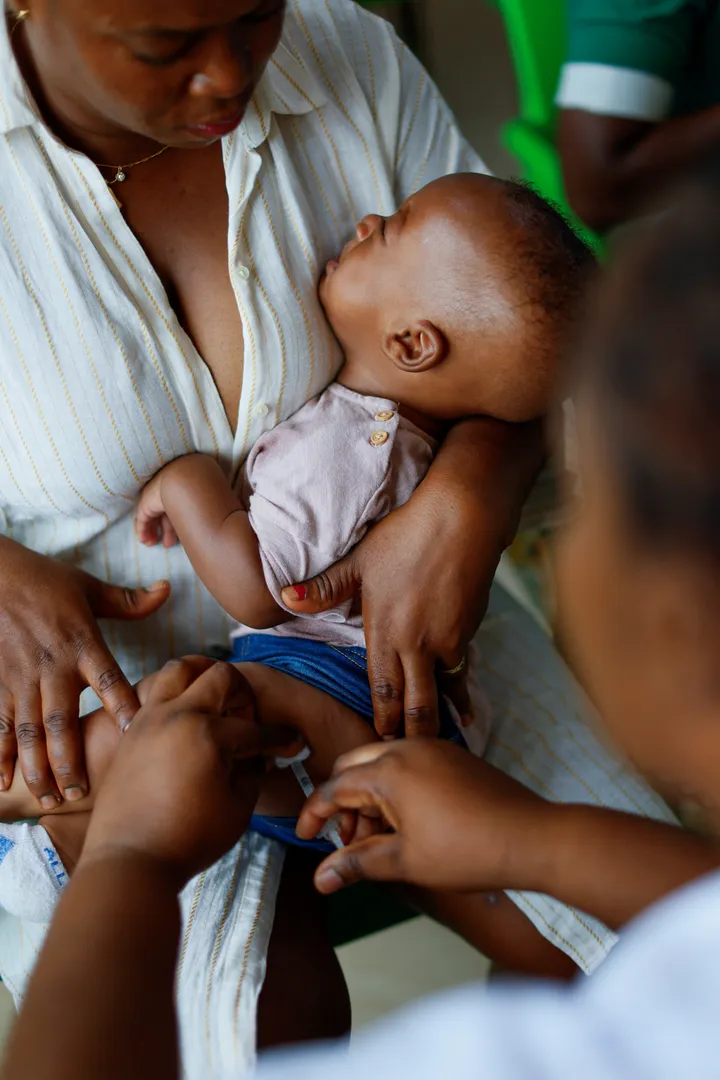
Even with all the hopelessness, small help dey reach people. Since fighting start, WHO and partners don deliver 3,378 metric tonnes of supplies including cholera treatments, surgical kits and medicines. These things don help around 3.3 million people through the hospitals and mobile clinics wey still dey operate.
Health workers like Ahmed, wey many times dem no dey pay and dem dey work even though danger dey, dey continue to use any resource wey reach dem. But the gap between wetin people need and wetin dem receive dey wide.
"As the relentless conflict dey make some areas inaccessible, the health needs of the population dey increase," talk Dr Sahbani. "To meet these rising needs and stop the crisis from becoming worse, WHO and humanitarian partners need safe and unimpeded access to all areas of Sudan, and more financial resources."
So, wetin dey wait beyond the 1,000 days of wahala wey Sudan don pass? Will the international community finally wake up and help restore the basic human right of access to healthcare?
For Gezira State, Amira get small kindness from one local volunteer to thank for the way she survive her last health crisis.
The volunteer, wey WHO affiliate train am, see her condition and arrange one small vial of insulin. E give Amira time, but she no know wetin go happen next time her body near give up.
Her future, like the future of the 33.7 million Sudanese wey need immediate aid, depend on when the world go decide to act.
*Names don change to protect identities