As part of move to fight di cost-of-living crisis wey don make poverty level for country rise, Federal Government, yesterday, begin big reduction for import duties on essential goods, from foodstuff to passenger vehicles.
As di new rates start this July, di question wey dey every Nigerian mind be whether dis fiscal balancing go bring real relief or just shift di problem to anoda place.
Di 2026 Fiscal Policy Measures (FPM), wey Finance Minister and Coordinating Minister of di Economy, Taiwo Oyedele, approve yesterday, be one of di biggest changes to di nation’s tariff system for recent years. Di policy cut duties on plenty items wey dey important for household consumption and industrial activity, targeting 127 tariff lines wit reduced rates.
Dis intervention dey come at important time for di nation’s economy. Even though inflation don cool from im peak of about 33% for late 2024, e don recently start to rise again. S&P Global don increase dia 2026 inflation forecast to 16.9%, citing di fresh pressure from global energy price shocks wey make petrol price jump over 50%.
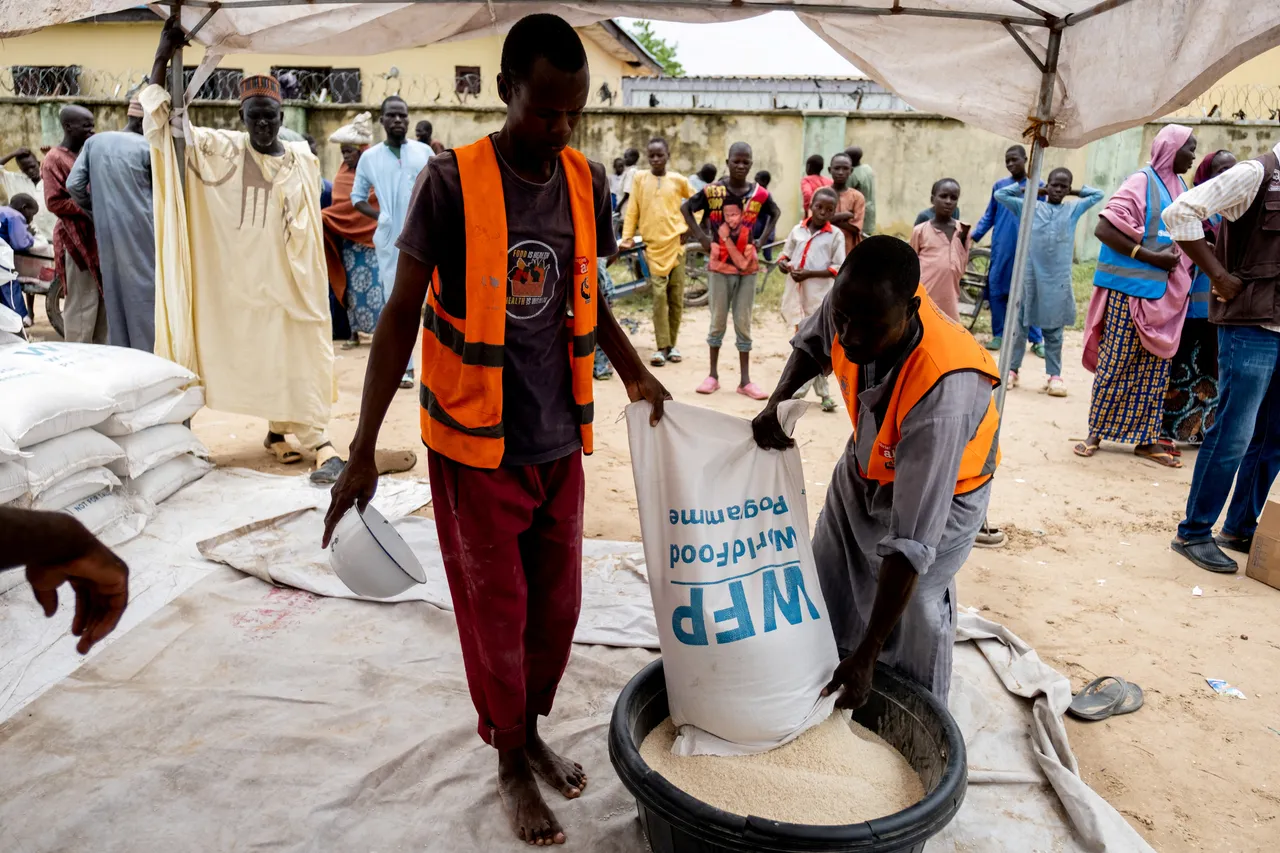
Di new plan from FG show clear attempt to reduce di financial trouble for Nigerian families. For staple foods, di results dey clear. Duty on bulk rice nearly cut half, from 70% to 47.5%, while broken rice see even bigger reduction to 30%. Dis be direct attempt to bring down price of di nation’s most important food item.

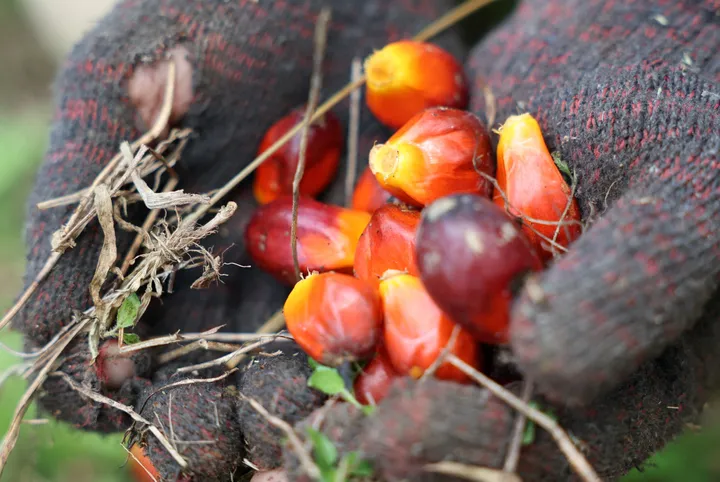
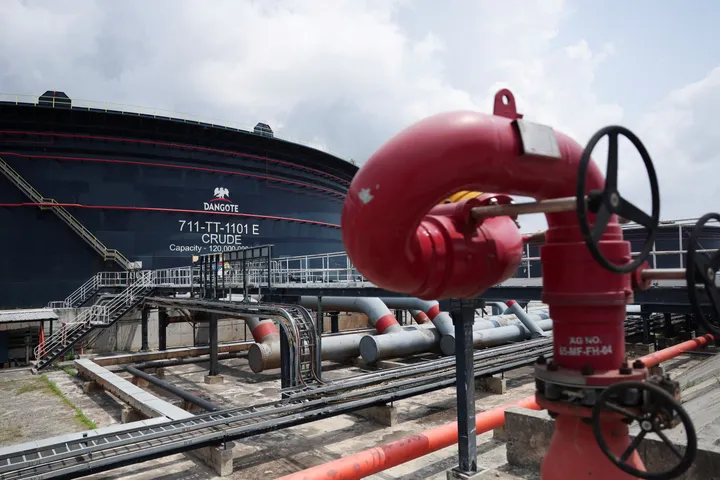



Raw cane sugar duties don reduce to between 55% and 57.5%, and crude palm oil now enter at 28.75%, down from 35%. Dese cuts dey designed to reduce input costs for everything from family daily meals to commercial food production.
Further analysis show say transportation and industrial sectors also dey for focus. Duty on passenger vehicles don cut from 70% to 40%, move wey fit reduce cost of car ownership. More importantly, government don fully exempt mass transit buses and electric vehicles (EVs) from import duties, one green tax measure wey dey aim to reduce transport costs and encourage cleaner energy.
Similarly, manufacturing machinery now enjoy zero percent duty, clear signal say dem want revive industrial sector and reduce production costs.
While di tariff cuts dey give immediate hope for relief, analysts and commentators don raise serious concerns about policy consistency and di future of local production.
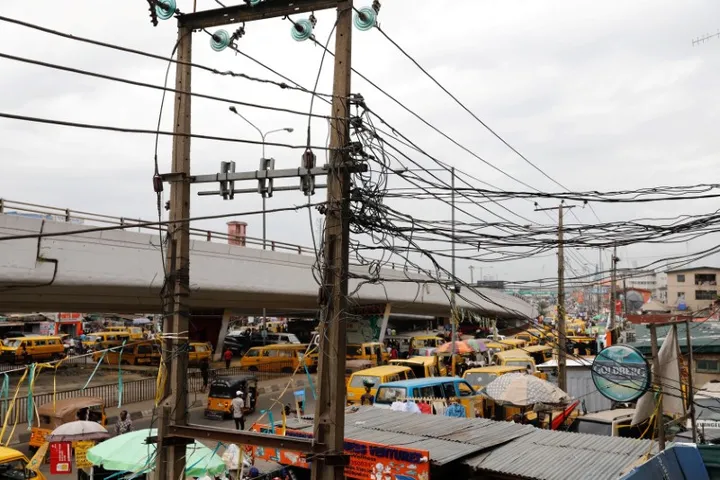
Nevertheless, Nigerians dey optimistic say pressure for transport sector fit ease, and for di long run, e fit moderate di cost of moving goods and people across di country, wit possible knock-on effects on food prices and bus fares.