Na Charly Facheux
As I grow for Cameroon, I understand forest by wetin e dey give. Na there we dey get water, na there old people dey find medicine, and na there families dey go when food no too dey. E still carry our stories. We no dey call am "biodiversity". Na our home e be, and to take care am na part of to take care our future.
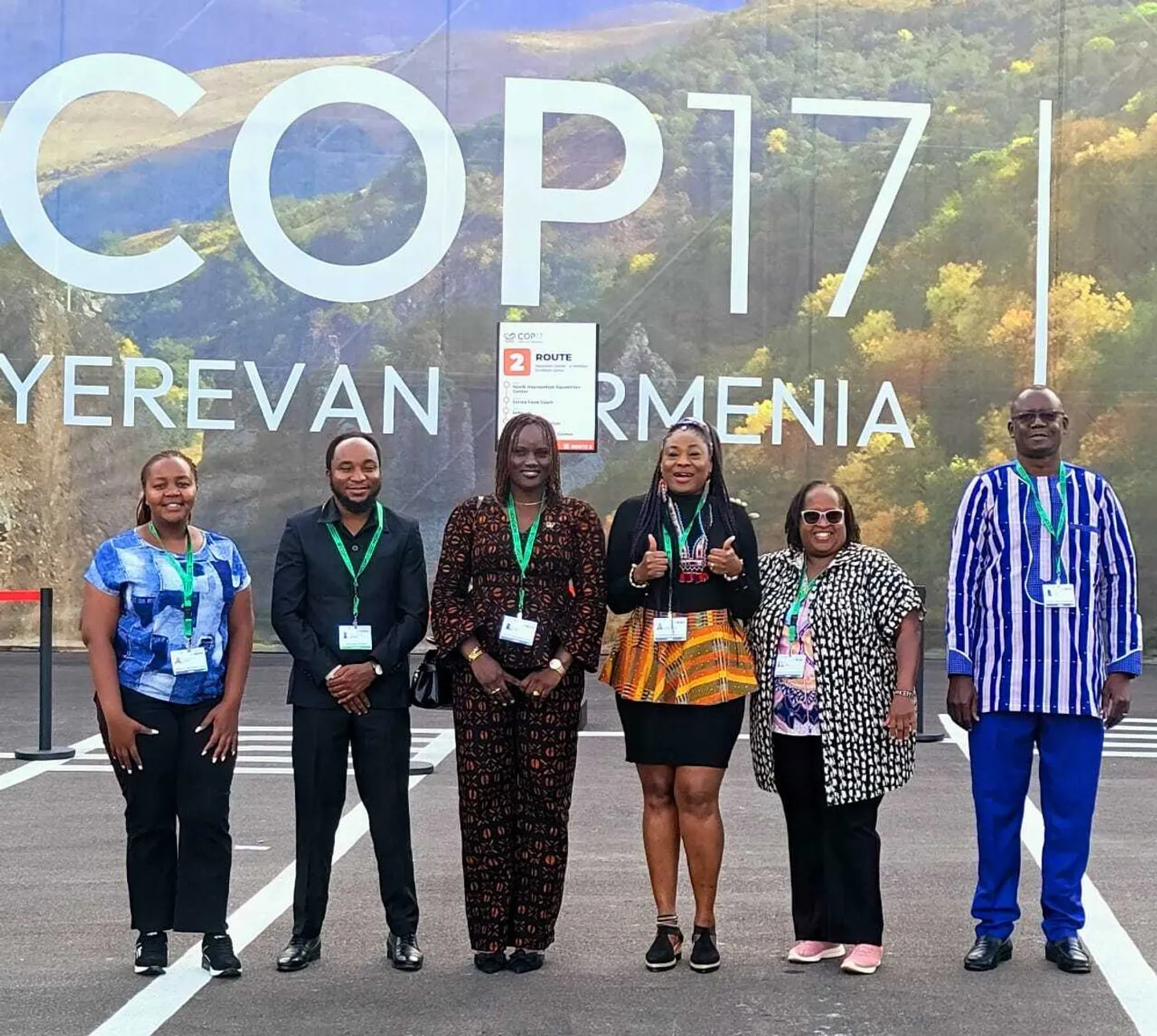
That understanding don follow me inside my work as I dey research forest economy and dey work with communities and governments for different parts of Africa. Na why negotiations wey dey Yerevan, Armenia from 19 to 30 October matter pass only conference hall. COP17 for di Convention on Biological Diversity go help decide whether global commitments fit deliver for people wey life depend most on nature.
For farmer for eastern Cameroon or fisher for Lake Victoria, biodiversity summit for the Caucasus fit dey seem far. But wetin dem decide go affect how conservation go dey financed, how land go dey managed and how benefits from genetic resources go dey share. Those choices go touch household income, food production and water supply.
World Economic Forum analysis wey dem do for 2020 estimate say more than half of global GDP, about US$44 trillion, depend moderately or highly on nature. For Africa, that dependence clear for farms, fisheries, forests and wetlands. Biodiversity suppose dey part of economic planning because cost of losing am go spread enter whole economy.
Congo Basin significance
Congo Basin show why the whole world get interest. The forests wey dey across six countries including Cameroon na the world second-largest tropical rainforest. World Resources Institute analysis wey dem publish for 2021 estimate say dem dey absorb about 600 million tonnes more carbon dioxide every year than dem dey release. Among the three biggest tropical rainforest areas, that assessment still show say Congo remain the strongest net carbon sink.
Research wey dem publish for Nature Geoscience in 2022 estimate say peatlands for central Congo Basin hold about 29 billion tonnes of carbon. To protect those ecosystems na responsibility for the whole world, and e still dey top list for African development. Their value suppose reflect for how finance and decision-making power dey given to the countries and communities wey protect dem.
Almost four years ago, Kunming-Montreal Global Biodiversity Framework set target to mobilise at least US$200 billion every year for biodiversity by 2030, including at least US$30 billion in international finance for developing countries. But global investment still dey very different from that ambition.
UNEP State of Finance for Nature 2026 estimate say US$7.3 trillion flow enter activities wey directly dey harm nature in 2023, compared with US$220 billion wey dem invest for nature-based solutions. Those flows different from the framework’s biodiversity finance target, but the imbalance clear: harmful finance pass investment for nature-based solutions by more than thirty to one. COP17 first global review must tackle both the shortage of finance for nature and the investments wey dey cause its decline.
Africa's influence
Africa influence for the negotiations depend on how dem coordinate. The 54 African parties make up more than one quarter of Convention membership. If dem get shared position, dem go get more leverage for finance, benefit-sharing and conditions of implementation pass if each country dey appeal on im own.
Di Cali Fund wey dem create to share benefits from using digital sequence information on genetic resources fit be chance to make that leverage count. African negotiators must carry one common demand from the negotiating room into the rules and institutions wey decide where resources go.



Four priorities suppose guide that demand. First, finance must dey predictable and easy to access for African institutions and communities wey dey sustain biodiversity. Funding arrangements suppose build their capacity to manage resources and give them authority to set priorities, with clear accounting for how money dey spent.
Second, di Cali Fund must receive real contributions from companies wey dey benefit commercially from digital genetic information. The Fund start in February 2025 and don begin to receive contributions, but participation must increase well. Clear rules for how companies contribute and transparent allocation go make sure developing countries and Indigenous Peoples and local communities get fair benefits. Open scientific exchange suppose dey supported, but the value wey e create suppose also dey shared fairly.
Role in decision-making
Third, Indigenous Peoples and local communities need secure rights and real role for decisions wey affect their land and livelihood. Participation must include power to influence conservation plans and how benefits go dey shared. You no fit expect people to maintain conservation if dem dey bear the cost and dem no get voice for the terms.
Fourth, the global review suppose check whether protected and conserved areas dey work. Hectares alone no fit show whether habitats remain connected, whether wildlife populations dey secure or whether governance dey fair. Progress suppose dey judged by ecological outcomes and by wellbeing of people wey dey live close to nature.
Same standards suppose apply to conservation organisations. Projects wey design from outside priorities and short grant cycles fit leave local institutions without power to continue the work. To make ownership last, dem need community enterprises wey fit earn from healthy landscapes, African universities wey produce knowledge, and governments wey go budget for nature as essential infrastructure.
Manyara Ranch for northern Tanzania na practical example. Before, na degraded state cattle ranch for important wildlife corridor, but now dem lease am to Monduli District Council and trust wey include representatives from two neighbouring villages dey manage am. Dem renovate primary school and hand am over to the council in 2023; report for 2024 say the school dey serve more than 1,000 pupils. The important thing na the authority and capabilities wey dey remain locally. Conservation partners suppose help build institutions wey fit carry the work go on.
Accessible finance
Di forest wey I grow for teach me say to use nature carefully na responsibility to people wey go need am tomorrow. That principle suppose dey inside financial rules and development choices wey dem dey negotiate for Yerevan.
African governments must hold one common position, international partners must provide accessible finance, and conservation organisations must strengthen local authority. COP17 suppose dey judged by whether the decisions make that possible. The consequences go show for the water people drink, the food dem grow and the forests wey their children go inherit.
Charly Facheux na Senior Vice President for Conservation Programs for African Wildlife Foundation.