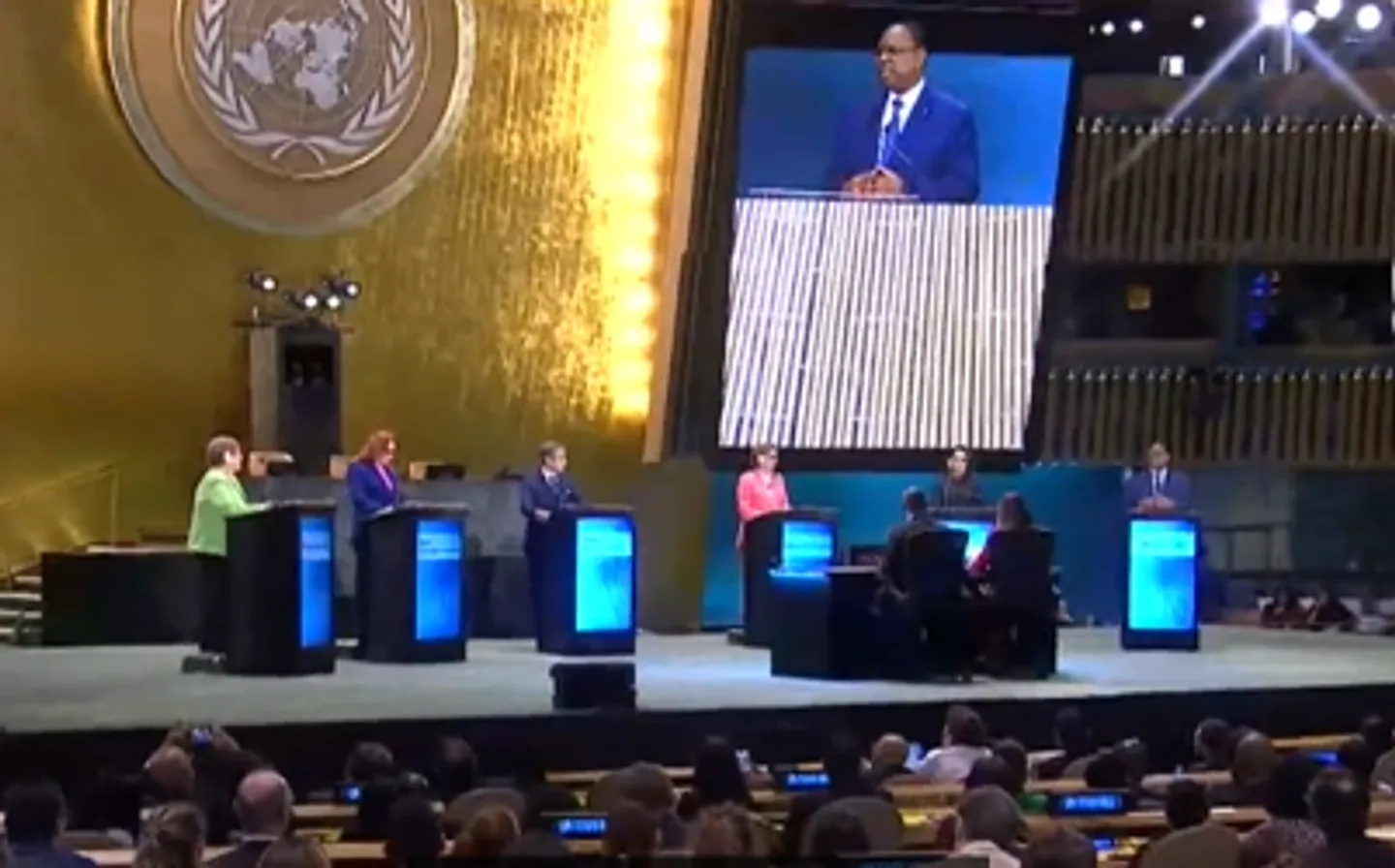
When Boutros Boutros-Ghali become United Nations Secretary-General for 1992, Africa don show say e fit turn the number wey dem get for UN into real political power.
Four years later, when United States veto the bid for Boutros-Ghali second term, African countries gather body again. Plenty people enter the race, and at the end Ghana man Kofi Annan become the second African wey lead the world organisation.
Professor Ibrahim Gambari — wey be Nigeria foreign minister for 1984–1985, na im be Permanent Representative to the UN from 1990 to 1999, and later UN Under-Secretary-General — tell TRT Afrika for exclusive interview say the difference between that time and today race strong well-well.
Gambari talk say for that time Africa dey go the race with clear and coordinated strategy. Today, he talk say the continent no get that same unity.
No common strategy as Africa enters UN race
The UN Security Council do the second informal poll on Friday, August 21, to find who fit succeed António Guterres. Christina Markus Lassen, Denmark Permanent Representative to the UN and president of the Council for August, announce say the voting don finish and say dem go tell the candidates through the permanent representatives of the states wey nominate dem. The results no officially announce.
From tallies wey dey circulate after the vote, Guyana Permanent Representative to the UN, Carolyn Rodrigues-Birkett, show as frontrunner with eight 'encourage' votes, while Costa Rica Rebeca Grynspan, wey lead the first round with 10 votes, and Argentine Rafael Grossi, Director General of the International Atomic Energy Agency, each get seven votes. None of the eight candidates reach the nine votes wey the Council need make e fit give formal recommendation.
Former Senegal President Macky Sall keep him position from the first round with six 'encourage' votes. Ugandan diplomat Olara Otunnu climb to five votes, from two wey e get for first round. The African Union never formally endorse any candidate yet.
Answering TRT Afrika questions, Ibrahim Gambari say na him be Nigeria Permanent Representative to the UN for New York when the continent secure election of the two African Secretaries-General up till now, and he play important role for the process. He sum up the African Union candidate-selection process like this: there no coordination, no proper process and no common strategy in the African Union about the matter.
The strategy behind Africa’s UN campaigns
For the campaigns wey lead to the election of the two African UN secretaries-general, Africa no hold only one candidate from the beginning. Gambari point five things wey the continent do that time wey dem never do this time. The Organisation of African Unity (OAU), as the continental body dey call am then, get wetin he call a clear and united strategy.
That strategy come from earlier failure. In 1981, Africa present single candidate, Salim Salim of Tanzania, but Reagan administration veto am, and Africa remain without fallback option, Gambari say. After that Africa present a slate of candidates wey include Boutros-Ghali, Bernard Chidzero, Olusegun Obasanjo and others.
The list dem draw up after dem consult African capitals. Gambari, wey be Nigeria Permanent Representative to the UN then, say the work land for him. The OAU instruct am as Ambassador/Permanent Representative of Nigeria and representative of the then Chairman of the OAU to work with the African Group of Ambassadors to the UN, make dem consult their capitals, come generate list of candidates for the UNSG position and submit am to the AU Summit wey hold for Abuja for consideration and adoption.
The Summit no accept the list as e be. Boutros-Ghali no dey the initial list; Olara Otunnu of Uganda dey. The Summit change the list by adding Boutros-Ghali and remove Otunnu because President Museveni oppose am. Gambari point say e funny say the same president, 35 years later, nominate the same person for the same position.
The OAU Summit also set up political body to lead the campaign: the Summit for Abuja create a Committee of Heads of State and Government under Chairman Babangida of Nigeria to meet and steer the process to get an African to emerge as UN Secretary-General. That thing happen.
For the same time, dem dey do lobbying inside the Security Council. Gambari say Africa work close with the Non-Aligned Movement to look for support from Movement members wey dey the Council, and dem make clear request: make dem no vote for any non-African candidate for the straw polls for secretary-general.
The fifth element show after dem lose one round. When Boutros-Ghali chase second term, Africa come meet again for the OAU Summit for Yaoundé, Cameroon, and adopt resolution wey support him candidacy, Gambari say. But the United States veto Boutros-Ghali re-election, and the OAU call on member states make dem nominate candidates to replace Boutros-Ghali with another African. Several countries, including Ghana, do so and Kofi Annan emerge as the second UN Secretary-General from Africa.
For Gambari, the reason Africa succeed na political coordination, structured continental process and the willingness to keep one common strategy even after the first choice block.
The Question Africa Should Be Asking
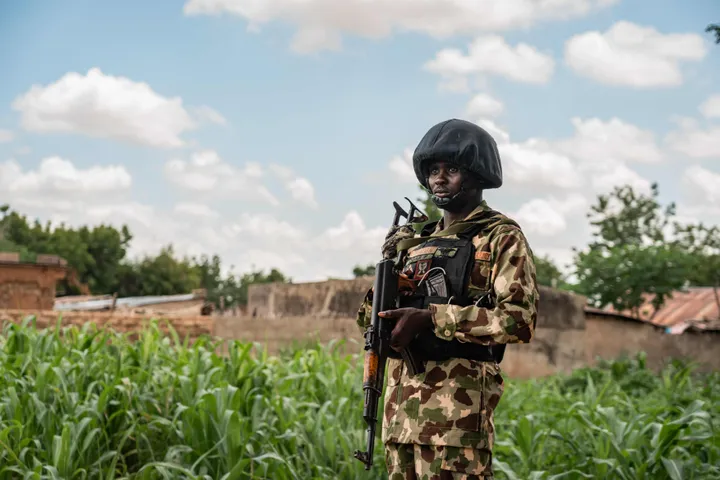
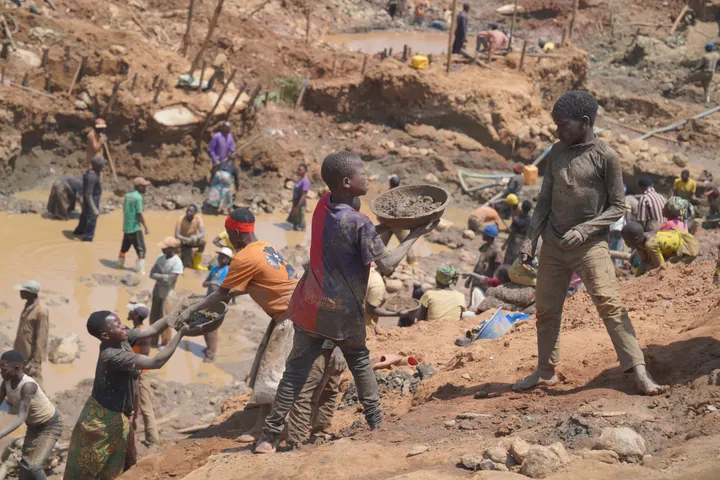
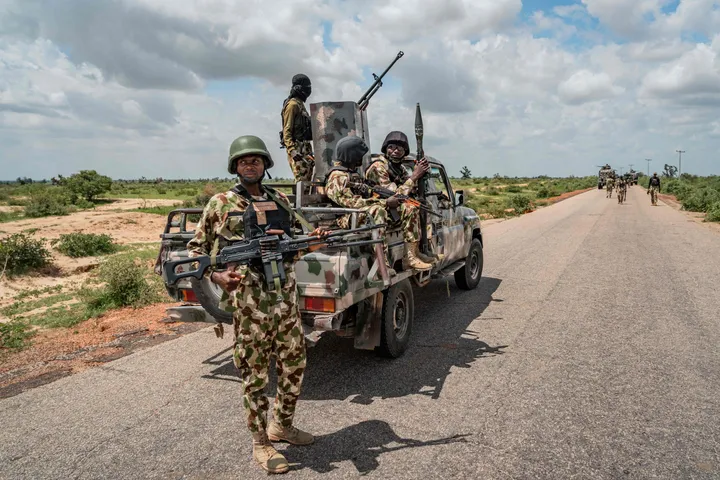




The quick question na who go succeed Secretary-General António Guterres wey term end on December 31, 2026. But the wahala for Africa pass only who go be the next UN chief.
If Africa run successful campaign, e go give the continent chance to shape UN agenda from the organisation top administrative and diplomatic office. But if campaign scatter, e do the opposite: e go make people believe say the number wey Africa get for UN no mean say dem fit form collective political power.
Gambari conclusion from this round no be say Africa suppose rally behind only one candidate. Na opposite he talk: him believe sey Africa suppose hold the rotation principle for the process of selecting the successor of Secretary-General Guterres. In other words, the continent suppose enter the race behind a principle, not just behind person.
Him reasoning pragmatic: the principle don favour Africa for recent past, Gambari say, and if dem keep am, e fit again produce Secretary-General of either gender next but one time around. This no be about only this race or even the next one; na longer-term calculation. The choice by Africa to put two candidates for this race fit weaken that calculation.
So for African governments the real question no be whether one of their candidates fit win, but whether the continent fit rebuild the political coordination, consensus and long-term strategy wey dem need to compete well for the UN top post and secure lasting voice for the institution most powerful decision-making bodies. Africa don already show twice say dem fit do am. The question now be whether dem fit organise again to do am.
Why Africa Still Has No Seat at the Table
Africa make more than quarter of UN membership, but e never get permanent seat for the Security Council. Gambari describe the present composition with three words: anachronistic, unjust and out of tune with the global power reality of our time.
The numbers show this: the current arrangement put in place for 1945 when Africa get only three or four members for the United Nations, Gambari say. Now Africa get 54 members and not even one permanent member for the Security Council. He compare am say Europe, including Russia, get three permanent members.
The contradiction still dey. For about the last three decades, the Security Council agenda don dey dominated by violent conflicts and wars for Africa, Gambari say. Meaning, while the continent dey most represented for the Council agenda, e still dey excluded from the Council permanent decision-making structure. Gambari link the consequence direct to the Council: the denial of permanent seats for Africa undermine the legitimacy, credibility and authority of the Security Council, and this thing must be addressed.
Reforming this structure don long time be one of Africa demands, and some progress dey paper for recent years. The Pact for the Future, wey General Assembly unanimously adopt on September 22, 2024, include commitment to address the historical injustice against Africa as priority, and also provide improved representation for Asia-Pacific and Latin America and the Caribbean.
Gambari read this as people dey give Africa priority consideration for permanent seats in both categories of membership if the Council reform and expand. But he dey doubtful say this thing go move for road quickly. Personally, he very much doubt whether the needle of political will, especially from the current unelected veto-wielding permanent members of the Council, go move much further any time soon.
So the secretary-general race no be only contest for Africa. E be the latest sign of the long struggle about representation and influence.
What Comes Next
The Security Council go still hold more rounds of voting before December 2026, and outcome still uncertain. But wetin ever happen for this race, Gambari warning point to wider lesson for Africa.
The continent successful campaigns for 1992 and 1996 build on early coordination, clear strategy, multiple candidates and the ability to change plan when the first choice fail. To rebuild that kind of political coordination fit matter pass any individual candidacy.
The next UN secretary-general go still come out from process wey still dey unfold. For Africa, the bigger question don clear: fit the 54 UN members turn their collective weight into collective influence?