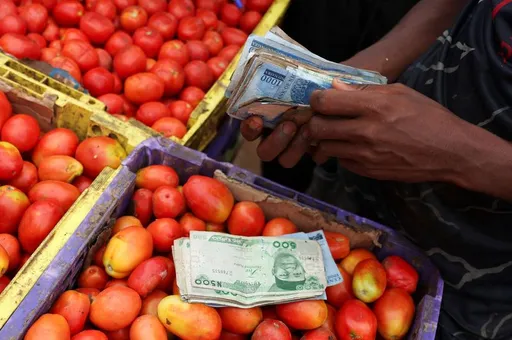
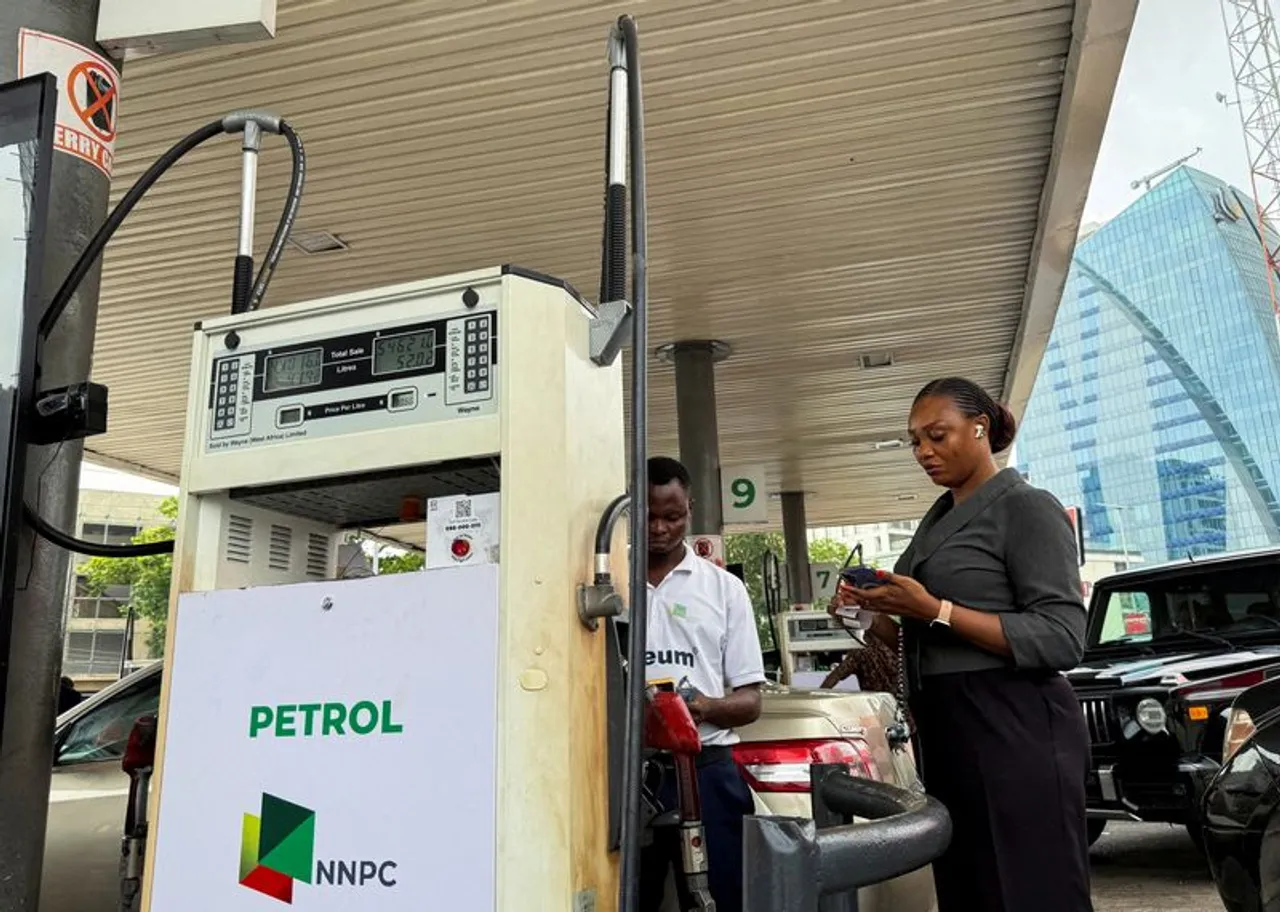
Experts for finance and development sector don raise alarm about di advice wey International Monetary Fund (IMF) give, say Nigerian goment suppose charge Value Added Tax on fuel products.
Di experts talk say di advice no come at di right time.
IMF bin tok say Nigeria fit need to extend VAT to fuel products and add excise duty for telecommunication services, so dat government fit get more money, fund development, and take care of social spending.
Dis recommendation dey inside IMF’s 2026 Article IV consultation report on Nigeria, wey dem release on June 9. Di Washington-based lender tok say di recent tax reforms wey government don do fit no be enough to support government spending plans for di medium term.
Di director of Institute of Capital Markets Studies, Nasarawa University, Keffi, Professor Uvhe Uwaleke, tok say one of di IMF recommendations wey dey cause trouble na di suggestion say additional tax policy measures fit dey needed for di medium term, including possible increase for VAT, extension of VAT to fuel products, rationalisation of tax expenditures, reduction of exemptions, and introduction of telecommunication excise duties.
Professor Uwaleke note say even though di goal to increase revenue make sense, di timing and situation of dis kind proposals dey raise real concerns.
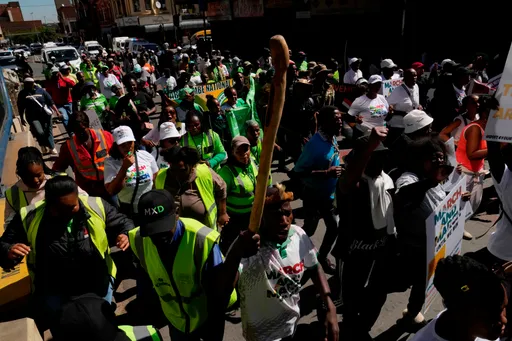
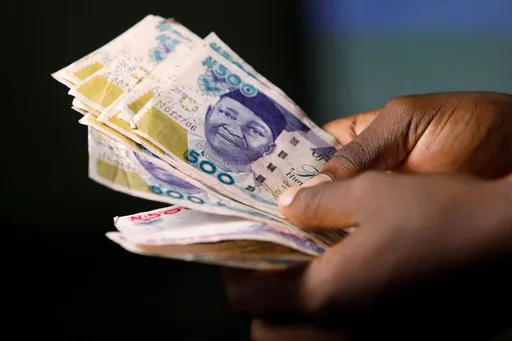
“Nigeria right now dey experience one of di worst cost-of-living crises for recent history. Households don already dey struggle with high food prices, transport costs, energy bills, housing expenses, and di value of money dey drop. To increase indirect tax under dis kind situation go likely make di suffering worse, reduce wetin people fit buy, and further stress families,” e tok.
E explain further say tax policy no suppose to judge based on revenue generation alone, but also based on di wider social and economic consequences.
“Before dem think of adding more tax burden, dem suppose first focus more on improving tax administration, widening di tax net, reducing leakages, making sure people pay dia tax, and stimulating economic growth — becos when economy grow, di revenue base go naturally increase. Di good news be say all dis things don dey addressed for di ongoing tax reforms.”
“Di proposal become even more problematic when you look am against di background of Federal Government reported plans to borrow USD5 billion loan from one Abu Dhabi financial institution, under terms wey reportedly require collateral wey value around 133.3 percent of di loan amount. Dis kind financing arrangement dey raise serious questions about debt sustainability, asset security, and long-term fiscal wisdom.”
BIZNESS AN TEKNOLOJI
3 minit wey yu go read
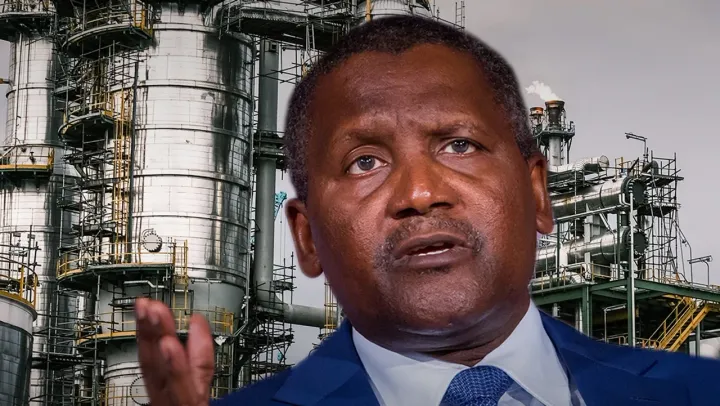
Concern dey for Nigeria as IMF tell goment to add VAT for fuel products
IMF bin tok say Nigeria fit need to extend VAT to fuel products and add excise duty for telecommunication services, so dat government fit get more money.





Explore