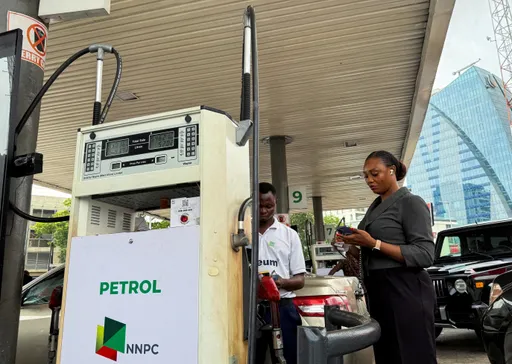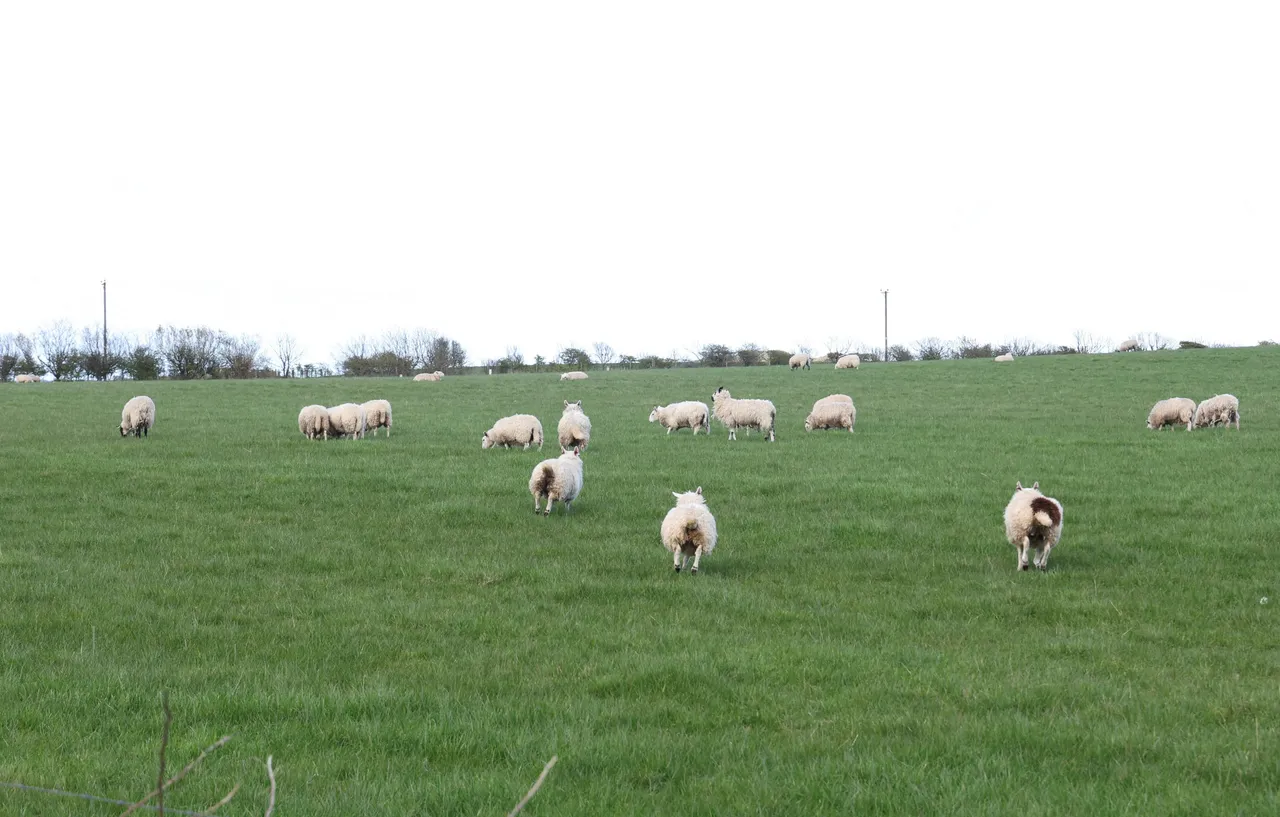
Nigeria dey look to take share for di global halal meat market wey worth over $2 trillion.
Di country dey use im plenty livestock, improve di certification systems, and follow di growing investments wey dey come to turn di sector into big export business.





Dis ambition dey come as global demand for halat products dey rise, sake of di fast-growing Muslim population and consumers wey dey care more about quality.
According to IndexBox report on Asia halal food market, dat region alone go account for between $900 billion and $1.1 trillion, based on over 1.8 billion Muslim consumers. Demand don dey stretch beyond meat go processed foods, pharmaceuticals, and special ingredients.
Di person wey dey lead dis push to enter di market na di Head of Operations for Dar Al Halal Certification, Dr. Maiyaki Sani. Im talk say Nigeria get strategic advantage to supply key halal markets like Saudi Arabia, UAE, Qatar, Malaysia, and Indonesia.
Sani explain say tight global regulations dey change how trade dey flow, as importing countries dey enforce stricter compliance with Islamic dietary laws.
“Dese include proper Islamic slaughtering methods, humane treatment, and ethical processing, wey dey align with di strict halal regulations of Saudi Arabia, Malaysia, Indonesia, and GCC nations,” im talk, adding say dis guarantee say meat products dey authentic, transparent, and “100 per cent halal-certified.”
Im note say di competitive edge for global halal market dey depend more on “branding, certification integrity, and consumer trust,” especially as concerns over food fraud, mislabelling, and cross-contamination dey push regulators toward full supply chain traceability.
Data from IndexBox report show say halal-certified ingredients like emulsifiers, enzymes, and gelatin alternatives dey grow at 8–10 percent every year, while new segments like plant-based and lab-grown halal proteins dey enter pilot stages for markets like Singapore, Malaysia, and UAE, attracting premiums of 30–50 per cent among younger consumers.
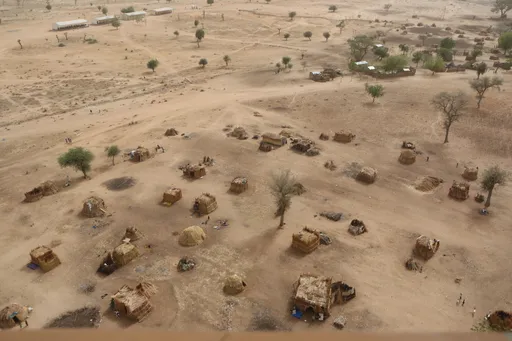
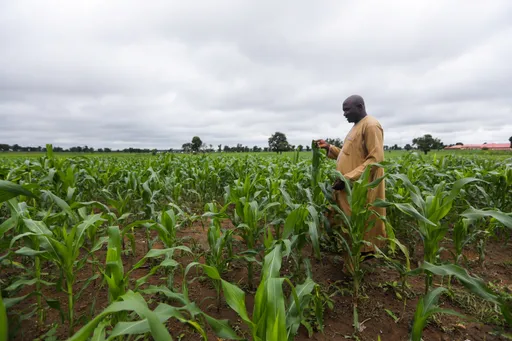
According to analysts, Nigeria opportunity no only dey for export but also for fixing structural inefficiencies inside di local livestock economy.
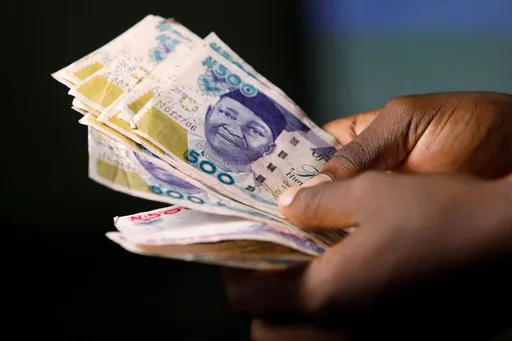
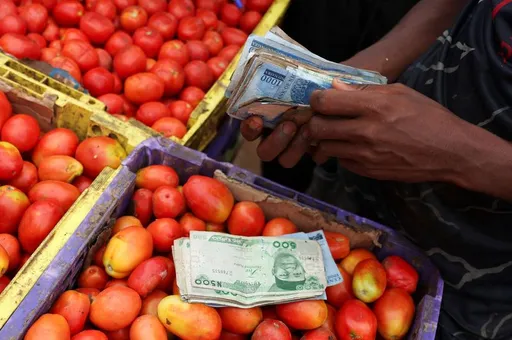
Wit estimated livestock population wey pass 200 million and annual meat consumption about 1.5 million metric tons, Nigeria represent one of Africa largest animal protein markets. Di red meat segment alone, analysts note, dey worth roughly ₦1 trillion for production level, with even higher value for retail.