Sun dey blaze for the dry land of Turkana County for north-west Kenya, temperature dey always climb pass 40 degrees Celsius. For this one wey be one of the most remote and poor areas for the country, Akiru Lokwang don spend her whole life dey watch national grid pass like promise wey no ever land.
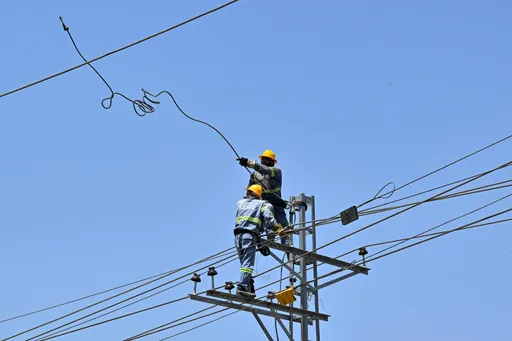
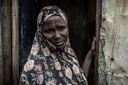
At forty-three, mama of five and grandmother of two, Akiru dey small manyatta for outskirts of Lodwar. For her compound, she fit see the transmission lines wey dem string across the savannah—steel towers wey dey carry electricity from the geothermal plants for the Rift Valley go other parts of the country. The power line pass within few kilometres from her house. Yet she never get connection.
"I dey see the poles every day," Akiru tell TRT Afrika, her voice carry small resignation and quiet defiance.
"Dem stand there like silent witnesses to our struggle. The electricity pass over our heads, but e be like say e dey for the moon. Government dey talk say the grid dey here, but wetin e mean when we no fit afford to tap into am? The connection fee alone pass wetin I dey earn for three months. Then na the wiring inside the house, the meter installation, the monthly tokens. My neighbours and me, we dey look those poles and we dey ask ourselves—whose electricity be this really?"
Akiru situation show one cruel paradox wey dey define energy poverty across Africa: infrastructure dey, but affordability dey keep millions locked out.
'Energy na survival'
The latest edition of Tracking Sustainable Development Goal 7 (SDG 7): The Energy Progress Report, wey dem release for July 2026, show say even where the grid reach communities, connection fees, internal wiring costs and ongoing electricity expenses remain big barriers for the poorest households.
For Sub‑Saharan Africa, 560 million people dey live without electricity—number wey big reach pass the whole population of the European Union. Add to that the 970 million Africans wey no get access to clean cooking solutions, and you go begin understand how yawa the crisis be.
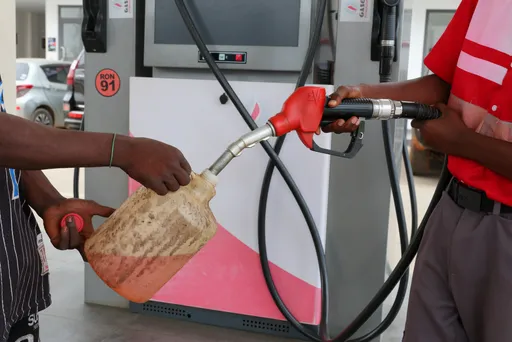
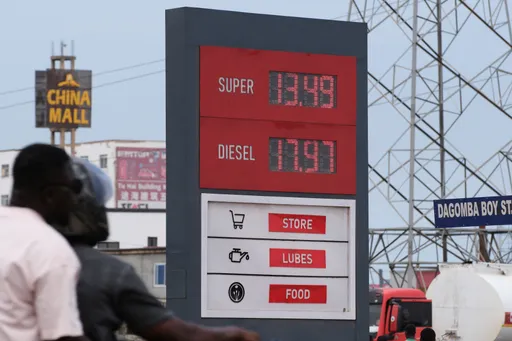
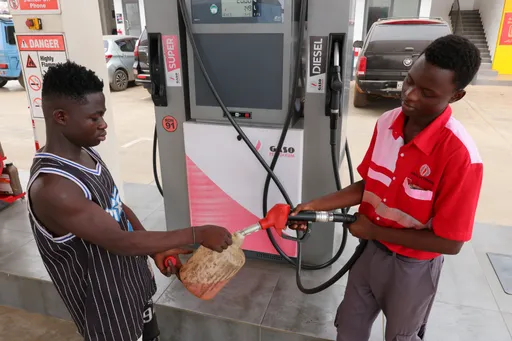
Five thousand kilometres west, for Lagos, Nigeria, Adebayo Ogunlesi dey run small tailoring shop for the busy Ajegunle neighbourhood. Him invest $800 for sewing machine and small generator after Nigeria national grid do yeye too much. But fuel for the generator dey waka half of him profits.
"People dey talk about the future of energy as if na luxury," Adebayo talk, him hands hard from years of cutting fabric by hand. "But for we, energy na survival. My shop need electricity to run. My children need light to study. My wife need clean cooking to keep our family healthy. Every day, I dey burn money on petrol for the generator, and every day I dey watch smoke from cooking fires full our house. We dey pay for energy three times over—in money, in health, and in lost opportunity."
Adebayo frustration mirror the report main finding: affordability still major obstacle to expanding electricity access. The pace of electrification for Sub‑Saharan Africa don slow down, and the report warn say progress must triple if we wan reach universal access by 2030.
Off-grid solar
But even inside the heavy statistics small hope dey. The report talk say renewable energy now supply over 30 per cent of global electricity consumption, and renewable energy generating capacity reach global record of 544 watts per person.
Distributed renewable solutions—including off‑grid solar and mini‑grids—don dey serve hundreds of millions of people, offering a cost‑effective road to electrification for remote communities.
"The IEA dey work with governments, industry and international partners to accelerate the investment and policy action wey needed to achieve universal access worldwide, particularly for clean cooking," Fatih Birol, Executive Director of the International Energy Agency, talk.
"Even though SDG7 na energy goal, the benefits extend pass the energy sector—improving health, expanding economic opportunity, strengthening security and building more resilient communities."
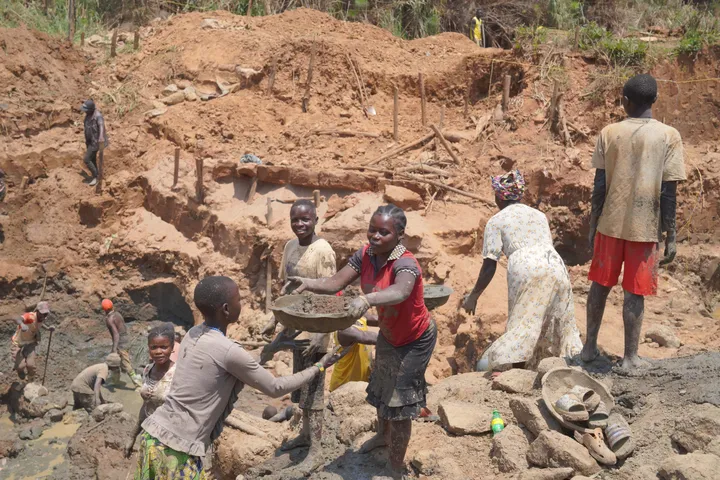


But the scale of investment wey dem need still dey fear. International public financial flows wey dey support clean energy for developing countries only increase small to $24.6 billion in 2024—a figure wey no near enough for the size of the challenge.
For the least developed countries, these flows actually drop by 11 per cent, dem record only $3.7 billion. Debt‑based financing still dey dominate, na 80 per cent of total flows.
"Recent global energy shocks don make one thing clear: countries wey get strong renewable energy capacity dey better positioned to withstand economic and supply disruptions," Francesco La Camera, Director‑General of the International Renewable Energy Agency, talk.
"Accelerating deployment of cost‑competitive domestic renewables must now be central to strengthen both energy security and economic resilience, while we pursue SDG 7. To achieve this, the international community must prioritise affordable and tailored financial support, particularly for least developed countries wey dey face the greatest barriers to access."
The health consequence of no action impossible to ignore. Household air pollution from cooking fuels dey responsible for about 3 million deaths every year—a silent disaster wey hit women and children more.
Health goals
"Universal access to clean and sustainable energy no be only energy challenge; na fundamental health imperative. Household air pollution from cooking fuels dey cost millions of lives, dey cause long‑term disease and disability, and dey harm our environment. E disproportionately burden displaced populations and women and girls wey dey spend hours gathering fuels, making inequality worse for the most vulnerable," Dr Tedros Adhanom Ghebreyesus, Director‑General of the World Health Organization, talk.
The rural‑urban divide make the crisis worse. While 89 per cent of urban people get access to clean cooking, only 56 per cent of rural residents get that access. For Sub‑Saharan Africa, the rural electricity deficit don grow from 376 million in 2010 to 447 million in 2024. If we no act urgently, the number of people without access to clean cooking for the region fit reach one billion by 2027.
As world leaders gather for the High‑Level Political Forum on Sustainable Development for New York from 7 to 15 July 2026, the message clear: the current pace of progress no enough. Global access to electricity don stagnate at 92 per cent, and annual growth don half compared to the previous decade.
"The current global energy crisis present opportunity to accelerate the transition to clean energy in support of energy security," Li Junhua, Under‑Secretary‑General for Economic and Social Affairs at the United Nations, talk.
"Seizing this opportunity go require big scale‑up of international support and investment. We no fit afford complacency. The time to act with greater urgency and ambition na now."
For Akiru Lokwang for Turkana and Adebayo Ogunlesi for Lagos, the statistics no be abstract—na the texture of everyday life. Every evening without electricity na missed opportunity. Every meal wey dem cook with charcoal na risk to health.
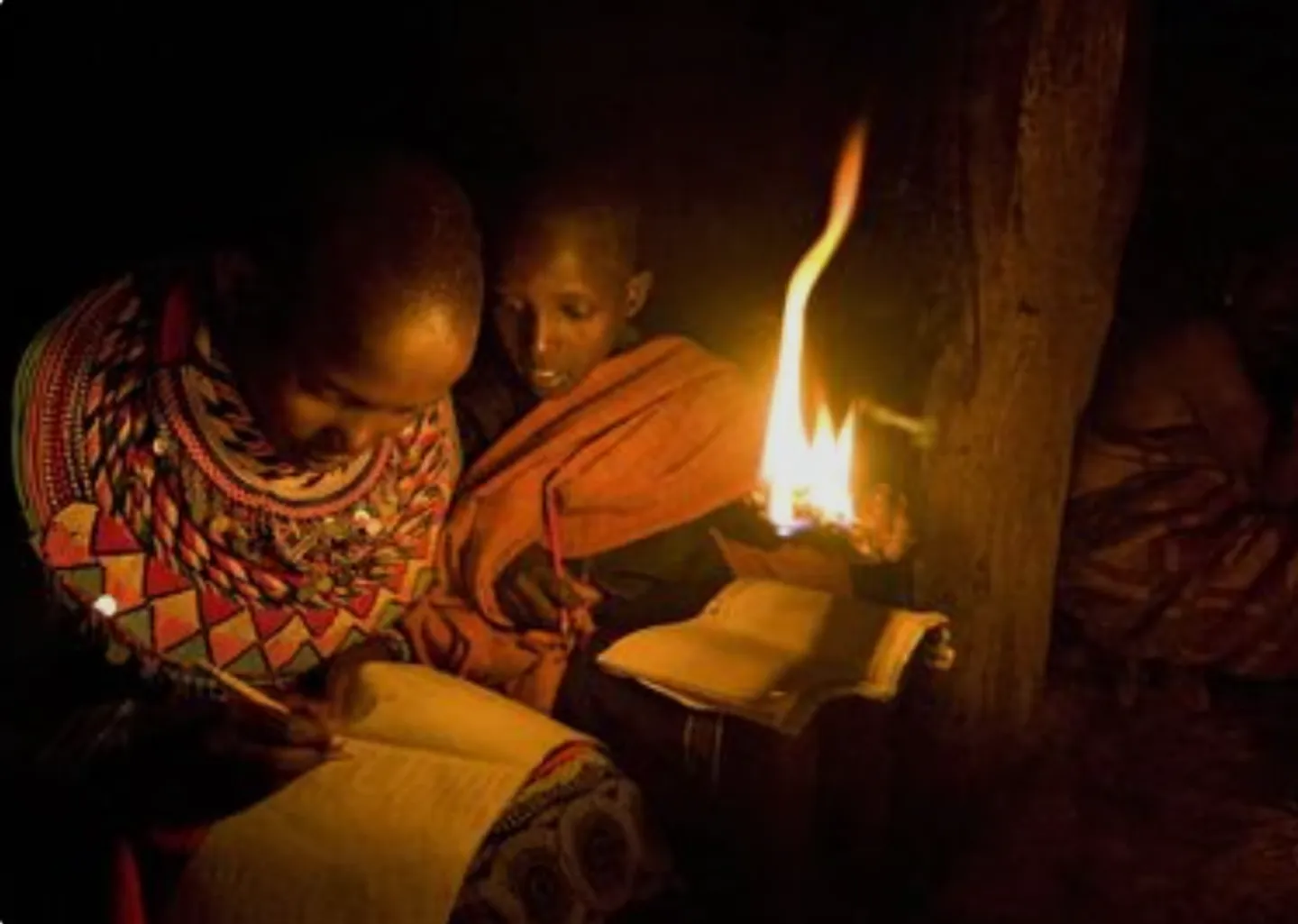
As the sun set again over the Turkana plains, Akiru gather her grandchildren around the small kerosene lamp, the flickering flame dey throw long shadows for the walls of her manyatta. Through the doorway, she fit see the transmission lines silhouetted against the orange sky—a constant reminder of the power wey pass her home but no ever reach am.
"You sabi wetin dey keep me going?" she talk softly, her voice carrying the resilience wey the harsh desert don form over decades. "The belief say my grandchildren no go live like this. Say one day, when dem switch light on, e go remain on. Say dem go cook food without smoke wey go burn dia eye. Say dem no go need choose between buying food and buying fuel. Access to electricity no suppose depend on how much money you get for your pocket."