Di Minister of Finance and Coordinating Minister of di Economy for Nigeria, Mr. Wale Edun, don talk say di government don take concrete steps to respond to di current global economic wahala.
But some experts warn say if government make mistake for trade and revenue systems, e fit eventually hurt consumers, because inefficiencies dey increase cost for di whole supply chain.








Dem also caution say di relative stability of naira dey cost plenty money to maintain, as foreign exchange reserve dey reduce, wey show say government still dey use plenty resources to defend di currency despite di global uncertainty.
Di ongoing US-Israel Iran war don cause sharp increase for crude oil price, scatter supply of important petro-chemical products, and make pipo fear for global economics. Di World Bank and International Monetary Fund (IMF) project say inflation go rise and global economic growth go reduce.
For one statement wey dem release for Abuja yesterday, di minister note say di Middle East war don create volatility for global energy sector wey don affect Nigeria, just like oda countries for di world.
Im talk say, however, di Federal Government don increase crude production, maintain free foreign exchange market, and continue di Naira-crude policy to reduce how dis global economic shock go affect Nigerians.
Di minister say: “Di Federal Government dey stress say Nigeria dey enter dis period of global uncertainty from a position of stronger economic foundation compared to recent economic shocks like COVID-19 and di Russia/Ukraine war shock, all because of di macroeconomic reforms wey dem don do since May 2023.
“For di last few weeks, di government don strengthen di country’s economic position and as response to di crisis, dem dey continuously find ways to improve oil production, wey now dey 1.86 million barrels per day, according to recent data.”
Edun, wey identify three main ways wey di crisis fit cause risk to Nigeria economy, talk say:
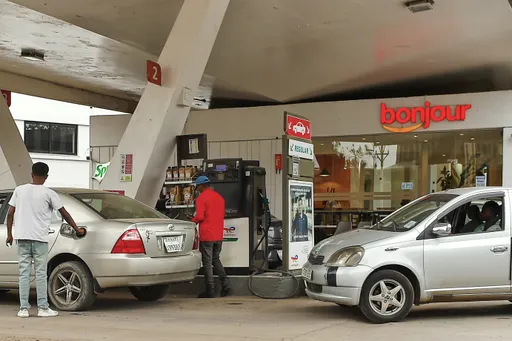
“Fuel, diesel, and gas prices: Volatility for global energy markets don already dey affect domestic energy-related goods, wey directly affect prices and di standard of living of Nigerians.
“Petrol price don rise by over 50%, from about N890 – N900 to N1260 – N1330. Diesel price don shoot up by over 70%, from N1,100 per litre to about N1,550 at di peak.
“Capital flow and financial markets: Increased geopolitical risk dey often make global investment pattern change, as investors dey move their money to safe-haven assets. Dis kind of movement fit affect capital wey dey flow into emerging markets like Nigeria, as well as oda financial market conditions.
“Global logistics and supply cost: Disruption to major shipping and energy supply routes fit increase international freight and logistics cost, wey fit translate to higher import cost and more pressure on domestic prices.”