Wetin dey happen when Pacific Ocean dey unusually hot?
E fit look like say na something wey dey happen thousands of kilometres away from Africa.
But that extra heat fit affect weather systems around the world — including Africa.
Na El Niño we dey talk about.
Some countries for the continent don already dey prepare for the possible wahala from the heavy rains wey dem dey expect.
World Meteorological Organization (WMO) talk say the El Niño wey dem dey expect for the next months fit be one of the strongest wey don happen for the last forty years.
'This forecast dey show say almost 100% chance that El Niño go continue till February 2027,' Celeste Saulo, Secretary‑General of WMO, talk when the agency issue the warning.
Different kind effects wey El Niño fit get
But El Niño no dey affect every country the same way.
How e go affect one place depend on the area, the season and how strong the El Niño event be.
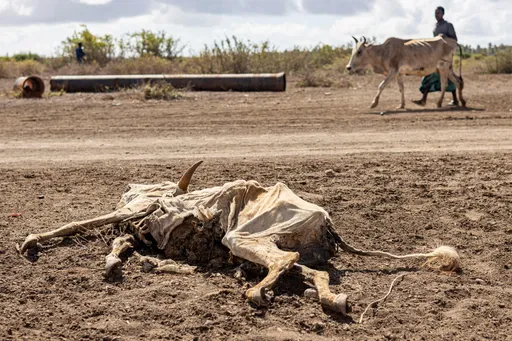
For Southern Africa, El Niño dey often bring less rain than normal during the main rainy season.
That fit lead to drought, water shortage, fall for crop production, loss of livestock and more food insecurity.
But for East Africa the story fit turn different.
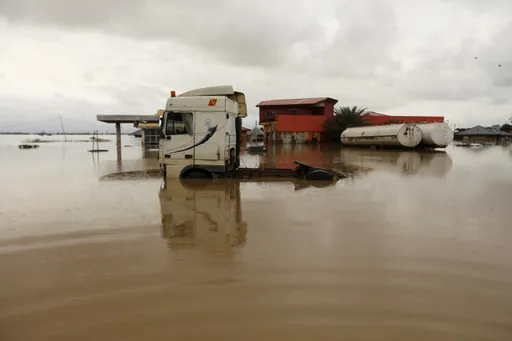
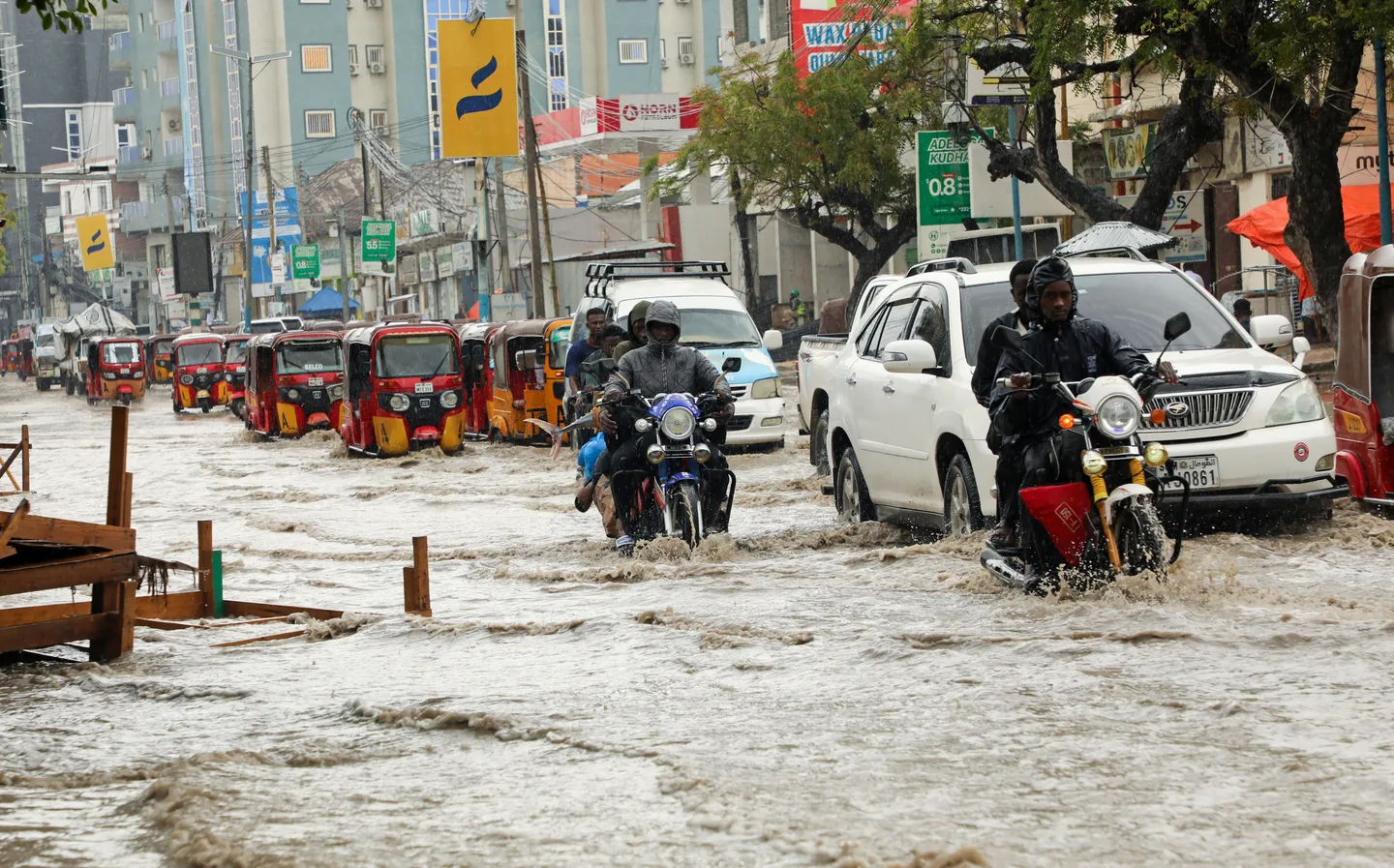
Some El Niño events dey bring plenty rain, wey fit increase risk of floods and landslides.
Countries like Kenya, Tanzania, Uganda, Rwanda, Burundi, Somalia and parts of Ethiopia fit see big changes for rainfall during El Niño, and this fit cause serious disasters.
This kain worry don make some leaders begin issue warnings, Tanzania na one of dem.
'There are things we must act on quickly; if we wait, we ourselves go fail to reach where we suppose reach,' Deogratius John Ndejembi, Vice‑President of Tanzania, tell different government outlets in October.
As the El Niño season near, countries dey tighten up their preparedness steps.
For Kenya, the government don secure about US$400 million from the World Bank as emergency funds to help respond to El Niño impacts.
Kenya don also identify 18 counties as high‑risk areas, including coastal counties like Mombasa.
For Mombasa, authorities don start to set up emergency rescue centres and to coordinate with key agencies.
'Our social hall go turn rescue and shelter centre. If anything happen, we don work with the Navy, Kenya Airports Authority and Kenya Ports Authority to make sure services like ambulances and fire equipment dey ready,' Abdulswamad Nassir, Governor of Mombasa County, tell journalists in October.
The county also order make construction activities stop mixing sand and ballast on site as a way to reduce flood risk.
'Current building approvals show say anybody wey wan build must use pre‑mixed concrete. That one mean say mixing concrete, ballast and cement for site no go dey allowed again,' the Governor add.
Different strategies for East African countries
Kenya don launch a programme of 2.1 billion shillings to protect pastoralists in 24 counties against losses, disease outbreaks and floods linked to El Niño.
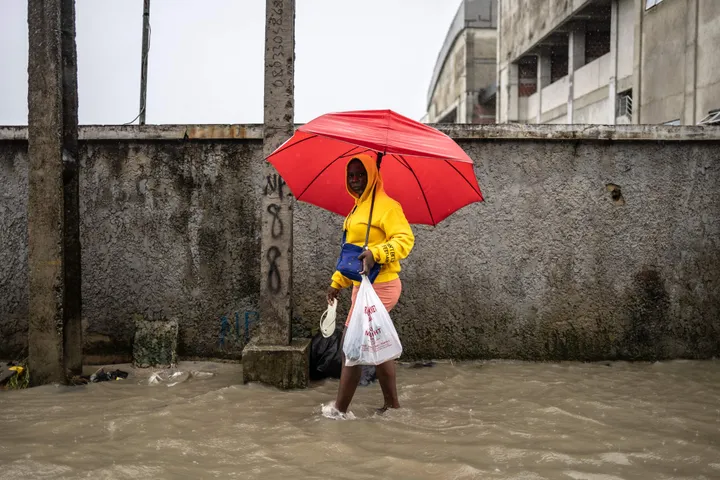
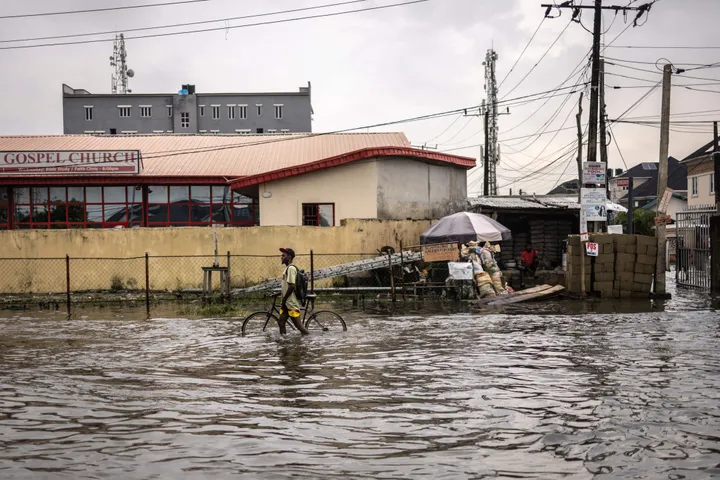
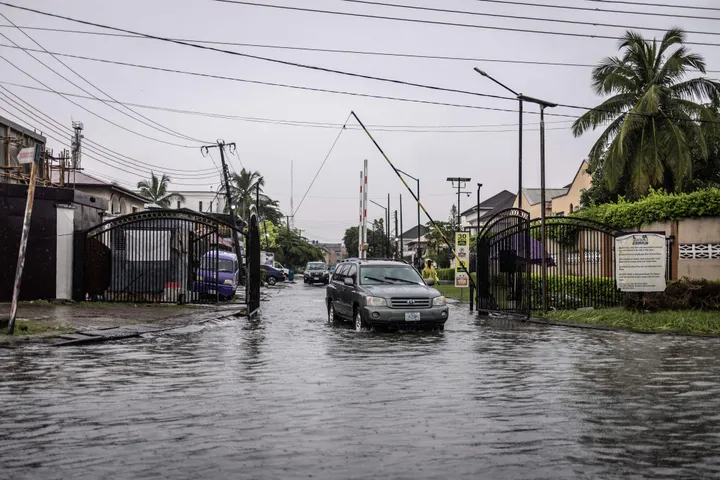
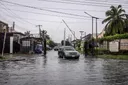
Many countries wan use the lessons from the 2023 El Niño and the floods of 2024 to avoid repeating the big losses of people and livestock.
For neighbouring Tanzania, the government don set aside 730 billion shillings for disaster preparedness, emergency measures and repairs to key infrastructure.
Authorities dey encourage communities to clear drainage channels and clean waterways before the heavy rains start.
'I want a quick campaign to make sure our drains and channels don dey cleaned... anywhere wey drainage don clear make the rubbish wey dem remove go comot before the rain increase — the El Niño we dey expect,' Vice‑President Ndejembi ordered.
The government also dey look at bridges, culverts and other infrastructure wey heavy rains fit overwhelm.
Tanzania Civil Aviation authority dey strengthen emergency steps at airports, backup power systems and communications to reduce the risk of big disruptions.
Medical warehouses don also get instructions to store essential medicines to prepare for a rise in emergency needs.
In Somalia, the Disaster Management agency identify 29 towns across 14 regions wey dey at risk of heavy rains that fit cause floods because of the expected El Niño.
The government dey urge people to move from areas close to rivers like the Shebelle, wey dey known to overflow when heavy rains come.
Uganda, Rwanda and Burundi don also issue warnings, asking communities to clean drains and advising people in flood‑prone areas to relocate to safer places.
This region get direct experience of El Niño impacts.
The last big El Niño event for East Africa na 2023–2024, when heavy rains cause major floods in many countries, destroying homes, roads and farms and disrupting people’s livelihoods.
That experience give important lessons.
Early El Niño impacts show say e important to get better infrastructure, stronger emergency response teams, clear evacuation plans and early warning systems.
Farmers need timely information about when to plant, which crops suit the expected conditions, and how to cope with too much rain.
Floods fit also create conditions wey make diseases like cholera and malaria spread more.
Regional organisations like IGAD and ICPAC get important role to help governments share weather data, forecasts, warnings and preparedness plans.
This regional cooperation important because El Niño impacts fit cross national borders — one weather system fit affect many countries at once.
Preparing for El Niño no be only about weather forecasts and emergency teams.
E also touch financial preparedness.
Responding to disasters need plenty money, and African countries must design different ways to secure resources on time.
For many communities across Africa, the real test of El Niño go be whether governments don prepare well enough to handle big disasters now and in the future.