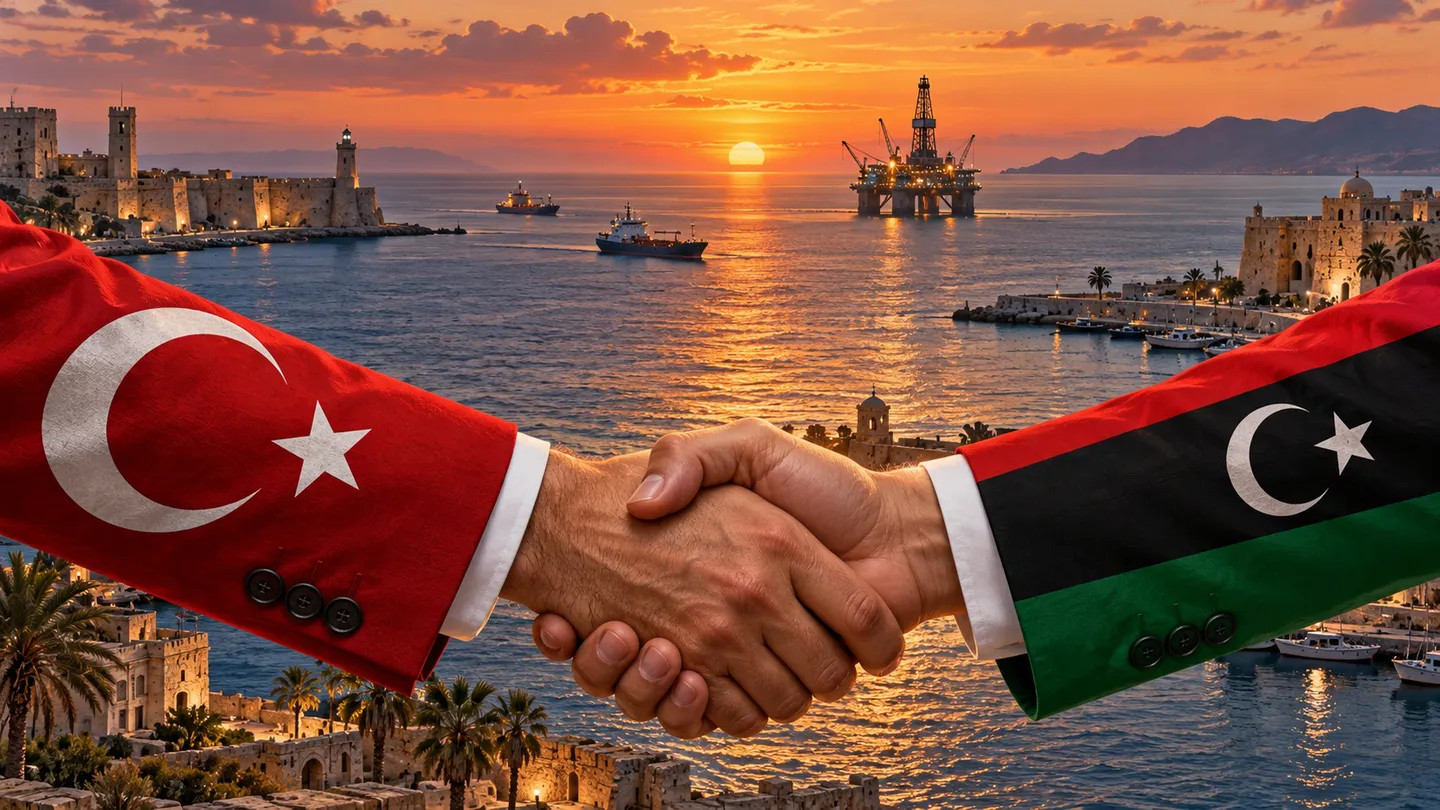
Some years back Turkey and di east Libya authorities dey on opposite sides for armed conflict. Ankara dey help di government for Tripoli to resist di advance of di Libyan National Army under Field Marshal Khalifa Haftar, while di House of Representatives of Libya dey reject agreements with Turkey and dey call make dem cut political relations. Now dem same political institutions don approve one of di most important documents for Ankara — di agreement wey dem sign about demarcation of maritime jurisdictions for di Mediterranean.
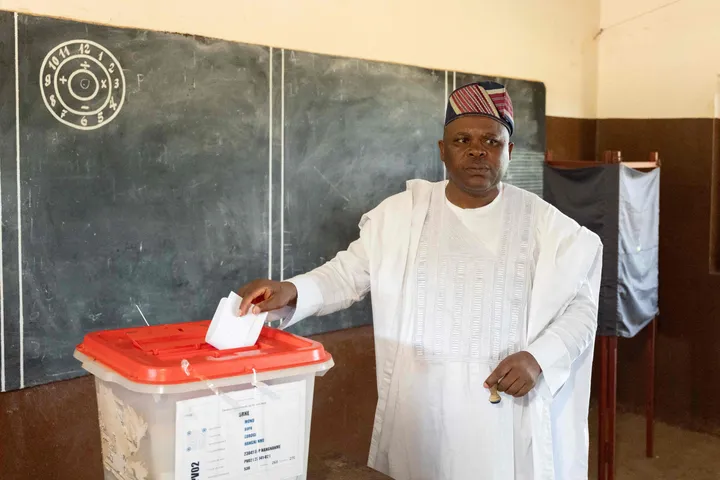
On 20 October di House of Representatives of Libya, wey dey sit for Benghazi, unanimously approve di memorandum wey Turkey and di Government of National Accord of Libya sign on 27 November 2019. Di MPs also cancel two resolutions from 2020: di one wey refuse to ratify agreements with Ankara and di one wey call for cutting political relations with am.
Di decision no only matter for bilateral relations. E change di political basis of one of di sharpest disputes about maritime zones in di Eastern Mediterranean.
If before Turkey had to defend di agreement wey dem sign with di Government of National Accord based in Tripoli, now di parliament wey before oppose Ankara don support am too.
From military confrontation to talks
In 2019, when di Libyan National Army under Field Marshal Khalifa Haftar dey push on Tripoli, Turkey become main external military partner of di Government of National Accord led by Fayez al-Sarraj. Turkish support play important role for pushing back di offensive in 2020. Di military cooperation come together with signing of di maritime memorandum wey fix Ankara and Tripoli positions on demarcation of maritime spaces.
For di east Libya authorities both forms of cooperation look like threat. Turkish military presence block Haftar plans to take control of di capital, and di maritime agreement sign without di consent of di parliament wey dey sit for di east of di country.
But later Ankara gradually expand contact with Benghazi, while still keep relations with di government for Tripoli. Dem discuss economic cooperation, reconstruction of infrastructure and security cooperation.
Di change in situation also get help from di restoration of Turkish-Egyptian relations. Cairo don usually support di eastern Libyan forces, so di old rift between Egypt and Turkey make Ankara efforts to talk with Benghazi more difficult. When relations between di two countries normalize, political obstacles for such cooperation reduce.
But di most visible turn happen for 2026, when Turkey increase im involvement for efforts to unite di divided political and military institutions of Libya.
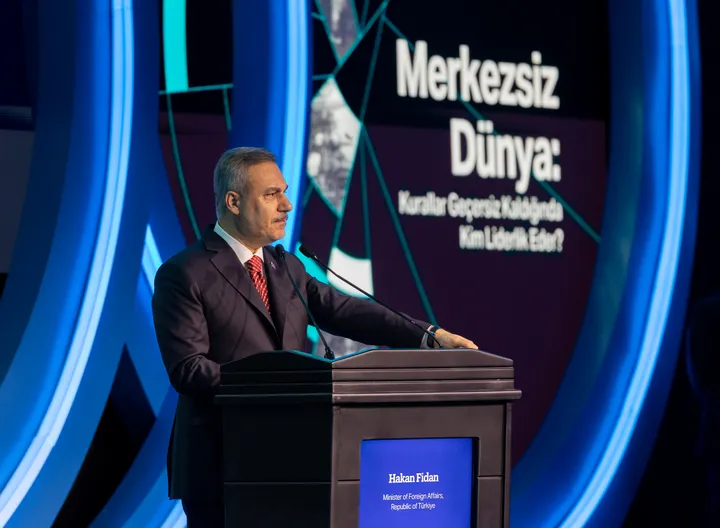
In August Turkish Foreign Minister Hakan Fidan visit Tripoli and Benghazi, where e hold talks with representatives of both political centres. He present these contacts as practical expression of di “One Libya” policy, wey mean support for di country territorial integrity and dialogue between west, east and south regions.
On 30 August representatives of di government in Tripoli and di military command of eastern Libya, with UN help, accept draft agreement on reform of di High National Elections Commission and review of electoral law. Work on di document become one of concrete steps to prepare national elections and restore unified state institutions.
On 10 September di head of Turkey’s National Intelligence Organisation, Ibrahim Kalin, hold talks in Ankara with di Speaker of Libya’s House of Representatives Aguila Saleh and di head of di High Council of State Mohammed Takala. Di leaders of di House of Representatives and di High Council of State discuss how to overcome disagreements, political unification and creation of unified state bodies.
Ten days later Ibrahim Kalin meet in Istanbul with acting Defence Minister of di Libyan Government of National Unity Abdussalam Al-Zubi. This time di talks also touch on unification of di country’s military structures. Al-Zubi welcome Turkey’s contribution to di national reconciliation process.
On 24 September Hakan Fidan at an international meeting on Libya in New York again confirm support for forming a unified government and strengthening state institutions. Representatives from Egypt, UAE, Saudi Arabia and major European countries join di discussion too.
Di rapprochement between Ankara and di eastern Libyan authorities move alongside a wider national reconciliation process. Turkey begin to act not only as partner of individual political forces but also as participant for talks about Libya’s future state arrangement.
This line continue on 20 October. On di day of di parliamentary vote Ibrahim Kalin meet for Tripoli with Prime Minister Abdelhamid Dbeibah. Dem discuss unification of political and military structures, and di head of Turkish intelligence thank Dbeibah, di new House speaker Saleh Abdunnabi and Saddam Haftar for their help to approve di maritime agreement.
At di same time di balance inside di House of Representatives change. Reuters, quoting di head of Libyan analytical centre Sadeq Institute Anas al-Gomati, note say approval of di memorandum get help from di change of parliament speaker in October 2026. Di former speaker Aguila Saleh was seen as close ally of Egypt.
All dis make di 20 October decision no be just small diplomatic concession to Ankara, but part of bigger reshuffle of political relations inside Libya and around am.
Why Benghazi turn towards Turkey
Di change of position by di eastern Libyan leadership no just because of Ankara diplomatic moves. For Haftar circle cooperation with Turkey gradually get its own economic and political value.
Eastern Libya need to rebuild cities, roads, energy facilities and other infrastructure wey suffer during years of conflict. Turkish construction and industrial companies get experience working for Libya and fit join these projects. For local authorities such cooperation open door to investment, technology and extra foreign policy ties.
Also Benghazi dey interested to reduce dependence on small group of foreign partners. Building relation with Ankara broaden di options of eastern Libyan leaders when dem dey negotiate with regional states and with western countries.
One telling statement come from General Saddam Haftar, son of Khalifa Haftar and deputy commander of di Libyan National Army. As e welcome di parliamentary decision, e stress say dem must overcome past disagreements and shape external relations based on Libya’s national interests.
According to am, di maritime agreement open prospects for developing cooperation, investments and long-term partnership with Turkey. E call di document an instrument to protect Libya’s rights and economic interests in di Mediterranean.
One thing wey stand out for these statements na di absence of di old confrontational rhetoric. Saddam Haftar no dey see Turkey as party of di past military confrontation but as influential regional power wey dem fit build mutually beneficial relations with.
At di same time Turkey involvement for di unification process give di eastern leadership extra political incentive. Talks about forming unified state institutions go touch distribution of powers, security questions and di future role of eastern military structures.
Maintaining dialogue with Turkey allow Benghazi to join di process without abandon im own interests and still keep additional channels for international engagement.
Why Greece oppose?
Di main international dispute about di Turkish-Libyan memorandum concern di principles of maritime delimitation.
Di agreement signed in 2019 establish line of delimitation of maritime jurisdictions between Turkey and Libya. Ankara base im argument on say di length of continental shoreline must count when determining maritime borders and say Greek islands near Turkish coast no fit automatically get di same influence for delimitation as mainland territories.
Greece hold opposite view. Athens say di agreement ignore di rights of Greek islands, especially Crete, and affect maritime areas wey Greece claim.
Di dispute relate directly to hydrocarbon exploration, laying of energy connections and prospects to exploit di seabed.
In 2020 Greece and Egypt sign their own agreement on delimitation of exclusive economic zones, and dat one partially overlap with spaces envisaged by di Turkish-Libyan memorandum. Here di sides rely on incompatible delimitation schemes, each reflecting national interpretation of maritime law.




Before, Athens could point to di absence of consent by di eastern Libyan parliament as one argument against di agreement. Now dat argument lose some force: di body wey once reject di memorandum in 2020 officially review and change im position.
Greek Foreign Ministry react quickly. Athens say di parliamentary decision no change their view that di agreement illegal and invalid. Greece believe Turkey and Libya no get opposite or adjacent coasts wey fit serve as basis for such delimitation of maritime zones.
Di Greek side also warn say dem go take all necessary actions to defend their sovereign rights.
Behind di sharp reaction no just legal principle. Athens dey face strong resistance to their plans for implementing energy and infrastructure projects.
Brussels support Athens
European Union react same day. European Commission President Ursula von der Leyen and European Council President António Costa express regret about di Libyan parliament ratifying di agreement and confirm say di EU position from 2019 still stand.
Brussels say di document violate sovereign rights of third states and no comply with international maritime law. EU leaders also confirm solidarity with Greece and Cyprus.
This show say di dispute don long pass beyond Turkey–Greece relations. Di disagreements affect interests of several countries, EU energy policy and future shape of Eastern Mediterranean infrastructure.
Dis appear especially for projects of marine electricity and communication links. For example, di EU-backed Great Sea Interconnector project, wey plan connect Greece and Cyprus with possible extension to Israel, don already face delays because Turkish–Greek disagreements over marine surveys.
In October di Greek side say dem plan to resume preparatory seabed surveys. Practical implementation of such projects fit make di jurisdiction dispute become subject of direct diplomatic confrontation again.
Legal positions of di sides remain incompatible. Turkey no be signatory to di UN Convention on the Law of the Sea 1982, but e refer to international law and principles of equitable delimitation. Greece and di EU, on di other hand, say di Turkish-Libyan line inconsistent with rights of third states.
Parliament approval for Libya strengthen political support for di agreement inside di country, but by itself e no establish mandatory maritime borders for Greece, Egypt or other states wey no sign di deal.
What change for Turkey
Di most important consequence of di decision na di expansion of Turkish diplomacy options.
Until recently Ankara–Libya relations depend largely on di staying in power of a friendly government for Tripoli. Di confrontation with eastern authorities make that support vulnerable: any change in internal political balance fit put di future of bilateral agreements into question.
Now Ankara no only get working relations with both political centres, but e also dey participate in talks about bringing dem together.
Di unification process wey Turkey support still never finish. Talks about forming a single government, preparing elections and integrating military structures continue. But di mere possibility say Tripoli and Benghazi representatives fit discuss these matters together show say di old confrontation dey slowly reduce.
For Turkish diplomacy two linked directions open up. First — further development of economic, energy and defence cooperation with whole Libya. Second — help create unified state institutions wey fit ensure more stable implementation of international agreements.
So Turkish interests in di Eastern Mediterranean tie closely to prospects of political settlement inside Libya.
Possible expansion of defence cooperation also matter. Experts interviewed by Reuters no rule out say rapprochement with Benghazi fit open chances for more visible Turkish military presence in eastern Libya. For now na potential development, not final decision.
For economy di prospects look more immediate. Reconstruction of infrastructure, energy projects and cooperation in construction fit create long-term basis for relations, wey no go depend so much on changes of political alliances.
Di significance of di decision go beyond di maritime memorandum itself. Turkey–Libya relations steadily move from mostly military-political interaction to broader cooperation wey include economic recovery and internal settlement.
New balance of power
Against di background of di unification process in Libya, di parliament decision get extra meaning. Cooperation wey start during di civil war gradually become part of talks about di future of a united Libyan state.
But future developments depend on whether di parties fit move from political agreements to actual unification of state institutions. Without dat, questions remain about distribution of powers, control over armed forces and how international agreements go be implemented.
For di Eastern Mediterranean e also matter whether di Turkish-Libyan memorandum go get practical follow-up — in hydrocarbon exploration, infrastructure development and other joint projects. Na such steps fit give dis diplomatic turn more tangible economic content.
Still, dis situation no necessarily mean more confrontation with other regional states. Normalization of Turkish-Egyptian relations show say even if dem get disagreements about maritime borders, dem fit still hold political dialogue.
Prospects for di Eastern Mediterranean go depend largely on whether Turkey, Greece, Egypt and other interested countries fit find ways to reconcile their interests.
For Ankara di parliamentary approval na result of years of changing diplomatic approach to Libya. But di further importance of dis step, beyond di parliamentary vote itself, go depend on di ability to turn di political rapprochement into sustainable cooperation and to help form a unified, stable Libya.