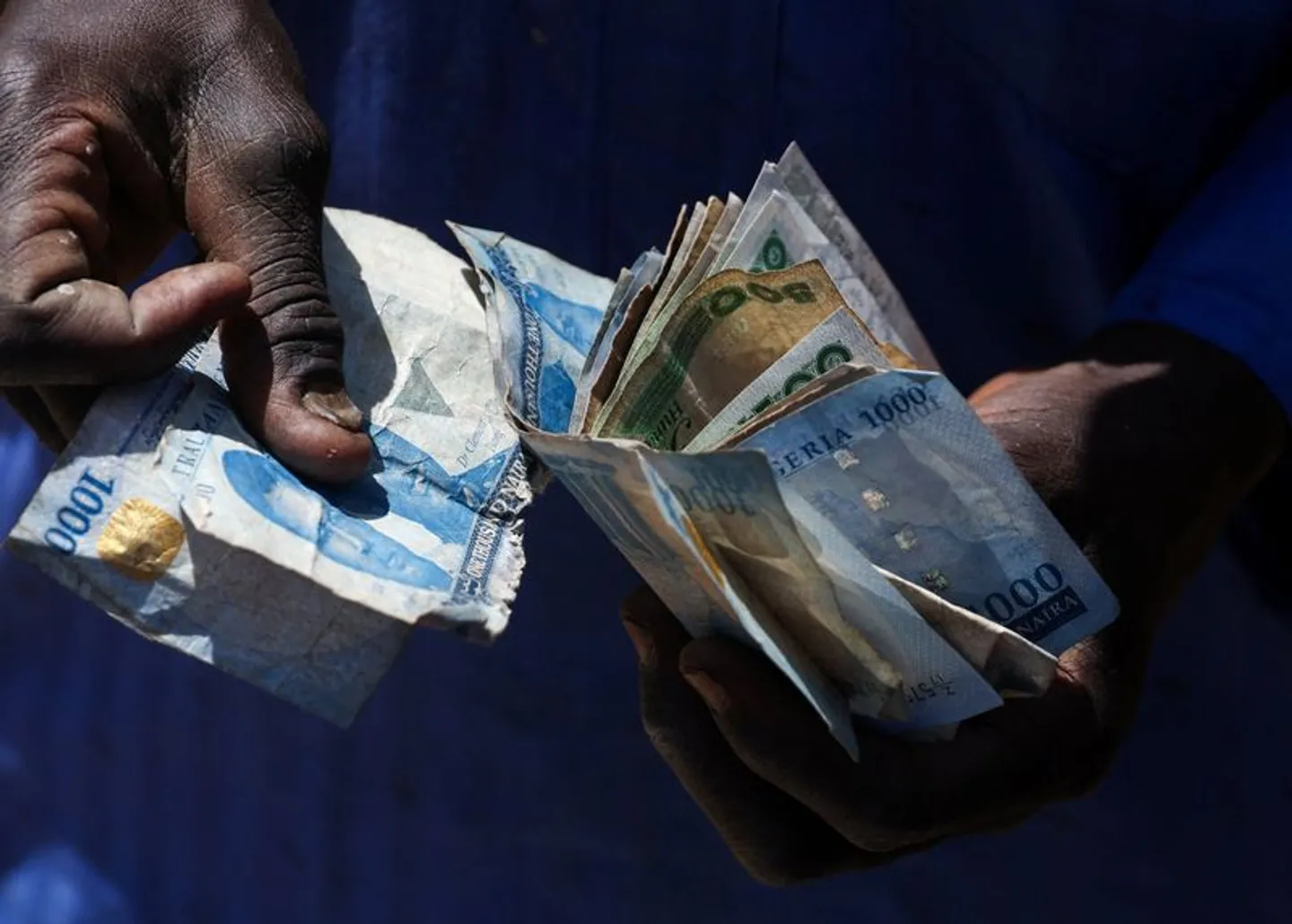
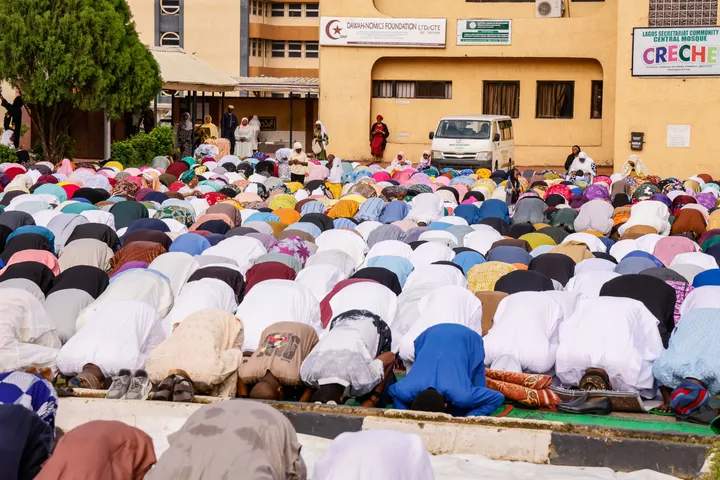
About 78 Ministries, Departments and Agencies of Federal Government don set aside almost N400bn for 2026 budget to build and repair community halls, mosques, traditional rulers’ palaces, village market squares and civic centres, findings show.
More than half of the N400bn na for projects wey no be developmental, like supply of grains and motorcycles, sponsoring community thrift societies, building museums and mini-stadia, and supply of tricycles wey dem dey call ‘Keke Marwa’ to communities.
Some of the MDAs wey dem check na Ministry of Defence Headquarters, Nigerian Air Force, Air Power Centre of Excellence, Nigerian Defence Academy, Technical Aid Corps, Foreign Mission, Federal Ministry of Information and National Orientation, Federal College of Land Resources, Owerri, Institute of Agricultural Research and Training, Ibadan, and Office of the Auditor-General for the Federation.
Others na Federal Ministry of Industry, Trade and Investment, Federal Institute of Industrial Research, Oshodi, National Building and Road Research Institute, National Productivity Centre, Industrial Arbitration Panel, Industrial Training Fund, National Agricultural Extension and Research Liaison Services, Zaria, Federal Cooperative College, Kaduna, and many more.
Critics dey argue say plenty of di projects wey dem earmark no rank among di country most urgent priorities, considering Nigeria financial situation.

Analysts dey talk say di way dem allocate hundreds of billions of naira to many small and often low-impact projects dey deny millions of Nigerians di benefits of strategic public investment.
Dem dey argue say di money wey dem tie down for fragmented projects fit instead dey channel into critical sectors like healthcare, education, security, roads, power and other essential infrastructure wey get bigger and lasting impact on economic growth and citizens’ well-being.
According to di analysts, di plenty of these small-small projects no only dey weaken fiscal discipline but also dey limit di government ability to deliver quality public services.