For long, uncertainty about scholarships and lack of access to information don slow down doctoral students and researchers for Africa, and for many cases e don make dem abandon their theses completely.
Plenty experts dey believe say the high dropout for doctoral programmes na big loss of scientific potential for the continent.
To close that gap, one Moroccan startup launch one digital platform wey go help people wey dey for doctoral programmes get scholarships, build networks and get research support.
The PhiDoc platform dem call am PhiDoc; dem launch am for September 16, wey na the same day as International Day of Science, Technology and Innovation for the South — day wey UN declare to celebrate the role wey science, technology and innovation dey play for development for the Global South.
The importance of the platform come show for one research wey dem do for 2023-2024. From sample of 40,000 students wey dey for doctoral programmes, very small number finish their theses, many talk say na lack of both quantitative and qualitative information make dem drop out.
PhiDoc dey aim to fill the information gap, and e go also tackle supervision of doctoral students and problems wey get to do with scholarships.
How e start
For 2025, Oussama Elasri, wey at that time na PhD researcher for management sciences for Cadi Ayyad University, find one Erasmus+ scholarship opportunity one day after the application deadline don pass.
He disappoint and feel guilty, Elasri start keep one spreadsheet of all the calls for applications wey e fit find, e share am with im colleagues, and dem con share am with their own networks. Na so the idea to create PhiDoc start.
“The work wey Moroccan researchers dey produce no be the problem. Na the infrastructure wey dey around that work be the problem,” na so Elasri, founder of PhiDoc talk.





“Researcher for Marrakech and researcher for Lyon fit get exactly the same idea; na only one go hear about the call for proposals wey go fund am in time. This gap no get to do with talent, and na the least costly to bridge,” he tell TRT Afrika.
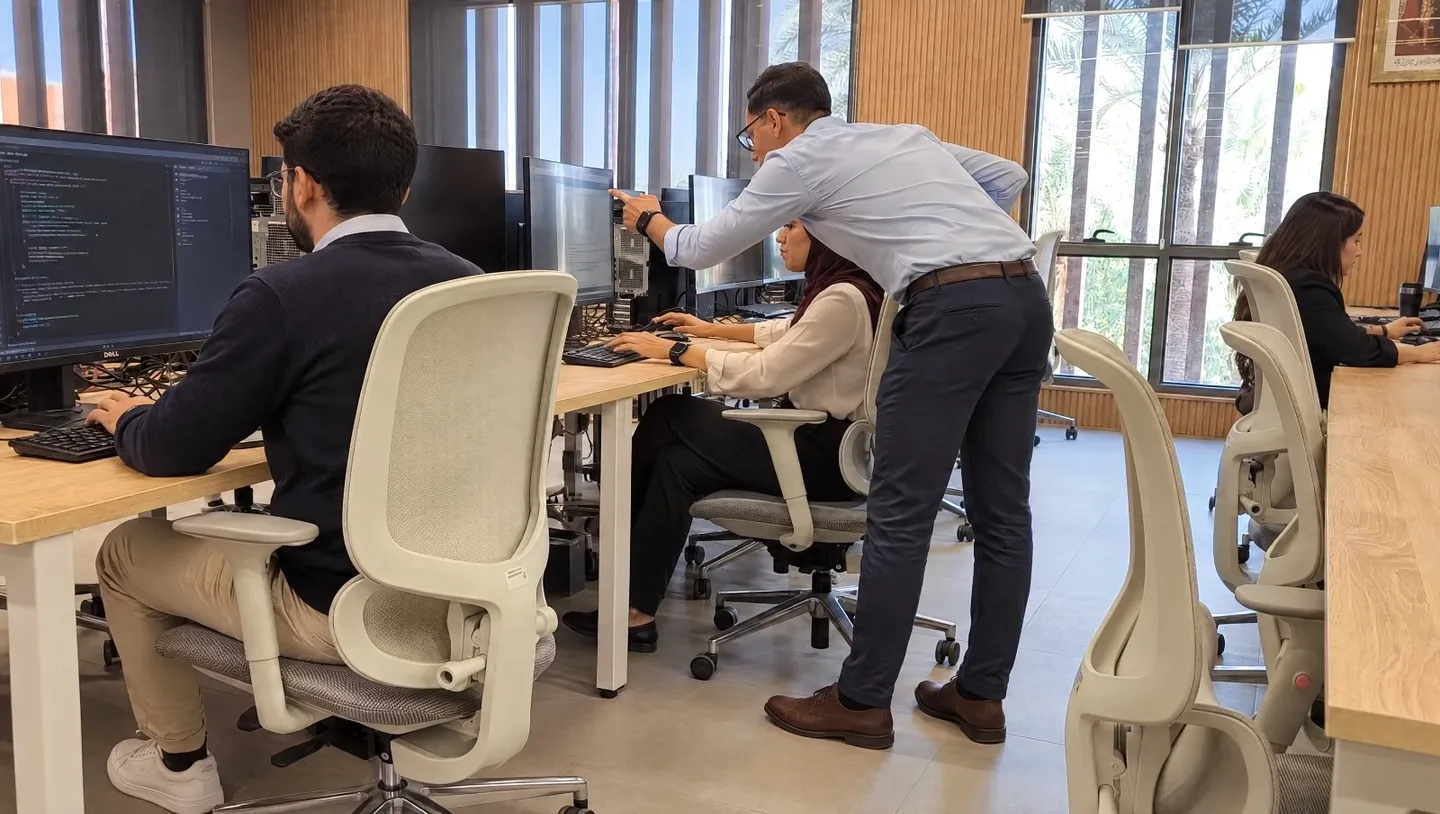
Researchers wey dey the platform fit use am to map out their dissertations by phases and milestones, receive calls for funding and conference submissions wey don filter by their discipline and career stage, and check one directory of Moroccan researchers — both for Morocco and abroad — to find collaborators.
How e dey work?
One research assistant dey answer questions about methodology and writing. Those wey dey do quantitative or qualitative research fit recruit participants from inside the community through reciprocal system, instead of dey reach out to strangers for social media groups.
Dem get mentoring program too. Professors — especially those from Moroccan diaspora — fit sign up as mentors and on request dem go connect dem with doctoral students, and the sessions go dey tracked on the platform.
This initiative na African response to the brain drain wahala: to reverse the flow by creating chances for remote collaboration and knowledge transfer between researchers for the continent and those wey dey diaspora.
“According to the United Nations, high-income countries dey account for 77% of global research and development spending, while low-income countries dey account for 0.3%. The gap dey the same from Casablanca to Dakar, from Tunis to Dubai: no be that researchers scarce; na wetin dey connect dem,” adds Elasri.
PhiDoc get plan to expand the platform go the African continent and after that go the Middle East and North Africa after im first year operation for Morocco.
The platform dey for French and English and registration open to doctoral students, early-career researchers and professors. Institutional access dey available to doctoral programs, research laboratories and partner universities.