No constitution get permanent legitmacy just because e once dey accepted for politics.
Constitution dem dey last because genera-shon dem wey follow dey still recognise the authority wey dem dey use. Na so e be with United Nations Charter too.
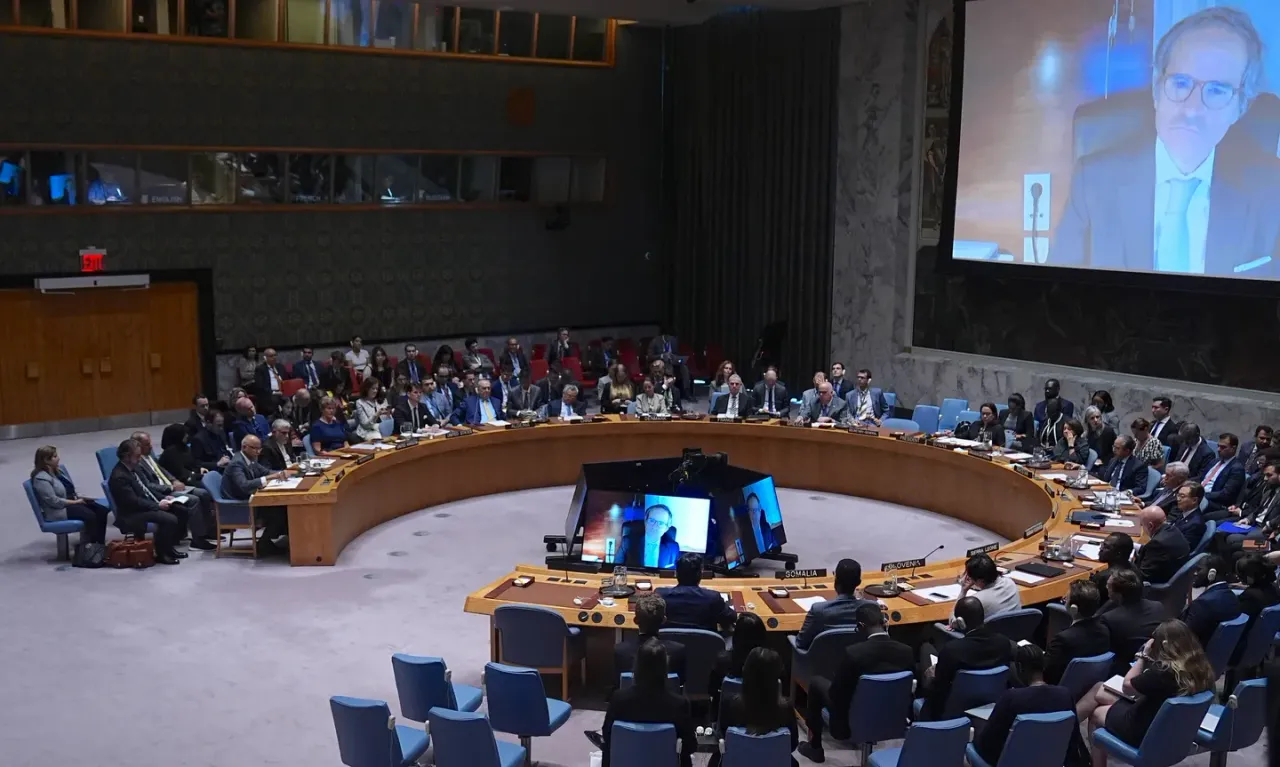
Even though na multilateral treaty dem sign am, e dey work as constitution for how modern international law dey run. E set up the global governance institutions, divide authority among dem, and give Security Council primary role to maintain international peace and security.
Like any constitution, we suppose judge the Charter by the same standards wey we dey use for all constitutional orders. Like every constitution, make we no look only how dem create am but how e dey perform the heavy constitutional responsibilities wey dem put for am.
Na this constitutional question international community don dey curious to ask but dem no too wan talk am.
One assumption dey wey nobody dey examine well: say Security Council still get the constitutional legitimacy wey e need to hold near monopoly for maintaining international peace and security.
That assumption need make we look am more closely.
For more than half century, governments and scholars don dey debate how Security Council suppose reform.
Dem don propose make dem add permanent members, limit veto, make regional representation strong, and make accountability better. These proposals different for some sides, but dem share one base.
Dem assume say the constitutional arrangement wey dem agree for San Francisco in 1945 still get the legitimacy wey e need to govern international community wey don change wella.
President Recep Tayyip Erdogan don dey talk say "di world big pass five," dey stress say Security Council suppose reflect today geopolitical reality pass the interests of the five permanent members.
E talk say the present international system no too fit respond well to conflicts, terrorism, pandemics, and other global crises, so e dey push for multilateral order wey go more inclusive and fair.
But the real constitutional question dey one step deeper. Before we ask how dem suppose reform the Security Council, make we first ask whether e still deserve the extraordinary constitutional authority wey e dey use.
When the Charter start to work, United Nations only get fifty-one member states. Most of Africa still under colonial rule. Plenty parts of Asia never gain independence. Only small number of Middle Eastern states join the founding meeting.
Majority of today 193 member states no join the negotiation wey make the constitutional allocation of authority inside the Security Council, neither dem get any strong say for how e design.
Wetin pass that, the way authority divide for the Charter no come from constitutional principle. Veto no become part because e represent democratic legitimacy, sovereign equality, or the rule of law.
Na political price the victorious powers of Second World War demand make dem get for join the new organisation.
That compromise fit make sense for 1945. Constitutional deals no dey perfect by philosophy; na politics dey make dem. But constitutional legitimacy no dey freeze for time.
Constitutional allocation of power
Every constitution dey build on assumptions about the political community wey e govern. When those assumptions change for ground level, constitutional lawyers go naturally ask whether institutions still deserve the authority dem dey use.
International lawyers unfortunately no too wan ask the same question for the United Nations Charter.
International law sef admit say when circumstances change wella, e matter. The doctrine of rebus sic stantibus allow make treaties fit get reconsideration when the assumptions wey dem base dem on don change fundamentally.
Even though dem dey apply am small-small, e show one broader constitutional insight: legitimacy no fit remain detached from deep historical change.
The world of 1945 don vanish, but the constitutional division of power wey dem set up for 1945 never change.
This no mean say Security Council sometimes no fail. Every constitutional institution go fail sometimes. Parliaments fit pass bad laws. Courts fit give controversial judgments. Executives fit misuse power.
Constitutional legitimacy no dey judge by one-off mistakes. The constitutional question show when failure stop to be occasional and turn structural.
History hard to ignore. Rwanda show catastrophic institutional paralysis when genocide happen. Srebrenica show say international community no fit protect civilians even for places wey dem call safe.
Kosovo show deep disagreement about humanitarian intervention without the Charter framework. Iraq show how one permanent member fit bypass Security Council when law begin to dey politically inconvenient.
Repeated military interventions wey United States do for the Middle East and other places give the impression say the Charter restrictions dey affect the weak more than the strong.
More recently, the bombing of Iran without Security Council authorisation, plus talk wey suggest maybe dem fit claim Greenland despite the Charter ban on threat or use of force against territorial integrity or political independence of states, still show say big powers dey ready to make constitutional principle follow geopolitical calculation.
Syria show again how veto fit protect geopolitical allies from real collective action. Ukraine expose the constitutional nonsense wey dey allow a permanent member accused of aggression to block strong institutional responses.
Gaza again show how legal principle fit dey push back when geopolitical interests enter the equation.
Each crisis get im own legal and political complexity. But together dem show one constitutional pattern.
Decisions wey suppose base on legal principle dey turn depending on whether one or more permanent members get interest for the matter.



The Charter promise collective security. But the constitutional structure dey give selective security.
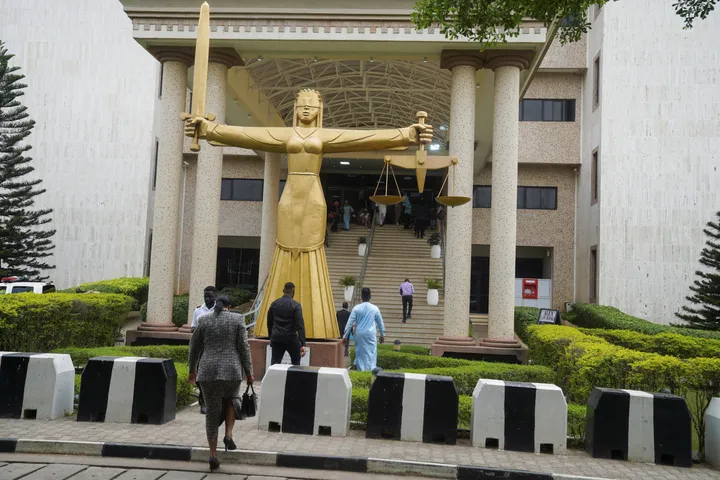
Nothing dey more damaging to the rule of law than constitution wey judge same action differently depending on who do am instead of the principle wey suppose apply.
The problem no stop for how institutions dey perform. One important part of the Charter's constitutional design never even start.
The founders imagine real system of collective security, with standing military arrangements under Articles 43 to 47. Those provisions never become operational.
For nearly eighty years, Security Council don dey use extraordinary constitutional power without the institutional framework the Charter expect to accompany am.
Nor reform give clear answer. Real reform need consent from the very permanent members wey constitutional privileges go reduce if reform happen.
People wey dey benefit from the current constitutional arrangement get power to block any real change.
Reform don turn to international lawyer prayer: sincere, repetitive, and everybody say e good, but e dey go to a process wey allow the beneficiaries to block major change.
So the discussion suppose move beyond reform.
This no mean say I dey against United Nations. The organisation dey do important humanitarian, development, health, refugee, and diplomatic work wey international society still need. Dem functions deserve to continue and even make strong pass.
The argument dey about one institution and one responsibility: the constitutional monopoly for maintaining international peace and security.
Constitutional history show say institutions no dey keep because dem once get legitimacy. Dem last because generation after generation still recognise the legitimacy of the power dem use.
Institutions no exist to preserve themselves. Dem exist to preserve the constitutional purposes wey dem create dem for.
When constitutional assumptions don change completely, constitutional purpose don fail, parts of the constitutional design never take shape, and real constitutional renewal don turn impossible, then constitutional succession no be revolutionary slogan again but na necessity.
International community suppose start to build successor institution to Security Council, wey go get primary responsibility for keeping international peace and security.
The design suppose come from an inclusive constitutional process wey reflect international community as e be today, no be as e be at the end of Second World War.
Victorious powers
But constitutional succession no suppose mean make we repeat the 1945 compromises under another name.
Successor institution suppose base on five constitutional principles wey fit get legitimacy for the twenty-first century.
First, democratic legitimacy: constitutional authority suppose come from participation of today's international community no be from old geopolitical reality.
Second, representative legitimacy: make every major region for world get real participation for decisions about international peace and security.
Third, consistent rule of law: legal principles suppose apply equally no matter who the actor be, wetin dem military power or geopolitical influence be.
Fourth, meaningful constitutional accountability: make sure say no state or institution get permanent immunity from legal constraint.
Finally, constitutional adaptability: future generations suppose fit change constitutional arrangements without needing consent from those wey get the most privileges.
These no be revolutionary ideas. Na the constitutional principles wey we use to judge government wey dey legitimate for other places. No reason why international legal order suppose demand less from itself.
Critics go call this idea unrealistic, but constitutional history dey point the other way. No constitution keep permanent legitimacy just because e once get political acceptance.
Constitutions dem dey create, amend, replace, and when e necessary, succeed. The strong claim no be say constitutional orders fit renew. The extraordinary claim na say one settlement wey a few victorious powers negotiate in 1945 suppose forever dey govern a greatly changed international community, even though real constitutional renewal don turn impossible.
Constitutional succession no be exception. Na one main way history dey restore legitimacy of public authority. Permanence, instead of renewal, don turn the extraordinary claim.
The twentieth century give the victors of Second World War chance to rebuild international legal order. E no give them perpetual constitutional authority for generations wey follow.
The debate on Security Council reform don dey go for more than half century. E don produce plenty proposals but almost no real constitutional change.
So the question wey international community face no be how to preserve the 1945 settlement. Na whether we get the constitutional imagination to build successor institution wey fit earn the legitimacy every constitution suppose dey earn again and again.
The author, Ziyad Motala, na Professor of Law for Howard Law School Washington D.C. Motala dey teach International law and Constitutional law. E born for South Africa and e join the liberation struggle for South Africa. E co-author Constitutional Law, Analysis and Cases with Cyril Ramaphosa, wey be current President of South Africa and one of the architects of the South African Constitution.
Disclaimer: The views wey the author express no necessarily be the opinions, viewpoints or editorial policies of TRT Afrika.