Three years na plenty time for pikin to learn to talk, to waka, and to start to discover the world.
For Gaza, those three years dem measure am another how: pikin dem don die before dem fit grow, families don vanish from the civil registry, and whole neighbourhood dem don turn to dust.
On October 7, the world mark three years since the Hamas-led blitz on Israel and the beginning of Israel’s genocidal war for Gaza.
But for Palestinians, that date no be di first time wey suffering start. E represent the moment wey decades of occupation, siege and dispossession burst enter full campaign to make Gaza unliveable — and the moment many people for the world decide say dem go just siddon watch am happen.
For three years now, Palestinians for Gaza no just dey face bombing; dem dey face deliberate destruction of the things wey people need to live together.
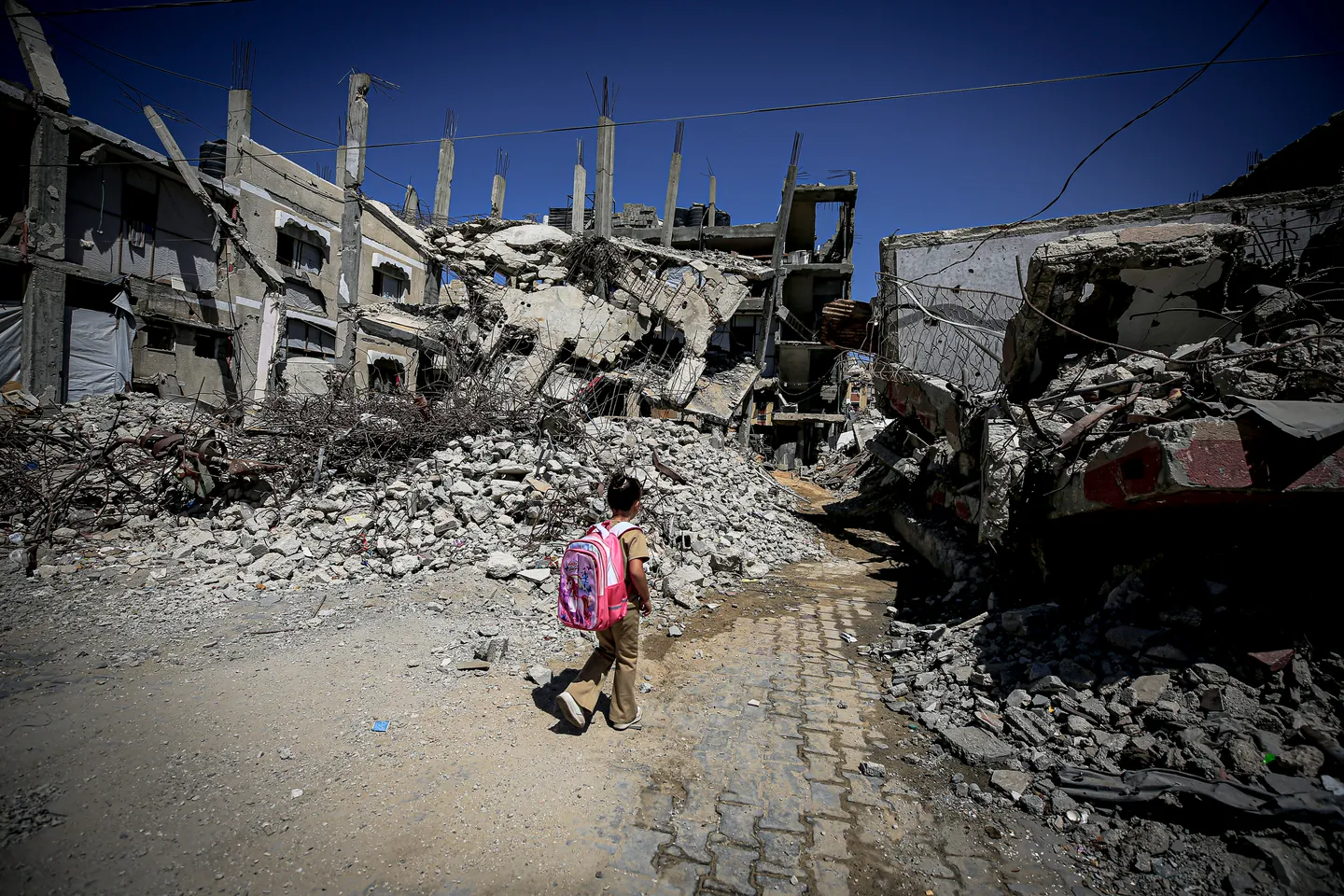
Houses, hospitals, universities, schools, bakeries, water networks, farms and places of worship don turn to rubbles. Whole families don die together.
Plenty people wey don become internally displaced don dey forced waka from one place wey dem suppose dey safe go another, and na these other places dem go soon attack again.
By rough estimate, pass 74,000 Palestinians don report say dem don die. More than 21,000 of dem na pikin dem.
True number go still higher: body dem still dey under collapsed buildings, and death dem wey hunger, disease and the breakdown of healthcare cause, e hard to count dem.
About 1.9 million people don become displaced, many of dem more than once.
More than 371,000 housing units don damage or destroy, nearly every school don get strike, and more than half of Gaza hospitals no dey function again.
Joint assessment wey UN, EU and World Bank do talk say Gaza human development don roll back by 77 years.
The violence no confine only to Gaza.
Since October 2023, Israel don sharply tighten the attacks across the occupied West Bank, including occupied East Jerusalem.
Pass 1,100 Palestinians don die there, including over 240 pikin dem, from Israeli forces and illegal settlers.
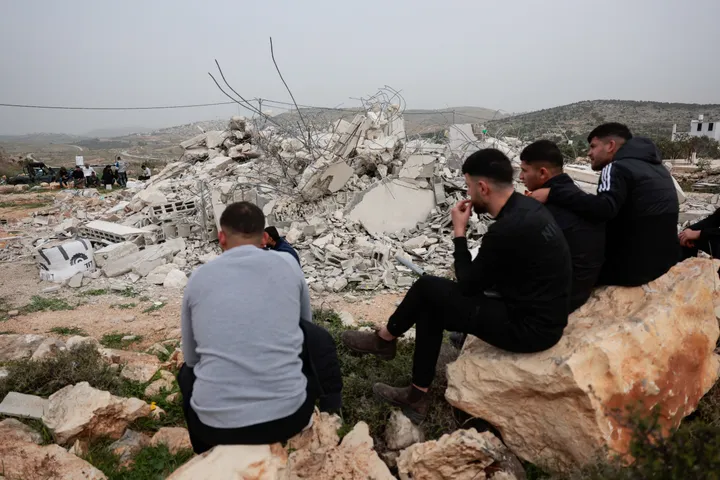
Military raids, house demolitions, illegal settler attacks, illegal settlement expansion and land grabs don speed up, making thousands of Palestinians comot their homes and communities.
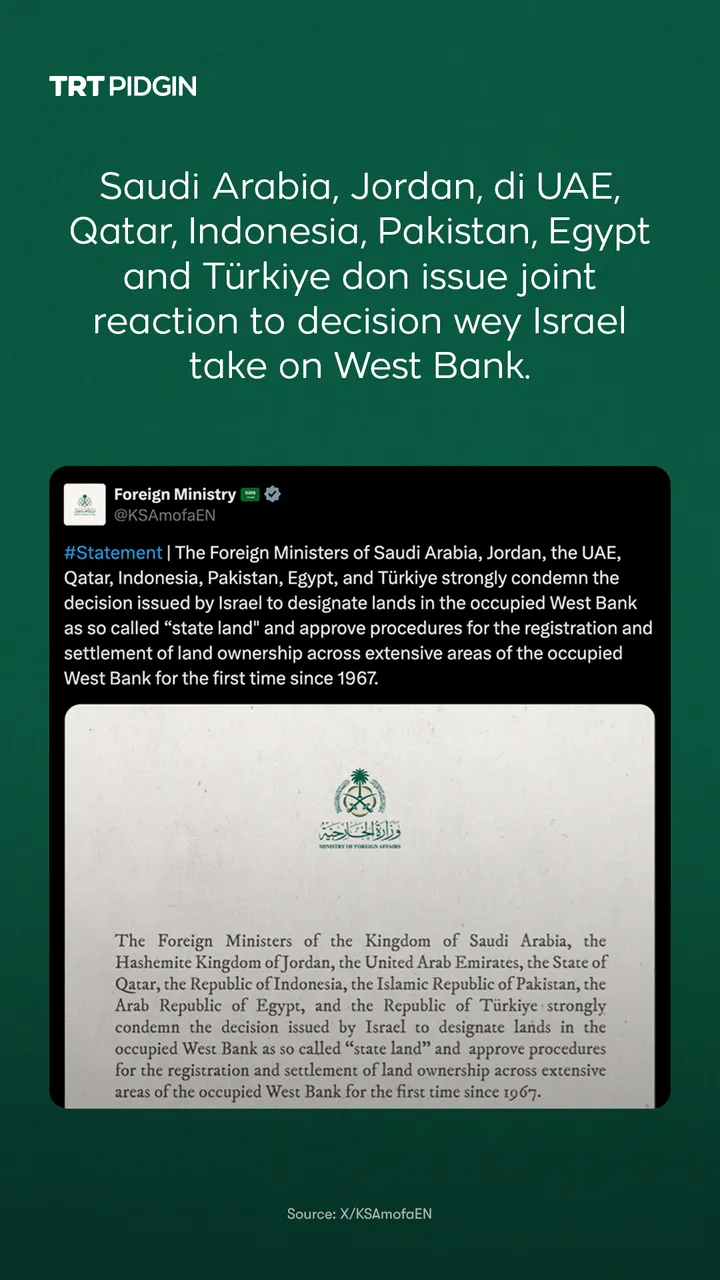
While everybody eye dey on Gaza, Israel use the time tighten control over the occupied West Bank and push its illegal annexation forward.
Gaza and the occupied West Bank dey suffer different kinds of Israeli violence, but the aim remain the same: to make Palestinians forget the land.
Names behind numbers
Numbers this kain fit make the wahala look like something wey no get face. But every statistic na person get name, habits, arguments, plans and people wey love dem.
The dead no suppose reduce to just evidence of one big catastrophe wey the world don understand before but choose no to stop.
Even the ceasefire deal wey dem announce for October 2025 no bring real safety. More than 1,400 Palestinians don die since then.
Israeli occupation forces still dey control about two-thirds of Gaza, while Palestinians jam tight space for just small part of their own land.
Reconstruction nearly never start. Restrictions still dey block building materials, medical supplies, clean water and machines wey dem need to clear the big piles of rubble.
A ceasefire agreement wey make Palestinians still dey die, still dey displaced and no fit rebuild no be peace. Na managed violence wey international community dey find easy to ignore.
For these three years, people don dey praise Palestinians for their 'resilience' many times.


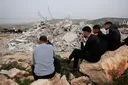

Most times people dey praise am like admiration. But the word don dey uncomfortable wella.
Many times, when people celebrate Palestinian resilience e dey make the world happy to wonder how people fit suffer this much, without asking why dem still dey force dem to suffer.
The language of resilience fit also make wetin dey happen lose political meaning. E fit change people wey dey fight military occupation, apartheid and genocide into mere recipients of humanitarian sympathy.
E turn rights to needs, political responsibility to tragedy, and crimes wey get clear people wey do am and people wey help them into one bad accident wey nobody author.
Attention shift from the machinery wey produce Palestinian suffering to how Palestinians manage to survive am.
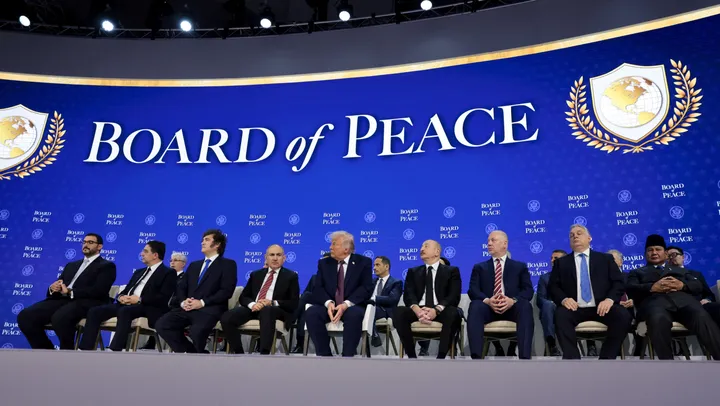
That kind framing dey convenient for governments wey go release 'statements of concern' while dem still dey arm, trade with and protect Israel for diplomatic levels.
Pictures of Palestinians wey dey cook near ruined houses or dey hold lessons for tents dey show as uplifting proof say life still dey go on.
But when people celebrate their cleverness, e fit hide one important truth: those houses never suppose to dey destroyed, and those children suppose dey for proper schoolrooms, no under plastic sheets and among rubble.
Resilience na mother wey pack wetin remain of her life and dey run comot for the seventh time.
Na father wey dey search rubble for photograph, birth certificate or the body of him pikin.
Na doctors wey dey operate without anaesthetic, teachers wey dey gather pikin inside tents, and families wey dey cook from almost nothing.
Dem acts dey extra-ordinary, but Palestinians no suppose need that kind extra strength just to remain alive.
Beyond October 7
Palestinian steadfastness — sumud — no be picture wey outsiders go just dey praise. Na political refusal to disappear.
Palestinians rebuild because Israel destroy. Dem teach because Israel don damage or destroy almost every school. Dem plant because land dey taken. Dem still dey tell the names and stories of the dead because erasure na part of the crime.
But resilience no suppose become replacement for justice.
Survival no go clear those wey supply arms to Israel, protect am diplomatically or still dey trade with am while Gaza dey starve and get destroy.
Sympathy words no fit erase three years of deliberate political choices.
For September 2025, a UN Commission of Inquiry conclude say Israel commit genocide in Gaza.
International community no fit again pretend say the nature of the crime unclear. But accountability never show face, and impunity make the destruction continue even under the name of a ceasefire.
The right response no be another speech wey go praise Palestinian courage. Na arms embargo, sanctions and prosecutions for those wey responsible.
Na unrestricted humanitarian access and reconstruction wey Palestinians dey lead.
Na the end of occupation and apartheid, protection of the right of Palestinian refugees to return, and the freedom for Palestinians to decide their own future — no be another political arrangement wey people impose on them.
Three years later, Palestinians still dey alive, still dey talk, and still dey refuse to give up their claim to land and their humanity. That endurance strong. But e no suppose make the world comfortable.
Palestinian survival no be the end of the story. Na accusation against everybody wey make that kind resilience necessary.