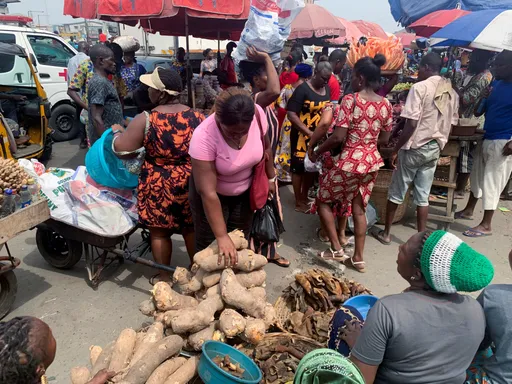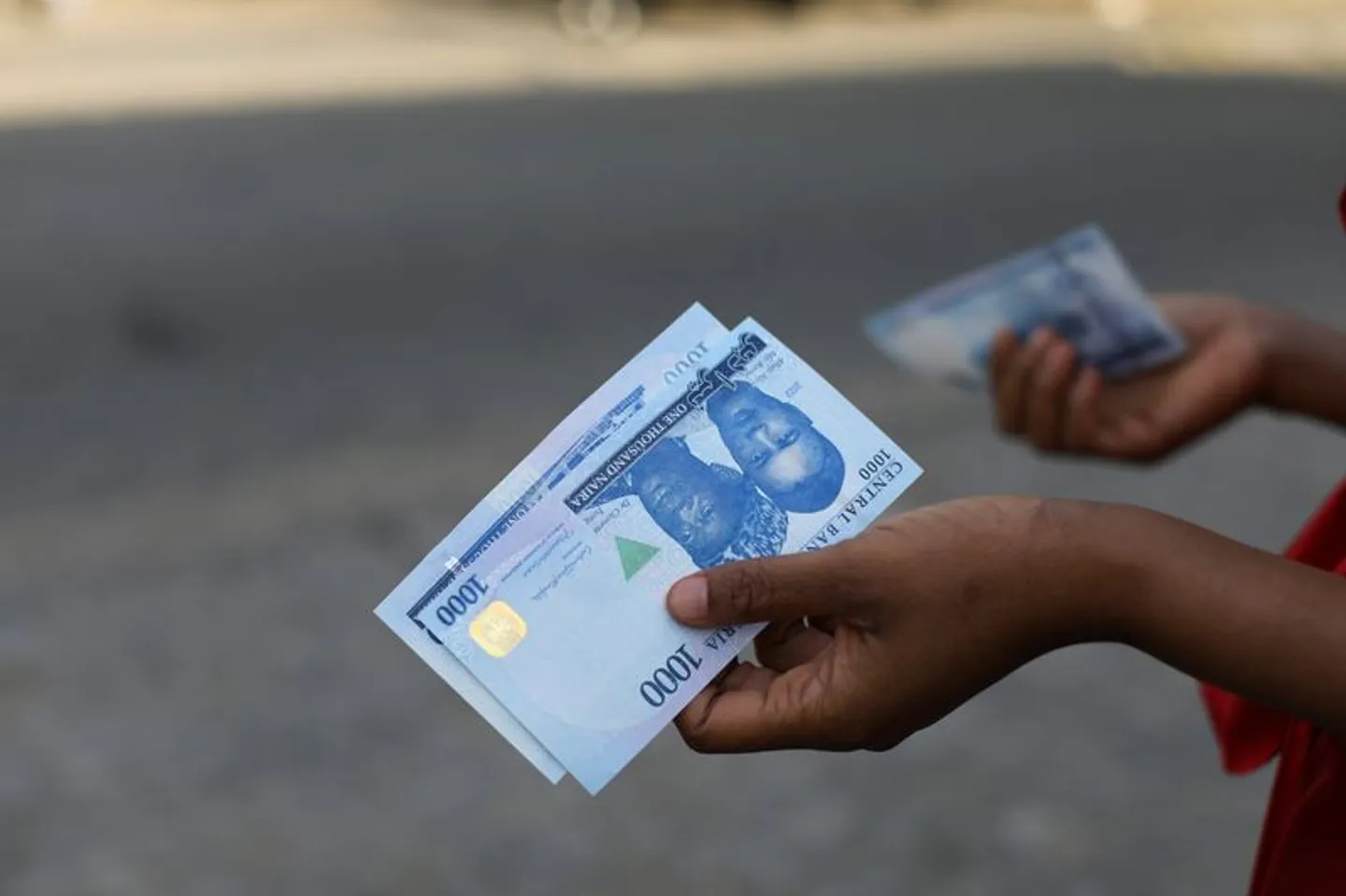
For northern Nigeria, from Bauchi go Katsina, informal ways wey people dey take give goods on credit don dey make some families for villages struggle to pay back their debt. For Giade, one group of women dey try break the cycle with sensitisation, community help and different ways to make money.
For Aisha, fear no stop when she sell the goods wey she borrow. E follow her house, disturb her sleep and make her fear when another creditor go show.
She don dey borrow goods from different people, sometimes goods wey dem value 50,000 naira ($38), 30,000 naira ($23) or 40,000 naira ($30). But when she need cash, she go sell the goods for price wey low pass wetin dem buy am. The money wey she raise no dey enough to clear the debt, and the debt go still dey grow.
For about three years, she talk say anxiety turn part of her everyday life.
Relatives come to the rescue
'I go spend night and day without sleep, dey think which person go come after me, which person go come shame me,' she remember.
Sometimes the pressure heavy reach how she no even wan enter house.
'Sometimes you no fit go house until your leg no fit carry you again,' she talk.
Finally, her family come help pay the debts. Her elder sister even give her capital make she start again, so e help small to reduce the financial wahala.
Alinciba
Experience wey Aisha get show the human cost of one informal credit arrangement wey people for Giade Local Government Area of Bauchi State dey call Alinciba.
The practice na to collect goods on credit and sometimes sell am quick for cash, many times with big loss, but the borrower still dey responsible to pay the full amount wey dem agree with the creditor.
If the money dem raise no reach, some borrowers go run to another creditor, and na so the borrowing cycle dey continue and e fit hard to escape.
Giade no be only place wey dis dey happen.
Similar informal goods-credit arrangements dey for many rural communities for different northern states, but the names and small small ways dey differ. For Katsina State for example, people dey call am Sabatta-Juyatta. For some other places dem dey call am Gwarmai.
How 'alinciba' dey work
For households wey already dey struggle to pay basic needs, wetin start as one quick way to get goods or solve urgent need fit turn to long time financial burden.
Fatima Muhammad Giade, leader of one local association wey dey campaign against the practice, talk say Alinciba before people for the area dey call am 'kama-karya' before the name change.
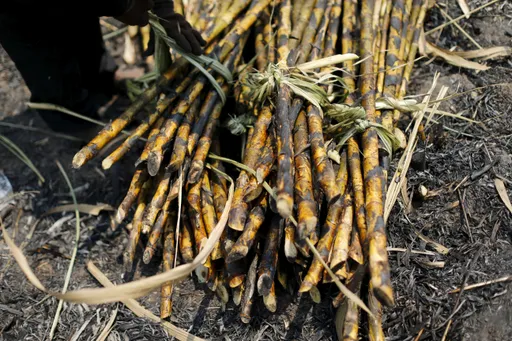
She explain say borrowers fit collect things like rice, flour, cooking oil, clothes, wrappers, plates and other household items. Dem go sell these goods, many times for lower price, to get money for immediate needs.
Fatima give example say goods wey dem value between 150,000 naira ($112) and 180,000 naira ($135) fit dey collected on credit, but the borrower suppose pay back 200,000 naira ($150). If borrower sell the goods for between 120,000 naira ($90) and 150,000 naira ($112), the money fit no cover the debt. Then the borrower go need find the difference, sometimes by borrowing more goods from another person.
Multiple debts
That second transaction fit create new wahala before the first one don balance finish. If the pattern continue, the borrower fit dey manage plenty debts at the same time.
Fatima talk say some arrangements still get extra periodic payments if repayment late, even when the original debt still dey.
The consequences fit pass money loss. Borrowers fit face pressure from creditors, fights over repayment and fear of public shame when dem no fit meet their obligations.
For women wey dey responsible for house needs, the pressure fit affect their money stability, mind and relationship with family members.
Cost of living challenges
Fatima say the practice start to dey noticed for Giade about five years now, but things don get more serious for the last three years. She link the rise to how living cost don climb and how families dey pressure to meet everyday expense.
She estimate say women be the majority of those wey dey involved, though that number never get independent confirmation.
For many rural households, easy and cheap credit no dey. When money short, families still need food, clothes, household things and money for emergencies.
Informal arrangements fit look like quick solution, especially when people no fit access formal banks. But the terms fit make dem vulnerable when the price wey dem sell the goods no reach the debt wey dem suppose pay.
A loan that does not generate income
Nasiru Marmara, economic development analyst for the Sahel region, warn say borrowing for consumption fit cause gbege, especially when interest or extra charges dey and the borrowing no dey generate income.
He talk say this kind debt fit make people spend pass wetin their household fit afford, put borrowers for long-term financial difficulty.
'People need make dem sabi the wahala wey these debts fit cause,' he say, dey remind say public education and advocacy important to discourage harmful borrowing.
Marmara believe say the consequences fit pass individual borrowers, fit strengthen poverty cycles and put more pressure for already vulnerable communities. He call for government action and better regulation to handle exploitative lending practices.
Temporary relief
His analysis show say borrowing no necessarily bad for itself.
Credit fit help people invest for business, grow productive activity or manage short-term shocks if repayment terms fair and fit manage.
Danger dey when borrowing just dey cover consumption over and over, when borrower dey receive less from selling the goods than the amount wey dem owe, and extra charges or new debts make repayment hard.
Under this kind situation, borrowed goods fit give small relief short-term but no solve the main problem wey be lack of household income.
Wider pressure of poverty and food insecurity
The worries for Giade dey happen for one hard economic background.
World Bank estimate say more than 60% of Nigerians dey live under national poverty line in 2025. Dem also talk say poor households fit spend up to 70% of their income on food, so little remain to absorb price increase or emergency cost.
Food insecurity still add to the pressure. Food and Agriculture Organization (FAO) project say 34.7 million people for Nigeria fit face high levels of acute food insecurity during the June–August 2026 lean season if nothing urgent happen.
These national figures no mean say Alinciba, Sabatta-Juyatta or Gwarmai dey everywhere. But dem show the wide financial pressure wey fit make vulnerable households fall into bad credit arrangements.
Debt larger than borrowed capital
When most of a family income dey go food, little remain for school fees, health care, farm inputs, business capital or emergencies.
Informal loan fit look like bridge, but if the transaction leave the borrower with debt wey big pass the cash dem raise, e go just make the wahala worse.
For rural women, the effect fit dey serious when dem never get independent income, savings or affordable financial services. Debt wey chop their small money fit reduce how dem fit take support their children or run small trading business.
Na why the matter no suppose be only about individual decision. E concern household poverty, consumer protection, financial literacy, inflation and availability of better alternatives.
Who be responsible — the lender or the borrower?
For Giade, people get different view on who suppose carry responsibility.
Fatima accept say both lenders and borrowers get part to play, but she believe creditors get bigger responsibility when dem offer goods on terms wey borrowers no fit meet and then dey press them hard when repayment hard.
Amina Muhammad, another community member, welcome the women's association and say some creditors dey encourage people make dem take goods on credit before dem begin to chase them hard for repayment.
Her worry show the power imbalance wey fit dey when one side control the terms and the other side dey borrow under pressure. But each agreement fit different. Some borrowers sabi accept bad terms, while some creditors fit talk say dem get right to recover their goods or money.
Transparency on repayment terms
Sustainable solution no be only to blame person. E need more transparency about repayment terms, awareness of full cost of borrowing, fair treatment for people wey late, and measures to stop exploitative practices.
E also need attention to the economic situation wey make people feel say dem no get option.
Beyond the borrowers' experience, the practice raise broader questions about access to financial services and how informal lending dey supervised.
Shu'aibu Idiris, economic analyst, talk say limited financial inclusion and weak regulation of lending fit make people vulnerable to arrangements wey operate outside formal financial systems. He say government suppose enforce lending laws and make sure institutional lenders get recognition and licences from Central Bank of Nigeria (CBN). For am, effective oversight important to protect borrowers and make lenders accountable.
Redress for unfair treatment during loan recovery
But the legal side need proper consideration. No every informal goods exchange or personal loan go fall under same rules as bank lending. Authority need to clarify which rules apply to arrangements like Alinciba and how borrowers fit complain when dem face unfair or abusive treatment.




Idiris still talk say improving financial inclusion suppose be part of the answer.
When people no fit access suitable financial services, dem go turn to informal ways to get money or goods. If access improve to affordable services, households go get more options, though access alone no go solve poverty or guarantee responsible borrowing.
For communities like Giade, the question no be only whether financial services dey, but whether people fit use products wey meet their needs without putting dem for repayment wey dem no fit manage.
Cooperatives as an alternative
Idiris suggest say communities fit think of forming cooperatives to reduce dependence on harmful informal credit.
Cooperatives fit make members pool savings, support one another in emergencies and, if well managed, provide loans under agreed terms. Dem fit also help members build financial discipline and plan for house or business expenses.
Government and community leaders suppose educate people about how cooperatives work and how to run them well.
For rural women, well-run cooperative fit give collective way to save small small and get help when emergency show. E fit also help members fund small business or productive activities instead of dey borrow goods on bad credit terms.
Realistic repayment terms
But cooperatives no be automatic solution. Dem need clear rules, accountable leaders, good financial management and protection against mismanagement.
Members must sabi their rights and obligations, and any lending suppose base on realistic repayment terms.
The idea still fit be one way to provide community-based financial support, especially where formal services hard to reach or no fit the needs of low-income households.
For the women of Giade, this kind approach fit add to wetin dem dey already do to sensitise and help affected borrowers rebuild their money life.
Inflation and the expanding cycle of poverty
Dr Isa Abdullahi, economic analyst, warn say practices like Alinciba fit add to expanding cycle of poverty for Nigeria.
When borrowers sell goods at loss but still dey responsible for the full debt, dem go lose the resources wey dem need to support their households or run small business. If dem borrow again to pay earlier debt, the financial burden fit continue to grow.
Abdullahi also say government suppose work to reduce inflation, because inflation dey put more pressure on households wey don dey struggle.
Rising prices fit reduce household buying power, leave families with less money for food, health, education and emergencies. For that kind situation, people go dey depend more on borrowing to fill the gap between wetin dem earn and wetin dem need to spend.
Consumer protection
Reducing inflation go help reduce some pressure. But e no go solve the risks wey dey with bad credit arrangements.
Consumer protection, access to appropriate financial services, jobs and sustainable income sources remain important.
The analysts' views show single thing: to fight the debt cycle you need protect borrowers from harmful arrangements and also fix the economic issues wey make such borrowing attractive.
Women organise to break the cycle
For Giade, Fatima and other women decide to act through community work.
Their association aim na to discourage Alinciba, educate women about the risks and persuade those wey don enter the cycle to stop to dey take goods on bad credit terms.
The group still dey give small support to women wey agree to leave the practice. Members dey contribute money every two weeks; Fatima talk say each member dey contribute 2,000 naira ($1.50). The association use the money to help some women with food items, washing soap and other small support.
The help small, but the idea be to give women some immediate relief and encourage them not to return to the same borrowing pattern.
Sensitisation
For person wey don dey depend on credit for everyday needs, to just tell am make she stop no go enough. If no money for food, household things or capital for business, the pressure wey make person borrow go still dey.
That na why the association want expand their work.
Fatima say the group want get office, buy uniform for their awareness workers and set up centre where women fit get education about the risks and learn vocational skills.
The aim na to give women more ways to make income and reduce their dependence on harmful credit arrangements.
Much-needed relief
Fatima believe say their awareness campaign don already help reduce number of women wey dey do Alinciba, though dem never give independent figures to measure the change.
Amina see the initiative as relief for women wey otherwise for struggle to find support.
For women like Aisha, to comot from the debt cycle need help from relatives. The association dey try build wider community response so that women no go manage the consequence alone.
Beyond awareness: what needs to change?
Community action fit help people see the risks of informal debt, but long-term impact go depend on whether households fit find realistic alternatives.
Analysts recommend several actions: public education about borrowing, better oversight of lending, stronger financial inclusion, support for cooperatives and measures to reduce inflation.
People need easy information about the true cost of borrowing, the consequences of missed payments and the danger of taking new loans to pay old ones. Authorities need clarify the rules for informal and institutional lending, protect borrowers from abusive practices and provide clear ways to complain.
Other measures fit include improving access to savings and financial services, supporting small businesses, providing vocational training and helping women build sustainable income.
Partnerships to end predatory borrowing
Dr Isa Abdullahi also tell the women’s association to seek support from development finance institutions like Bank of Industry (BOI) and Bank of Agriculture (BOA), and from international organisations and foundations.
He believe such partnerships fit help the women access financial support, livelihood programmes, skills training and small business support, give dem alternatives to harmful borrowing.
The association's proposed skills centre fit help if dem get enough resources and if the training connect to real economic opportunities. But vocational training alone no fit remove poverty or guarantee paid work. Access to markets, start-up capital and continued support still necessary.
Community cooperatives fit offer another choice if dem well managed and transparent. Meanwhile, efforts to control inflation and improve household earning opportunities fit reduce some of the pressure wey push families to borrow again and again.
Concerted effort to defeat harmful loan practices
To monitor the association's work go help know whether their awareness activities dey reduce participation in Alinciba, whether women dey stay out of the debt cycle and which support dey make most difference.
The experience for Giade still raise question for other rural areas where similar practices dey with different names: how local leaders, women groups, financial institutions and government agencies go work together to make safer options available?
The timing of the campaign against predatory loan systems give the matter extra importance.
International Day of Rural Women dey 15 October, World Food Day dey 16 October and International Day for the Eradication of Poverty dey 17 October.
Practical support measures
Even though each day get im own focus, all three show challenges wey join for the lives of women like those for Giade.
Rural women dey key for household welfare, farming, trading and local economy, but financial wahala fit limit their ability to save, invest or survive shocks.
When income no reach for food and other basic needs, borrowing fit become coping strategy. But when terms bad and repayment mean sell goods at loss then borrow again, that strategy fit destroy household ability to recover.
So to tackle the problem need more than warn people about debt. E need practical support to help women protect their resources, build reliable livelihoods and access fair financial services.
'Credit should not leave people with less money'
For Aisha, help from relatives help pay her debts and make her start rebuild her life. For other women for Giade, the local association dey try give small support before the burden too heavy.
Their work still small and the result go need proper measurement. But e show one community-led response to problem wey women say pass only one town and dem sabi am by different names across rural northern Nigeria.
For Giade, the message from the women wey organise against Alinciba clear: credit suppose no leave people with less money, fewer choices and debt wey dem no fit escape.
For that message make sense for long term, awareness must match fair lending practices, stronger livelihoods, effective consumer protection and available alternatives for families wey dey struggle.