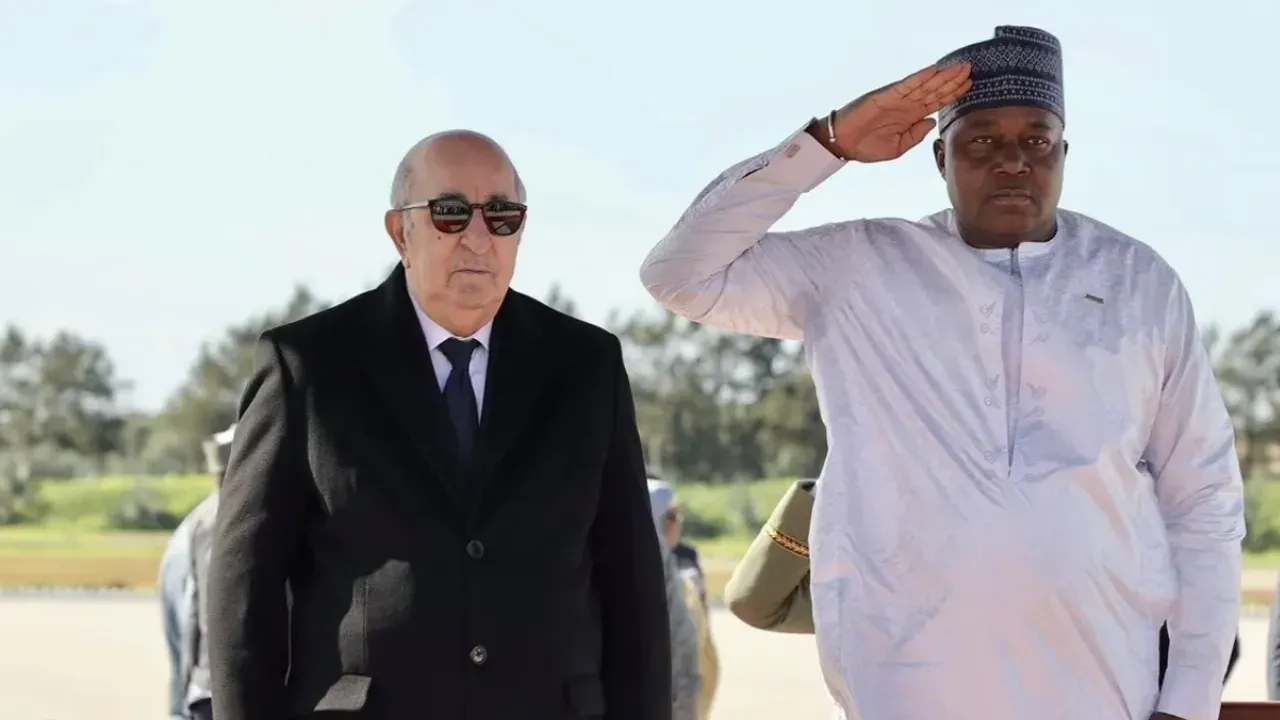
Central Sahel dey go through one kain big reconfiguration for regional power since Burkina Faso, Niger and Mali comot for ECOWAS and dem form the Alliance of Sahel States (AES).
Wetin start as series of military transitions for Mali, Burkina Faso and Niger don turn to structural realignment of security partnerships, institutional affiliations and external influence wey dey draw neighbouring countries like Algeria and Morocco join, and even big power competition don enter.
AES don so far set itself as separate political and defence entity wey dey outside ECOWAS. Algeria, on purpose, don move from diplomatic break to pragmatic re-engagement. Maghreb rivalry don push south through competing infrastructure and connectivity plans. External partnerships don diversify. Together these developments dey produce more multipolar, contested and sovereignty-sensitive regional order wey consequences go shape West African security for years to come.
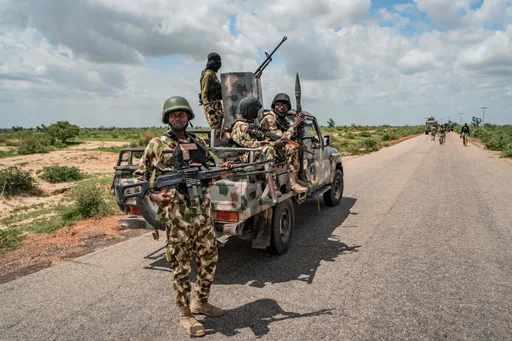
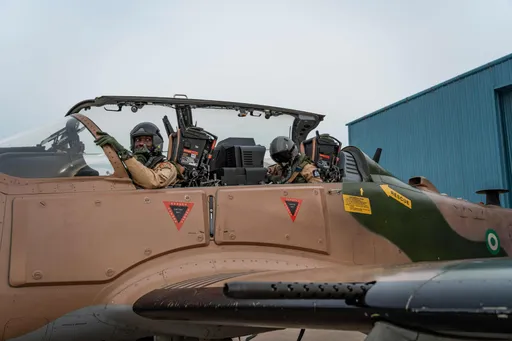
On August 09, 2026, Algeria give Niger two Mi-24V attack helicopters and two Mi-171 transport helicopters, plus ammunition, spare parts and logistical support.
The transfer, wey President Abdelmadjid Tebboune order, Algiers present am as consolidation of fraternal relations and contribution to regional stability. For reality, e mark the most tangible military expression of a carefully sequenced rapprochement between Algeria and the AES after the sharp break wey follow the April 2025 downing of a Malian drone near the shared border. That incident make ambassadors comot for the three AES capitals and cause reciprocal airspace restrictions. From early 2026 Algiers change course through energy and infrastructure diplomacy, high-level engagement with Niger leadership, reactivation of border-control mechanisms, and eventual restoration of diplomatic and air links with Mali. The helicopter donation complete the sequence with concrete defence support to the AES member wey share Algeria’s longest Sahel frontier.
Algeria dey move South — and Sahel dey open up
The method dey show. Algeria no insist say dem must reconcile with the whole AES at once, nor e make cooperation depend on make dem return to ECOWAS frameworks. E prioritise the partner wey get highest mutual interest, push practical security and energy cooperation, use steady language about sovereignty and non-interference, and e later normalise ties with Bamako under pressure from worsening security conditions in northern Mali. Functional bilateralism show say e fit work even as bigger institutional questions still remain unresolved.
This sequence na part of bigger configuration wey dey emerge. AES don finish formal exit from ECOWAS, dem don establish a Unified Force with expanding troop targets, and dem don build parallel diplomatic and information structures. Dem political narrative centre on sovereignty, rejection of perceived neo-colonial influence, and the legitimacy of military-led transitions as corrections to failed civilian governance. Partnerships with Russia, Algeria and other non-Western actors dem present as respectful alternatives to previous arrangements.
At the same time, Maghreb competition don intensify. Algeria’s Trans-Saharan connectivity agenda — road, fibre-optic and gas pipeline projects via Niger — now dey compete with Morocco’s Atlantic Initiative and the longer coastal gas corridor concept wey fit link Nigeria to Moroccan ports. AES governments don show capacity to hedge, accepting energy and security support from one direction while dem keep logistical options open toward the other.
AES dey build past ECOWAS
Regional consequences don dey visible. For ECOWAS these developments deepen structural fracture. The loss of the three Sahel states reduce the bloc’s geographic and demographic weight and diminish its leverage over the security environment wey directly affect the remaining members. Parallel defence architectures now coexist with limited operational interface. Coastal states continue to manage their own threat environments while the Sahel dey look north and toward alternative partners. The African Union remain the principal continental institution wey fit try bridge the divide, yet im capacity to impose coherence constrained by the same sovereignty sensitivities wey cause the rupture.
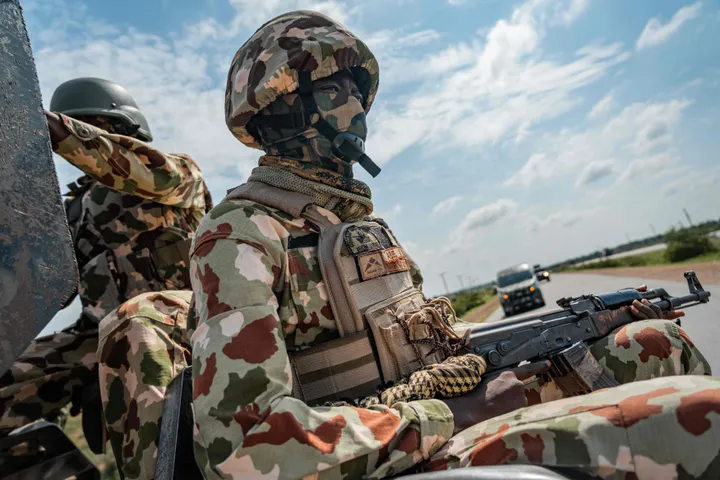
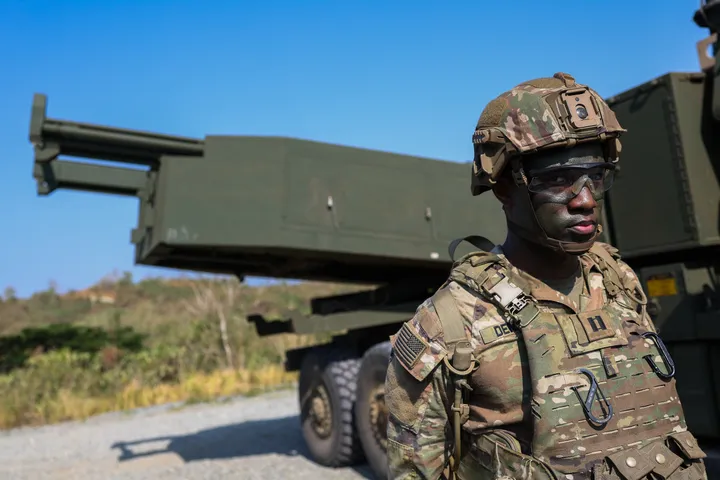

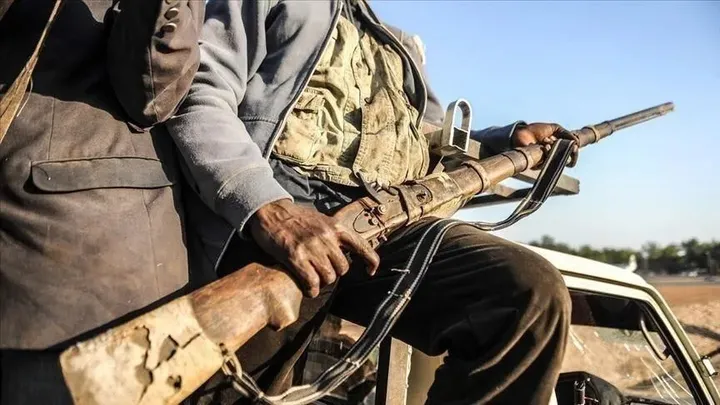
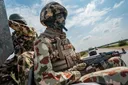
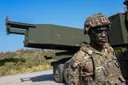


Security outcomes still mixed. Reactivated border mechanisms and limited equipment transfers fit improve tactical response and early warning along specific frontiers. Dem no, however, address the deeper drivers of insurgency like governance deficits, resource competition, and the adaptive capacity of groups such as JNIM and Islamic State affiliates. Militarised bilateralism fit contain symptoms; e no automatically generate durable stability.
New contest for influence in West Africa
Meanwhile, the projection of Algeria–Morocco rivalry into the Sahel fit bring additional political friction enter this already complex theatre, even as the AES states demself dey collect tangible benefits from the competition.
Nigeria dey for particularly exposed position. Shared threat networks along the Niger border and in the Lake Chad Basin give Abuja clear operational interest in functional channels with Niamey. Yet any engagement must waka careful to navigate AES counter-narratives wey remain very sensitive to associations with France or to maximalist ECOWAS conditionality.
The emerging configuration no be simple return to previous hierarchies nor complete fragmentation. E be more multipolar landscape where AES states exercise greater agency, Maghreb powers compete through concrete deliverables rather than historical claims, ECOWAS influence dey contract, and external actors must operate inside denser thicket of sovereignty narratives. Influence now dey increasingly measured by the ability to deliver practical cooperation on terms wey local actors accept.
Whether this realignment ultimately improve security management or na just redistribution of external partnerships go depend on the quality of subsequent intelligence sharing, the sustainability of new bilateral mechanisms, and the willingness of all parties to prioritise adaptive threat reduction above narrative advantage.
Map of the Sahel dey get redrawn by cumulative effect of pragmatic bilateralism, institutional rupture and competitive influence. The consequences go extend well beyond the three AES capitals and go shape the broader architecture of West African security for the decade ahead.
The author, Dr. Kabir Adamu, na Managing Director for Beacon Security and Innovations Limited, Abuja-based security risk management firm.
Disclaimer: The views wey the author express no necessarily reflect the opinions, viewpoints and editorial policies of TRT Afrika.