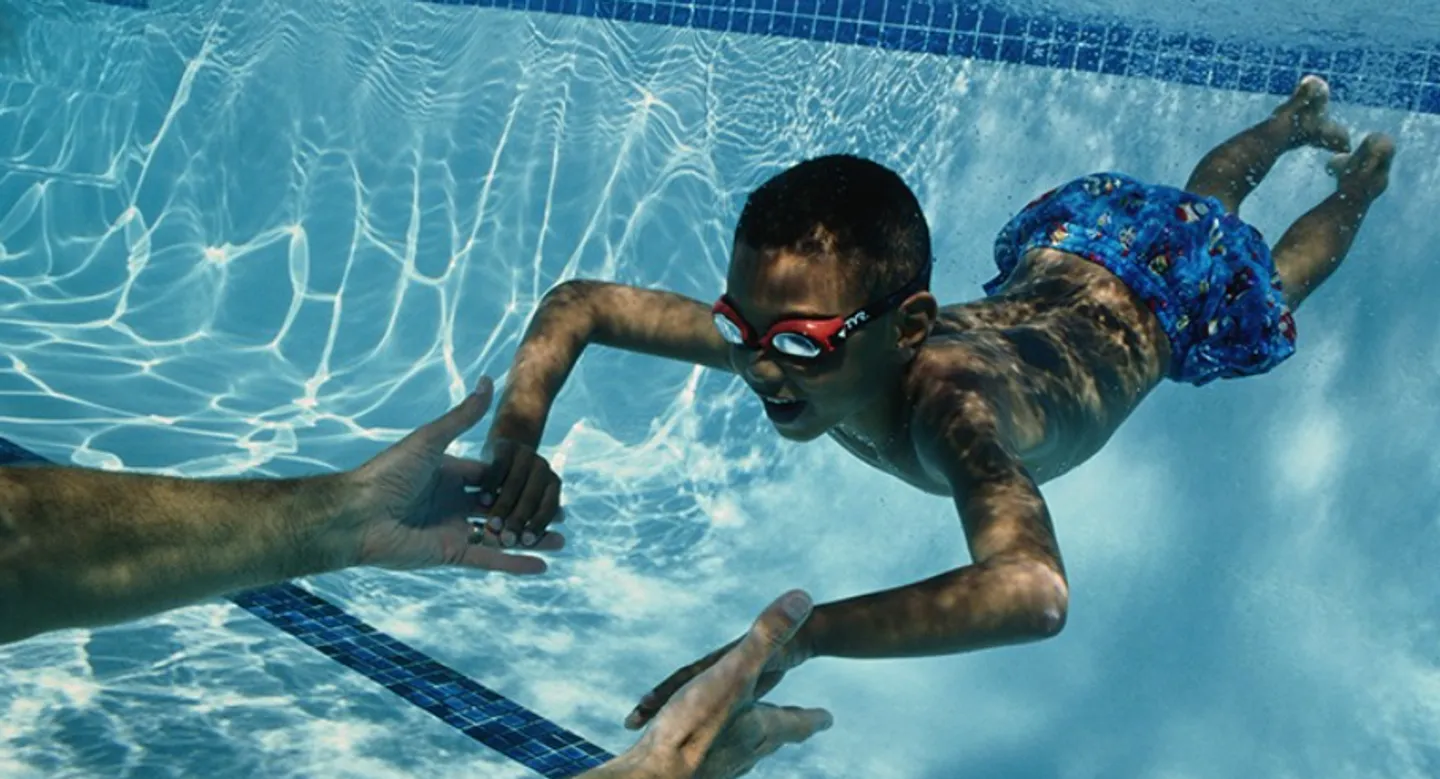
Water dey shine under Mombasa sun, e sweet for eye and e be like better way to comot from hot wey dey the coastal city.
Fatima*, mama wey get three pikin and teacher for one primary school, carry her pupils go community swimming pool as small treat—reward for wetin dem do well for exam.
Laughter full the tiled walls as pikin dem dey splash and play. But in one second, the happy change to horror. Fatima notice one small hand wey dey flail near the deep end, come nothing again.
She look all the water, her heart dey beat tire, she see one small body wey steady dey sink under the surface. She shout, comot her cloth, jump inside, but by the time she drag the six-year-old girl comot, the girl's eye don empty.
The pikin, wey dem name Amina, no ever wake again. Lifeguard reach late, people wey dey oko stand like stone, and Fatima hold the soft, wet body for her arms, dey cry. That day the pool turn to tomb, and Fatima life divide into before and after.
"I still dey hear the silence wey come after," she talk for TRT Afrika, her voice low like whisper. "Amina dey my care, and I no fit save her. I dey play the thing for my head every night—the splash, the stillness, the weight of her for my arms. I promise that day say I no go keep quiet again. If I sabi wetin to do—if anybody sabi—maybe she for dey alive today."
‘Silent killer’
Fatima story no be one-of-a-kind. For many parts of Africa, water na life and place for play, but e fit turn to sudden tragedy.
The size of the problem heavy. World Health Organization (WHO) talk say nearly 300,000 people dey die from drowning for the world every year, and more than 90% of these deaths dey happen for low- and middle-income countries.
Africa region carry the biggest load, get the highest mortality rate for any WHO region, with about 66,000 people wey drown every year. Dem no be just number; na daughters, sons, and pikin dem like small Amina.
Pain dey show for countries like Ghana, where about 1,100 people dey die from drowning every year—that mean about three people dey die every day.
For Uganda, unofficial figure talk say drowning fit kill as many as 2,000 people every year, and children plus young people dey suffer pass. South Africa too dey report more than 1,500 drowning deaths per year, many of dem dey happen for inland waterways and swimming pools.
Na one tragedy wey many times people no dey notice, because other health emergency dem dey show more. As Deputy Chief Fire Officer Heroine Sekyere Boakye from Ghana talk, drowning na "silent killer."
Climate change risks
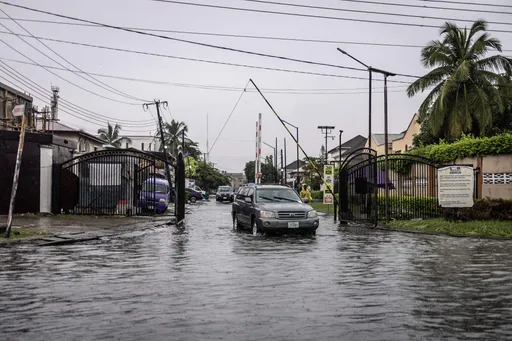
Danger dem many. Plenty deaths dey happen for ordinary places like river, lake, well, water wey people store for house, and, like Fatima see, even swimming pools. Another gbege na climate change.
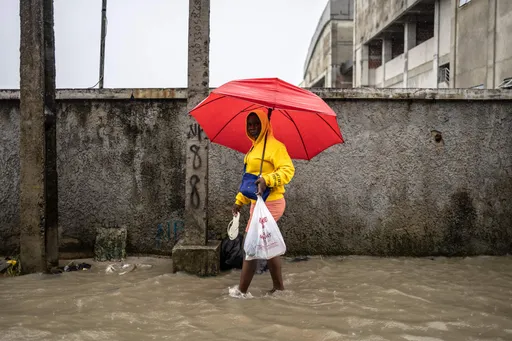
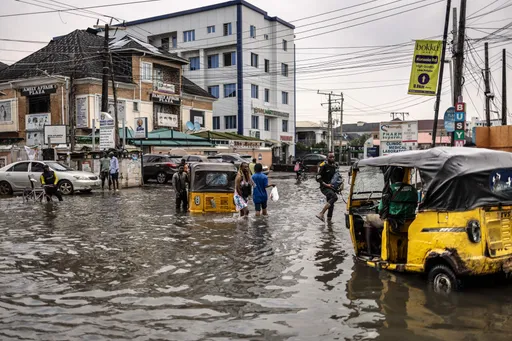
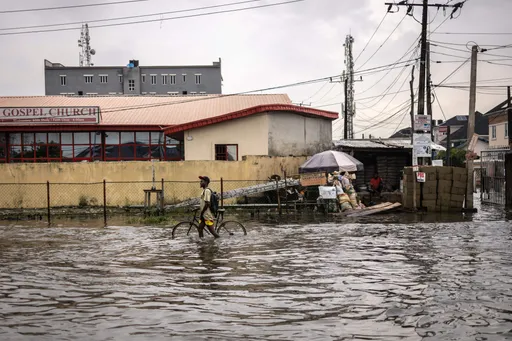
As flood and strong storm dem dey happen more and more, the chance to drown dey rise.
Research show clear link between heatwaves and drowning: study from UK talk say drowning deaths dey increase by 7.2% for every 1°C rise in temperature.
The risk almost five times higher on days wey temperature pass 25°C compared to days wey dem below 10°C.
The human cost no stop for one case; e dey cause ripple effect of trauma. For example, journalist Canary Mugume wey dey report drowning story for Uganda meet Sophia Byogero, mama wey dey live near lake.
Her story heartbreaking: she lose one pikin to drowning when she try carry am go hospital by boat at night. One year later, fear of water paralyze her, and she no fit take another pikin to hospital—this second pikin later die from illness.
"We dey document grief, desperation and the hard choices wey no human being suppose make," Mugume remember. This one show the invisible wound dem wey drowning dey cause for families and community, trauma wey deep like the physical loss.
Safe waters






To face this preventable tragedy, WHO don put out new technical package to help governments and communities use seven proven steps to reduce drowning deaths. Dem launch am before World Drowning Prevention Day on 25 July. The package dey based on the acronym PROTECT and e give practical, evidence-based policy advice.
The seven strategies be:
• Physical infrastructure wey go promote safe interaction with water.
• Rescue and resuscitation capability for bystanders and professional responders.
• Occupational safety for people wey dey work around water.
• Transport safety standards for water travel.
• Education in basic swimming and water safety.
• Child-care systems wey go ensure safeguarding.
• Threat preparedness for floods and other multi-hazard emergencies.
"Every drowning na tragedy, and most of dem fit prevent," Dr Tedros Adhanom Ghebreyesus, WHO Director-General, talk.
"The seven PROTECT strategies give countries practical, evidence-based ways to prevent these tragedies, like making water transport safer, teaching school pickin dem to swim, and preparing for floods. Drowning prevention no be job for one ministry alone; e concern everybody, and the lives dem save be the reward."
WHO launch the PROTECT package for Ghana, and this show say political will dey for the country to tackle the issue.
E join other steps like the new National Coordination Board on Drowning Prevention for Ghana, wey bring together fire services, police, maritime authorities and universities to work make water for the country safer.
These effort dey match Bloomberg Philanthropies partnership with WHO for drowning prevention.
"This framework go save lives and build on the progress governments around the world dey make to prevent drowning deaths for their countries," Dr Kelly Henning wey dey lead public health program for Bloomberg Philanthropies talk.
This year World Drowning Prevention Day theme na "Unite to turn the tide," and e show say people need join hand—government, different sectors and communities—to act. The road ahead long, but the commitment dey clear.
For survivors like Fatima, water no go ever sweet the same again, but hope dey say fewer families go suffer the pain wey she carry. Today she don turn her trauma to action: she dey train as swimming instructor and she dey teach water safety for Mombasa schools.
"Amina death no go waste," she talk, her eye dey shine but her face steady. "Every pikin wey I teach how to float, every parent wey I show how to do CPR—na so I dey honour her. If these new strategies fit make one more pikin go home to im mama, then we don dey win.
The tide dey turn, and I go dey part of that change until no mama go feel wetin I feel."
*Name don change to protect identity