 Pauline Odhiambo
The sun was just beginning to rise over the outskirts of Lagos, Nigeria, as Grace held her two-year-old daughter, Favour, close. For the third night in a row, the child had been restless, her tiny body wracked with fever and diarrhea.
The local clinic was a two-hour walk away, a journey Grace knew she had to make. She watched as Favour struggled to keep down a sip of water, her eyes glassy and distant.
The culprit, the clinic nurse would later explain, was likely contaminated food—perhaps the maize porridge that was a staple in their home, stored in conditions that allowed harmful bacteria to thrive.
For Grace, this was not a statistic; it was a fight for her daughter's life. She is one of millions of parents caught in the invisible crossfire of unsafe food
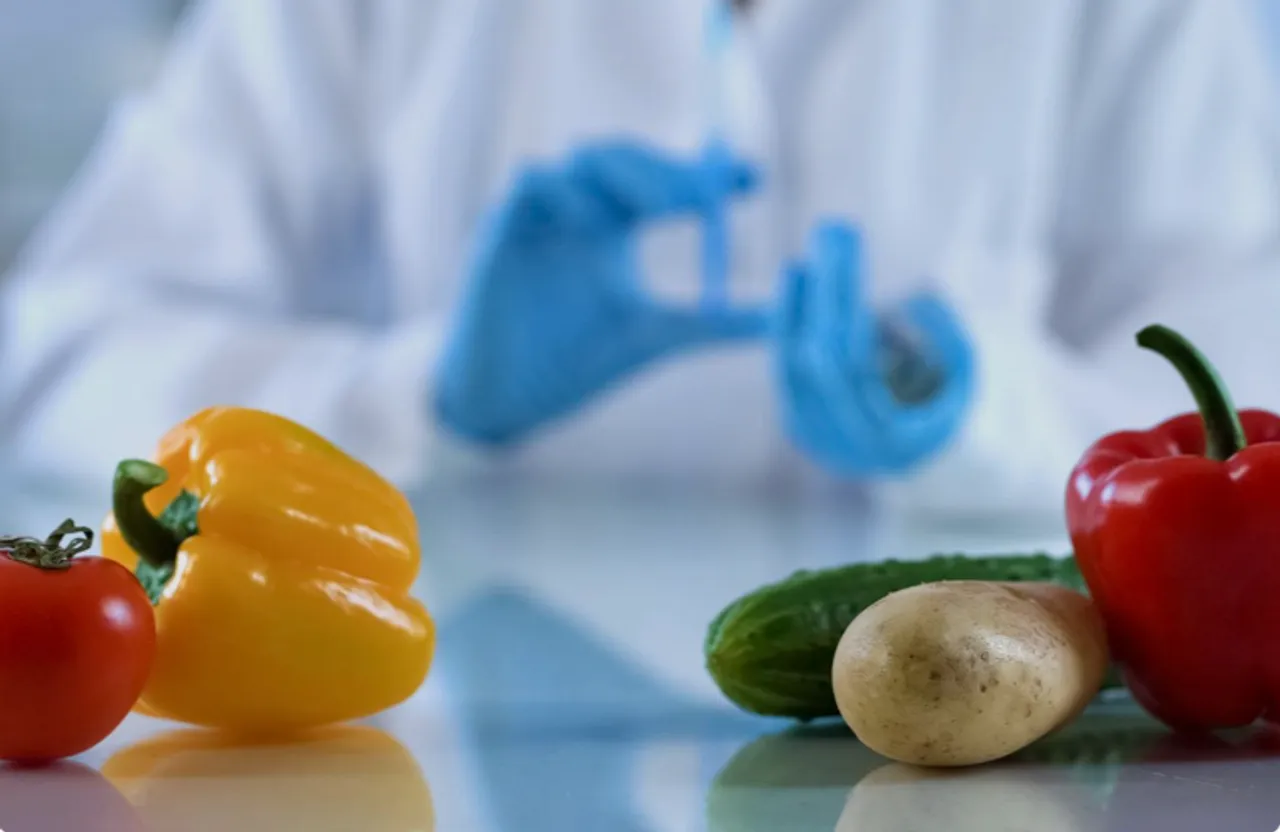
Poisonous food
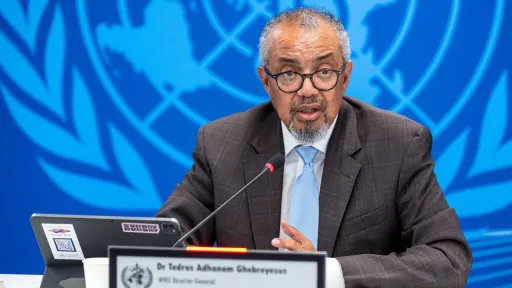
According to new estimates released by the World Health Organization (WHO), unsafe food causes a staggering 866 million illnesses and 1.5 million deaths annually.
While this is a global crisis, its weight falls heaviest on the most vulnerable: children under five. Despite making up just 9% of the world's population, young children bear nearly one-third of the global foodborne disease burden.
This is not merely a health issue; it is a crisis of equity, with the greatest impact on low- and middle-income countries, particularly in Africa and South-East Asia.
In Nigeria, the statistics are a national emergency. The Minister of State for Health, Dr. Iziaq Adekunle Salako, recently revealed that the country records nearly 50 million foodborne illnesses and more than 53,000 deaths each year.
The human cost is devastating, but the future is being stolen as well. These illnesses and deaths result in a staggering 4.26 million years of healthy life lost with children under five accounting for more than 80% of the burden.
For families like Grace's, the threat is not just biological.
The WHO estimates that while biological hazards like bacteria and viruses cause most illnesses, a disproportionate share of deaths—73% in 2021—are attributed to chemical hazards.
Inorganic arsenic (42%) and lead (31%) are the primary culprits, linked to heart disease, cancers, and, most tragically, lifelong neurological damage in children. Once these metals enter the food chain—often from environmental contamination—they are nearly impossible to remove.







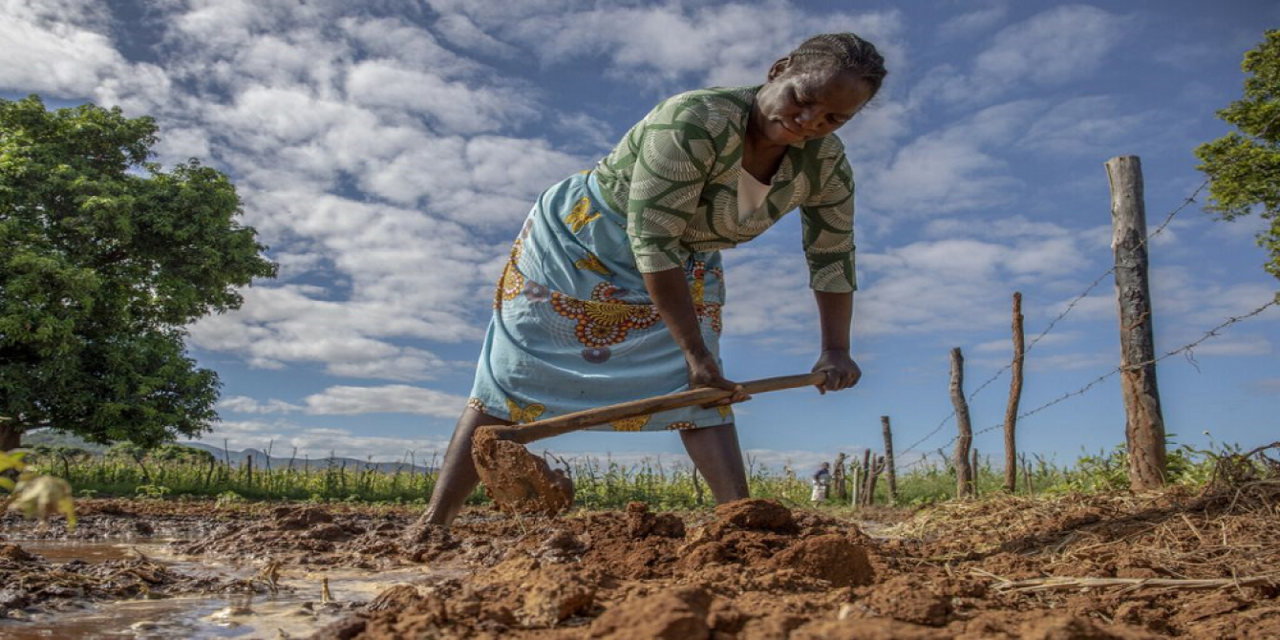
“This is a constant fear for us,” explains Eunice, a mother of three in western Kenya, where small-scale farming is a way of life.
“We see the warnings, but we don't know where the poison is. We are afraid to buy certain grains or vegetables from the market because you hear they have chemicals that can make your child sick and affect their brains. But we have to eat. We have no choice.”
Eunice, who has watched several children in her village suffer from unexplained developmental delays, speaks of a fear that is now a daily reality for many across the region. The invisible threat of contaminants like methylmercury, which can harm the developing brain, is a spectre that haunts every meal.
‘One Health’ solution
The WHO's new analysis, covering 42 foodborne hazards across 194 countries from 2000 to 2021, is a roadmap for action. It shows that the overall global burden has declined since 2000, proving that progress is possible. However, major regional inequalities persist, with the African and South-East Asian regions accounting for nearly three-quarters of all foodborne illnesses and 60% of global deaths.
The solution lies in a "One Health" approach—integrating human, animal, plant, and environmental health—to tackle contamination at its source. This requires urgent investment in water, sanitation, hygiene, food safety practices like pasteurization, and better access to healthcare for vulnerable populations.
For Grace, whose daughter Favour is recovering but still weak, the message is clear.
"We need help," she says, her voice firm despite her exhaustion. "We need clean water. We need to know how to keep our food safe. We cannot do this alone. Our children's lives depend on it."
Her final words are a powerful testament to the human cost behind the numbers.
"Every day, a mother somewhere is watching her child suffer from something we could prevent. It's not just about food. It's about our future.
This scene of desperation plays out millions of times a year across the African continent.