 Pauline Odhiambo
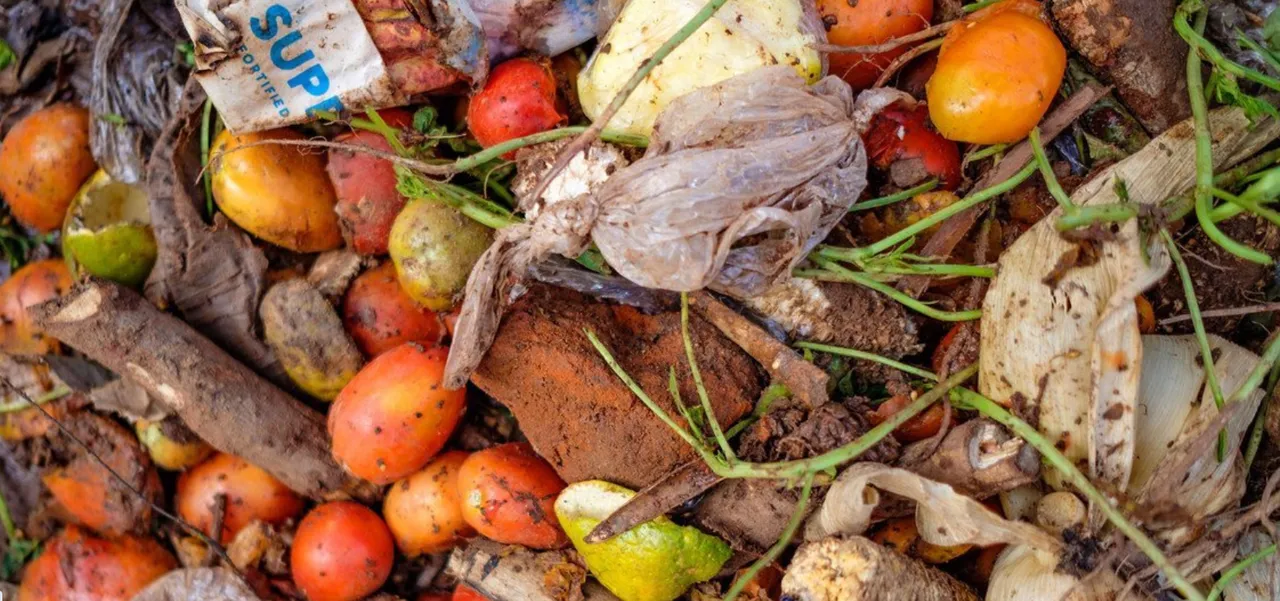
In a bustling market on the outskirts of Nairobi, Kenya, the midday sun beats down on mountains of discarded kale, bruised tomatoes, and unsold mangoes. For Wanjiku Mwangi, a 54-year-old mother of five, this is both a lifeline and a source of quiet dread.
For years, she has come here to salvage food for her family, filling a worn sack with the produce that vendors have deemed unfit for sale.
“It is what allows us to eat,” she tells TRT Afrika, deftly pulling a few good leaves from a rotting pile of sukuma wiki (kale). But lately, her youngest son has been battling infections that the clinic antibiotics can no longer seem to cure.
“The medicine that worked for his older brother does nothing for him now. The doctor used a big word—resistance. I cannot help but wonder if it is connected to the food we eat. We have no choice but to eat what is thrown away.”
What Wanjiku sees as a personal tragedy, scientists at the Food and Agriculture Organization of the United Nations (FAO) are beginning to understand as a global public health threat.
The food that ends up in her sack, and the millions of tons like it discarded globally, is not just organic matter rotting in the sun. It is a biological reservoir, a petri dish for one of the most pressing health crises of our time: antimicrobial resistance (AMR).
‘Toxic’ food
According to a new scientific review paper published in Infectious Diseases of Poverty, the cycle of food loss and waste (FLW) is quietly accelerating the evolution of "superbugs"—pathogens that no longer respond to the drugs designed to kill them.
The paper, led by FAO experts including Junxia Song, the Chief of the One Health and Disease Control Branch, argues that FLW must be treated not just as an agricultural or environmental issue, but as a critical component of AMR surveillance.
“Linking food loss and waste to AMR is both timely and strategic,” said Junxia. “It creates an opportunity for coordinated action that reduces waste while strengthening global efforts to contain AMR.”
The connection lies in the science of decay. Food waste, rich in nutrients and moisture, is a perfect breeding ground for bacteria. When that waste comes from animal products—meat, dairy, and especially fish—it often harbors residues of the antibiotics used in agriculture, along with the genes that make bacteria resistant to them.
When this waste is dumped in landfills or, as in Wanjiku’s neighborhood, in open pits, it creates a toxic cocktail.
Public health hazard
The FAO paper warns that these dumpsites become mixing bowls for biological and chemical hazards. Rainwater leaches through the garbage, carrying resistant genes and bacteria into groundwater and soil. Scavenging animals, from rats to migrating birds, pick through the refuse and spread these superbugs across the landscape, far beyond the edges of the dump.
But even well-intentioned solutions are fraught with risk. In wealthier nations, food waste is often channeled into composting or anaerobic digestion to create energy or fertilizer. However, the FAO review found that if composting is not done properly—if temperatures aren't high enough to kill the pathogens—it can actually increase the prevalence of resistance genes, turning "green" practices into public health hazards.








This threat is not confined to the dumps of Nairobi.
More than 4,000 kilometers away, in a small fishing village on the coast of Ghana, the problem looks different but is fundamentally the same.
Kofi Acheampong is a fisherman who has watched his livelihood change over the past decade. To meet demand and prevent his catch from spoiling before reaching market, he has seen colleagues turn to preserving fish with ice made from untreated water and, anecdotally, even soaking catches in formalin—a practice born of desperation to prevent waste.
“The waste happens at every step,” Kofi explains, standing by his wooden boat. “If the fish doesn’t sell, it rots. We throw it back near the shore. The children play there; the tide takes it out and brings it back.” He pauses, thinking of the community’s health.
Medicines losing power
“We know the medicines are losing their power. We see it in the children with constant sickness. We are fighting the sea to make a living, but maybe we are poisoning the sea that feeds us.”
His fear is backed by data. The FAO paper notes that fish waste samples show a particularly high magnitude and diversity of resistance genes, making rapid collection and control of such waste critical.

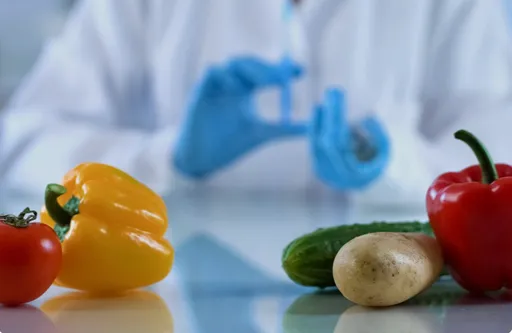
The agricultural sector is the primary driver of this crisis, accounting for nearly three-quarters of global antibiotic sales. These drugs, used to prevent disease and promote growth in crowded animal operations, leave their mark on the food. Resistant genes have been found not just in meat, but surprisingly in plant foods like carrots, lettuce, and tomatoes, likely contaminated by manure-based fertilizers or irrigated with tainted water.
Thanawat Tiensin, FAO Assistant Director-General and Chief Veterinarian, emphasizes that the solution requires a universal approach.
“Food is everyone’s business, and safeguarding its safety is a shared responsibility. Reducing the spread of AMR through food loss and waste demands coordinated action across every sector,” Tiensin states.
Surviving food waste
That coordination is the goal of FAO’s broader initiatives, like the RENOFARM program, which aims to reduce the need for antimicrobials in the first place, and the InFARM system, designed to collect and synthesize data on these risks at a country level.
The new review paper stresses an urgent need for more data, particularly from low and middle-income countries like Kenya and Ghana, where antimicrobial use is less regulated and is projected to rise.
Back in the Nairobi market, Wanjiku Mwangi fills her sack, unaware of the global scientific consensus forming around the rot in front of her. For her, the issue is not academic. It is the taste of food that keeps her family alive, and the fear that the same food is, slowly, making the medicine that saves them useless.
“We are trapped between hunger and sickness,” she says, tying the sack closed. “The world talks about wasting less food. We talk about surviving the food that is wasted.”
.