Clarity usually comes with hindsight. Such has been the case with the issue of reparations and huge geopolitical shifts in 2025, and the broader question of what African agency looks like in such a challenging time.
For 2025, the African Union (AU) adopted the theme “Justice for Africans and People of African Descent through Reparations.” Then in July that year, the AU strengthened this commitment by declaring 2026–2036 the Decade of Reparations. But what does this mean?
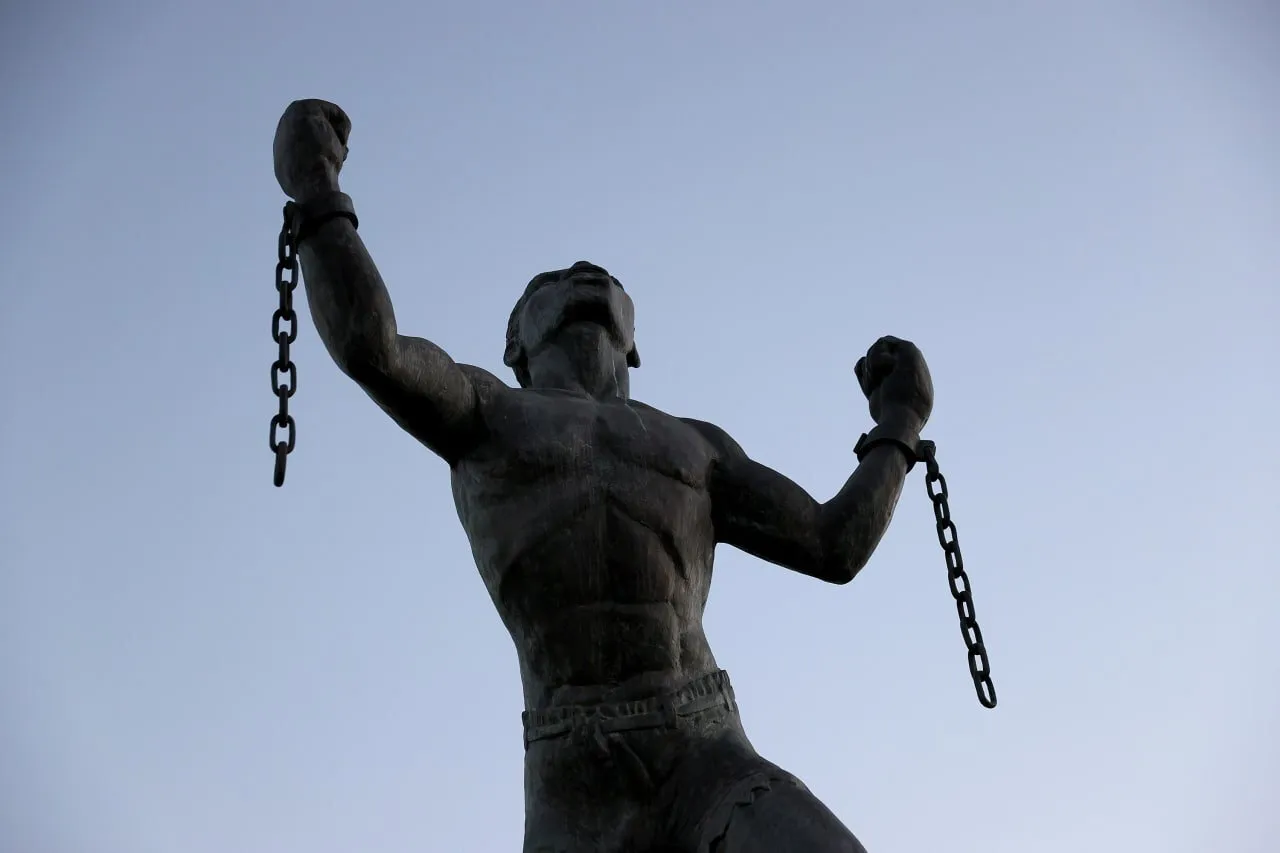
Reparations, broadly defined, and cleverly expressed in “the Big Payback” encompass apologies, payments, repairing, healing and restoration for systemic injustices. True reparatory justice requires a shift in power – not charity but serious economic and political reform.
The inadequacy of the current multilateral system – and therefore the need to examine and shift it through a reparatory lens – underscores this need in at least three areas.
First, there is the international financial system. Bretton Woods Institutions (World Bank and IMF) were created in 1945 and had only four African members – Ethiopia, Liberia, South Africa and Egypt.
Financing gap
Designed for a post-war world, they are no longer fit-for-purpose in the 21st century. Their systems, particularly debt sustainability analysis, perpetuate risk perceptions later reflected in supposedly “objective” markets like credit ratings, insurance, and bond issuance.
Moreover, Africa’s annual infrastructure financing needs stand at between US$130–170 billion, yet these institutions have failed to bridge the gap, despite African countries approaching the IMF and World Bank a combined 7,596 times since 1945.
Aid has often been delivered through a paternalistic lens, reinforcing dependence on imported goods, externally imposed leadership, and unfavourable reforms.
Additionally, the Special Drawing Rights (SDRs) allocation was determined without African countries, further entrenching inequality and because SDRs are distributed by quotas, wealthier nations automatically receive more.
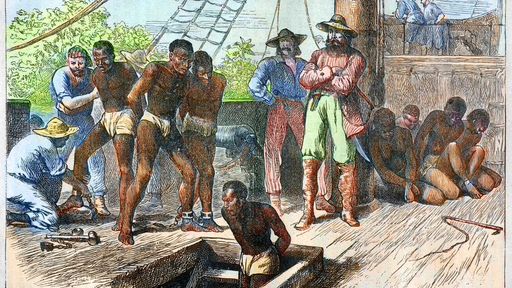
Second, trade rules. The World Trade Organization (WTO) was built around high-income economies, leaving Africa trapped in low-value exports alongside consumption of manufactured goods from abroad.
Restrictive trade continues to block Africa’s fair participation and without meaningful reform, the risk of permanent exclusion from global trade remains.
Third, Africa’s exclusion from the UN Security Council dates back to 1945 and today it still lacks a permanent seat despite being the subject of over 70% of Council resolutions.
Ezulwini Consensus
To tackle this, the AU adopted the Ezulwini Consensus in 2005, demanding at least two permanent seats with veto power and five non‑permanent seats.
While veto holders have expressed support for permanent African representation, their backing often excludes veto rights. With this background, how should African leaders and citizens address reparations?
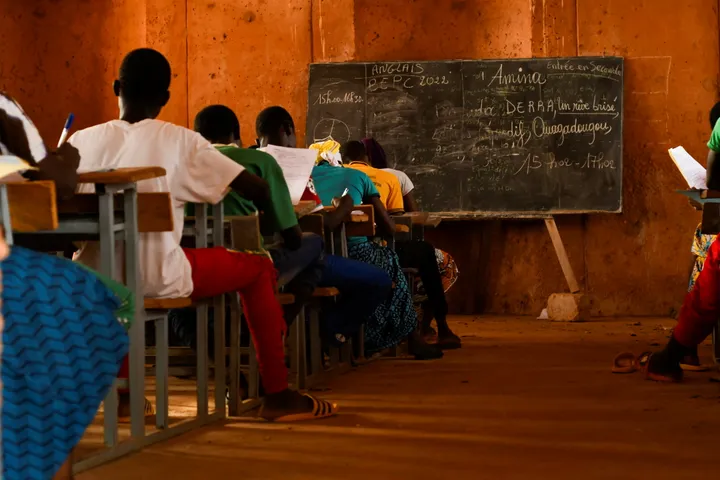




The 2023 Accra Reparations Conference created a Committee of Experts and a Legal Reference Group under Ghana’s former President John Mahama.
Their mandate is to quantify the economic damage of past injustices, providing a legally defensible framework for claims.
A recent report outlined possible financing mechanisms, with a Financial Transaction Tax (levy on trading assets) emerging as most viable - though alternatives like long‑term government repayments should also be pursued.
If reparations are to be deemed as successful, it is not enough to seek financial reparations. African nations must assert agency in order to shift the multilateral order.
As such, the AU has established a Common African Position on Reparations, calling for financial restitution, educational equality, cultural restoration, and a more equal global order.
Current global trends reinforce the urgency of the broader reparatory agenda. The resurgence of “America First” protectionism and sweeping tariffs signal that North American and European countries are turning inward.
Practical actions
First, leaders, policy-makers, and private sector actors must assess whether policy-making decisions involving foreign partners strengthen or undermine sovereignty. This is the fundamental test.
While some leaders are doing this, such as Zimbabwe turning down a US$376 million U.S Health deal citing concerns over sovereignty, this needs to move from few cases to become common practice.
Second, these actors must consistently raise demands - if you don’t ask, you don’t get. Examples from south‑south cooperation help. China, for instance, became the first non‑African G20 member to recognise the AfCFTA through its duty‑free scheme.
This vital benchmark discards outdated Bretton Woods income categories, respects African economic unity, and offers a blueprint for sovereignty‑aligned cooperation. It sets the pace for other regions to follow.
Finally, these actors must coordinate, sometimes via platforms like an African borrower’s club. By securing joint external loans and leveraging mutual growth as collateral, members can exchange ideas to maximize their collective benefits and optimize their standing within the global financial system.
Reparations are not charity – they are about financial transfers and the correction of power. They require dismantling systems that continually penalise Africa.
With the declaration of the Decade of Reparations, African leaders are saying that reparatory justice will become a permanent fixture of our diplomacy.
To see this vision become a reality, we all need to make sure that declarations translate into our practical work and that the three above-mentioned actions – benchmarking, demanding, and coordinating become practice.
The author, Simba Bvundura, is a Communications Intern at Development Reimagined
Disclaimer: The views expressed by the author do not necessarily reflect the opinions, viewpoints and editorial policies of TRT Afrika.