 Sylvia Chebet
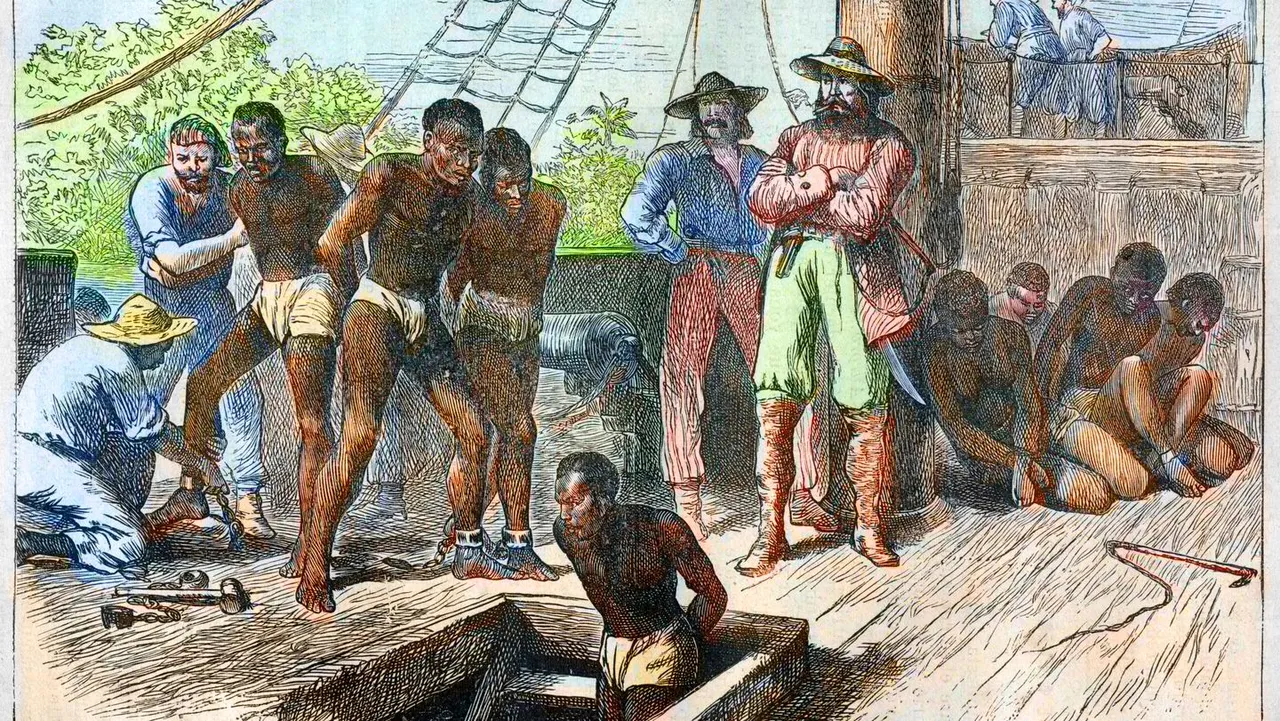
At least 12.5 million Africans were abducted and sold into slavery by European merchants between the 15th and 19th centuries. The European powers that carved up the continent afterwards dismantled indigenous governance, extracted wealth at industrial scale and redrew borders with no regard for the people living within them.
At its 39th summit in Addis Ababa from February 11 to 15, the African Union gave the travesty that took place during those centuries a legal name: genocide.

The decision goes beyond the symbolism usually attached to such resolutions. "It represents an institutional acknowledgment that these systems were not isolated episodes of exploitation, but structured projects of dehumanisation, dispossession and systematic destruction of African societies," author-scholar Therence Atabong Njuafac, who specialises in international relations and political science, tells TRT Afrika.
Atabong views the resolution as an epistemic correction, challenging narratives that framed colonial violence as a civilising mission and centring African historical experience within the global justice discourse.
Macharia Munene, professor of political science at the University of Nairobi, believes the resolution makes Africa's collective position on centuries of transatlantic slave trade and colonialism unambiguous. "As a representative of the continent, the AU can demand reparation from the slave dealers and the colonialists," he tells TRT Afrika.
Moral imperative
President John Dramani Mahama of Ghana, who tabled the resolution, called its adoption a momentous occasion people of African descent had long been waiting for. "Truth cannot be buried. The legal foundations are sound; the moral imperative is undeniable," he declared at the summit.
Mahama framed confronting historical truths as an act of moral courage rather than division, noting that the effects of slavery persist today in structural inequality, racial discrimination and economic imbalances. "The first step towards healing is truth. The truth about the story of the transatlantic slave trade must be told," he said, describing the resolution as the first step.
By classifying slavery and colonialism as genocidal crimes, the AU reframes them within contemporary international legal and moral standards.
Atabong argues that collective recognition of historical trauma validates the lived experiences of African and diasporic communities.



"It affirms that the economic underdevelopment, political instability, and racial inequalities visible today are not accidental. They are historically produced," he tells TRT Afrika.
Question of reparations
When a continental body of 55 member states speaks in one voice, it shifts the tone of global conversations about historical responsibility and structural inequality.
Britain's King Charles has spoken of his regret over slavery and backed research into the British monarchy's historical links to the trade. Britain was responsible for transporting an estimated 3.2 million people as slaves, making it the second most active European nation in the trade after Portugal, which enslaved nearly six million.
Commonwealth secretary-general Shirley Botchwey, a former foreign minister of Ghana who has publicly backed reparations from Britain, is supporting member countries in seeking redress. "My understanding is that there's some movement in terms of having parties around the table to decide on the way forward, including different forms of reparations and how to go ahead with these," Reuters quoted her as saying.
For reparatory justice to become a reality, Munene suggests that African countries should establish a dedicated body of lobbyists to orchestrate the campaign.
Atabong proposes that African nations commission a high-level panel of jurists and historians "to develop a comprehensive legal and evidentiary framework documenting the genocidal dimensions of slavery and colonial rule".

The continent also needs to build a diplomatic coalition with Caribbean states, Latin American countries and diaspora communities whose histories are directly linked to the erstwhile transatlantic slave system. A coordinated Global South platform, analysts reckon, would carry greater influence in international negotiations.
The new AU resolution mentions that November 30 will be commemorated as a Day of Tribute, honouring the victims of historical injustices.
In real terms, impact will depend on follow-through. Atabong warns that the resolution risks remaining symbolic without public awareness and a coordinated diplomatic strategy for implementation.